Human-wildlife conflict: Parliamentary panel backs AI, drones and GIS for mitigation
Aug 05, 2026
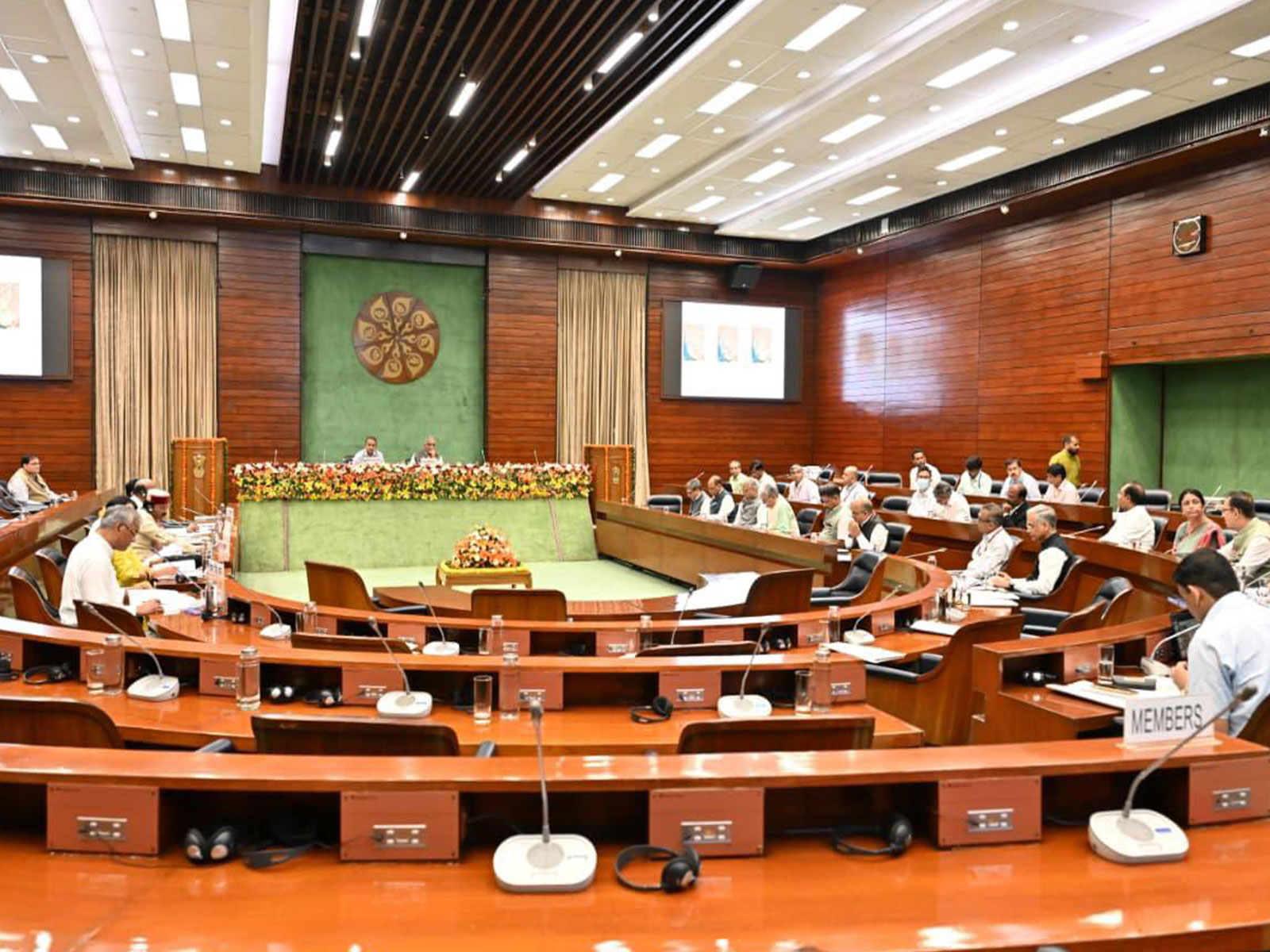
New Delhi (India), August 5 : The Parliamentary Consultative Committee of the Ministry of Environment, Forest and Climate Change (MoEFCC) on Wednesday discussed the use of modern technologies, including Geographic Information Systems (GIS), artificial intelligence (AI), drones, radio telemetry and predictive analytics, to strengthen the country's response to human-wildlife conflict, as the Centre looks to adopt more technology-driven approaches to reduce increasing encounters between people and wildlife.
The meeting, chaired by Union Environment Minister Bhupender Yadav, focused on measures to strengthen prevention, mitigation and long-term coexistence between humans and wildlife. Members of Parliament, senior ministry officials, Principal Chief Conservators of Forests (PCCFs) and Chief Wildlife Wardens from participating states attended the deliberations.
According to the Ministry, the discussions underscored that patterns of human-wildlife conflict vary across landscapes, requiring species- and region-specific interventions. While elephant-related conflict remains the dominant challenge in several states, others continue to grapple with incidents involving tigers, leopards, bears, rhinoceroses, wild boars, gaurs and primates.
Members stressed the need for an integrated strategy combining technology, ecological conservation and community participation. Besides deliberating on the deployment of GIS-based mapping, AI-enabled surveillance, drones, radio telemetry and predictive analytics, the committee emphasised strengthening frontline forest staff, improving compensation mechanisms, expanding public awareness and increasing community involvement in conservation efforts.
The committee was also informed about the establishment of the Centre of Excellence on Human-Wildlife Conflict (CoE-HWC) at SACON's WII South Centre in Coimbatore, announced by Prime Minister Narendra Modi during the seventh meeting of the National Board for Wildlife. The Centre has been conceived as a national institution for research, technological innovation, policy support and capacity building in managing human-wildlife conflict.
Members also took note of the National Human-Wildlife Conflict Portal, launched on July 10 this year, which aims to serve as a common digital platform for recording conflict incidents, managing data and supporting decision-making. The Ministry further informed the committee that the Regional Action Plan on Elephant Conservation for South India has been approved.
Presentations by Assam, Karnataka, Kerala, Madhya Pradesh, Uttarakhand and Uttar Pradesh highlighted state-specific approaches to conflict mitigation. These included AI-enabled surveillance systems, integrated command-and-control centres, rapid response teams, GPS tracking, early warning systems, digital compensation platforms, bio-fencing, volunteer networks and wildlife corridor restoration.
Karnataka proposed the creation of a National Human-Wildlife Conflict Mission and advocated common standard operating procedures and stronger inter-state coordination for managing transboundary elephant populations. Kerala highlighted its decision to notify human-wildlife conflict as a state-specific disaster and its community-based volunteer initiatives, while Madhya Pradesh showcased its "Prevention First" model combining AI surveillance, drones, GPS tracking and community participation. Uttarakhand outlined its integrated landscape approach backed by a 24x7 wildlife helpline and technology-enabled monitoring, while Uttar Pradesh said leopard-related incidents account for the majority of conflict cases in the state, particularly in the Terai Arc Landscape. Assam presented its landscape-based strategy for mitigating conflicts involving elephants, tigers, leopards, rhinoceroses and wild buffalo.
Addressing the meeting, Yadav said human-wildlife conflict must be addressed through a balanced approach that combines scientific management, institutional coordination, technology-enabled monitoring and active participation of local communities. He said the newly established Centre of Excellence and the National Human-Wildlife Conflict Portal would help states adopt data-driven strategies and facilitate knowledge-sharing on best practices.
Minister of State for Environment Kirti Vardhan Singh suggested that habitat-based scientific studies be undertaken to assess the carrying capacity of ecosystems, saying this would help in planning resource augmentation and improving strategies for managing human-wildlife conflict.