Hyundai unveils AI chips for robots at CES Foundry 2026
Jan 09, 2026
Las Vegas [US], January 9 : Hyundai Motor Group unveiled an on-device artificial intelligence chip as part of another major AI push, aiming to enable robots to perceive, decide and act autonomously in real-world environments, according to a report by the Korea Herald.
At CES Foundry 2026 in Las Vegas--a newly launched CES programme focused on next-generation technologies--the automaker said it has completed development and preparation for mass production of a low-power AI semiconductor in collaboration with Korea's DeepX, as it deepens ties with US tech giants Nvidia and Qualcomm.
Developed over three years, the chip is optimised for on-device AI, enabling robots to process data, interpret their surroundings and make real-time decisions, the news report read.
Operating at under 5 watts, it is designed to perform reliably in environments with limited or unstable network connectivity, including underground parking facilities, logistics centres and industrial sites.
Unlike cloud-based AI systems, the on-device approach offers faster response times and stronger data security, Hyundai said, making it critical for robots operating in public and safety-sensitive environments, as per the Korea Herald report.
"To realise physical AI, our vision is the robotisation of space," said Hyun Dong-jin, executive vice president and head of the Robotics Lab at Hyundai Motor Co. and Kia, speaking at CES Foundry. "We are developing AI and software that enable robots to operate as autonomous agents in real-world environments."
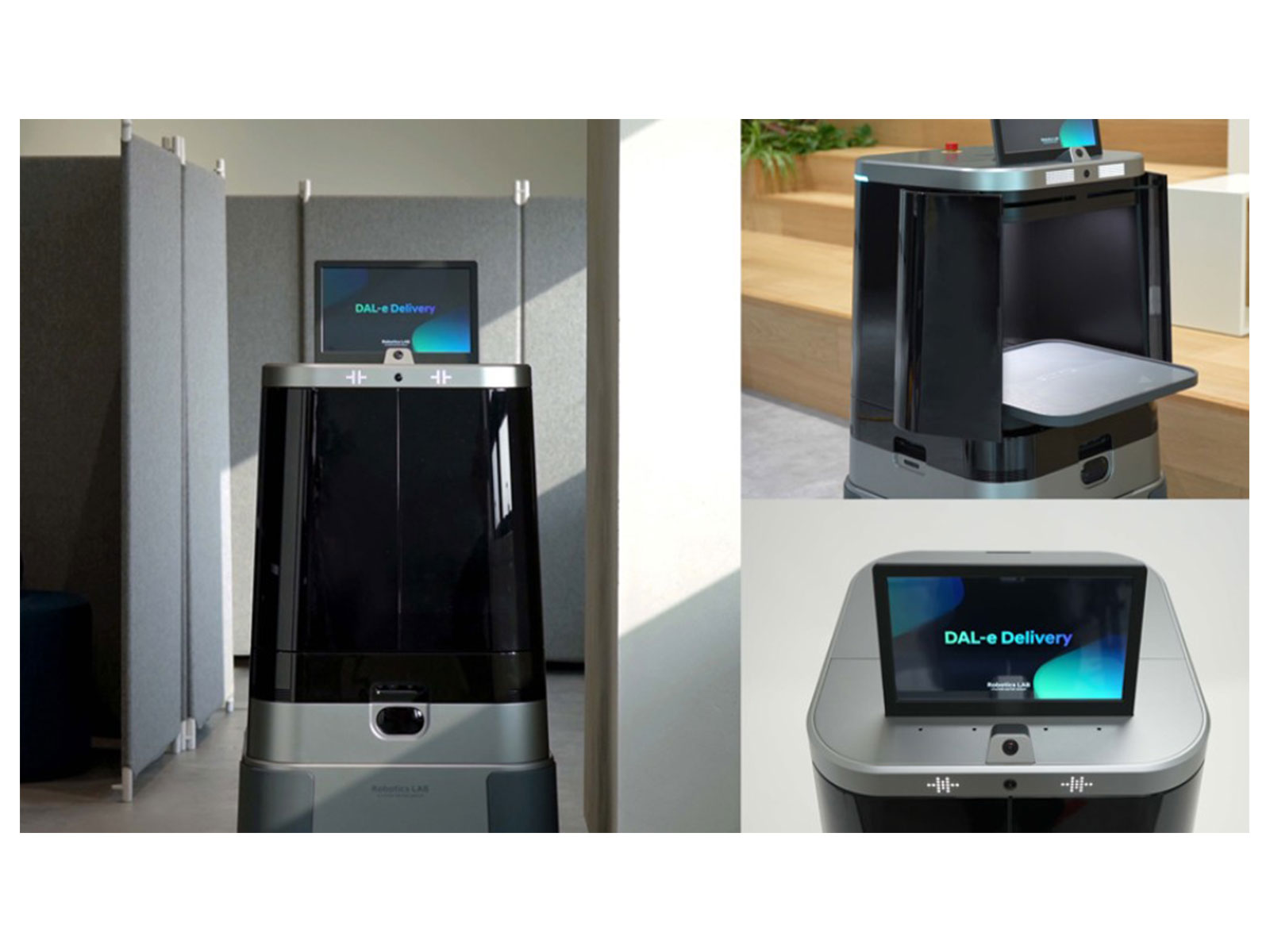
Hyundai said its AI controller, powered by the new chip, has been undergoing field tests since June 2024 at Factorial Seongsu in eastern Seoul, where it has been deployed in Facey facial-recognition robots and DAL-e Delivery autonomous delivery robots.
The pilot programmes were designed to test performance, stability and service quality under everyday operating conditions.
Building on those trials, Hyundai plans to begin installing the chip in mass-produced robots this year, expanding deployment to hospitals, hotels and other commercial settings as part of a broader robotics total solution strategy, the news report noted.
The partnership reflects a deliberate effort by Hyundai to balance performance, cost efficiency and supply-chain resilience by combining its in-house AI and software expertise with DeepX's semiconductor technology. Securing early access to such AI chips is also expected to enhance the group's flexibility in scaling robot production -- 30,000 units of annual capacity by 2030.
Hyundai said the move is part of its response to mounting societal challenges -- including labour shortages, ageing populations and industrial safety concerns -- that require robots capable of operating reliably in real-world environments, not just controlled digital settings.
Leveraging decades of experience in automotive mass production, the carmaker said it is building a robotics supply ecosystem, including closer cooperation with domestic battery makers, to ensure reliability, scalability and cost efficiency.
"Our goal is not simply to build robots," Hyun said. "It is to create a sustainable robotics ecosystem -- delivering low-power, efficient and intelligent robots that generate real value for users at the final point of the physical AI pipeline."
Hyundai's broader robotics momentum was underscored earlier this week when its next-generation mobility robot platform, Mobile Eccentric Droid, or MobED, won best of innovation honours in the robotics category at CES 2026, further cementing the group's growing footprint in AI-driven robotics, the news report added.