"I could take out Iran in one day": Trump issues stern warning to Tehran after Islamabad talks stall
Apr 12, 2026
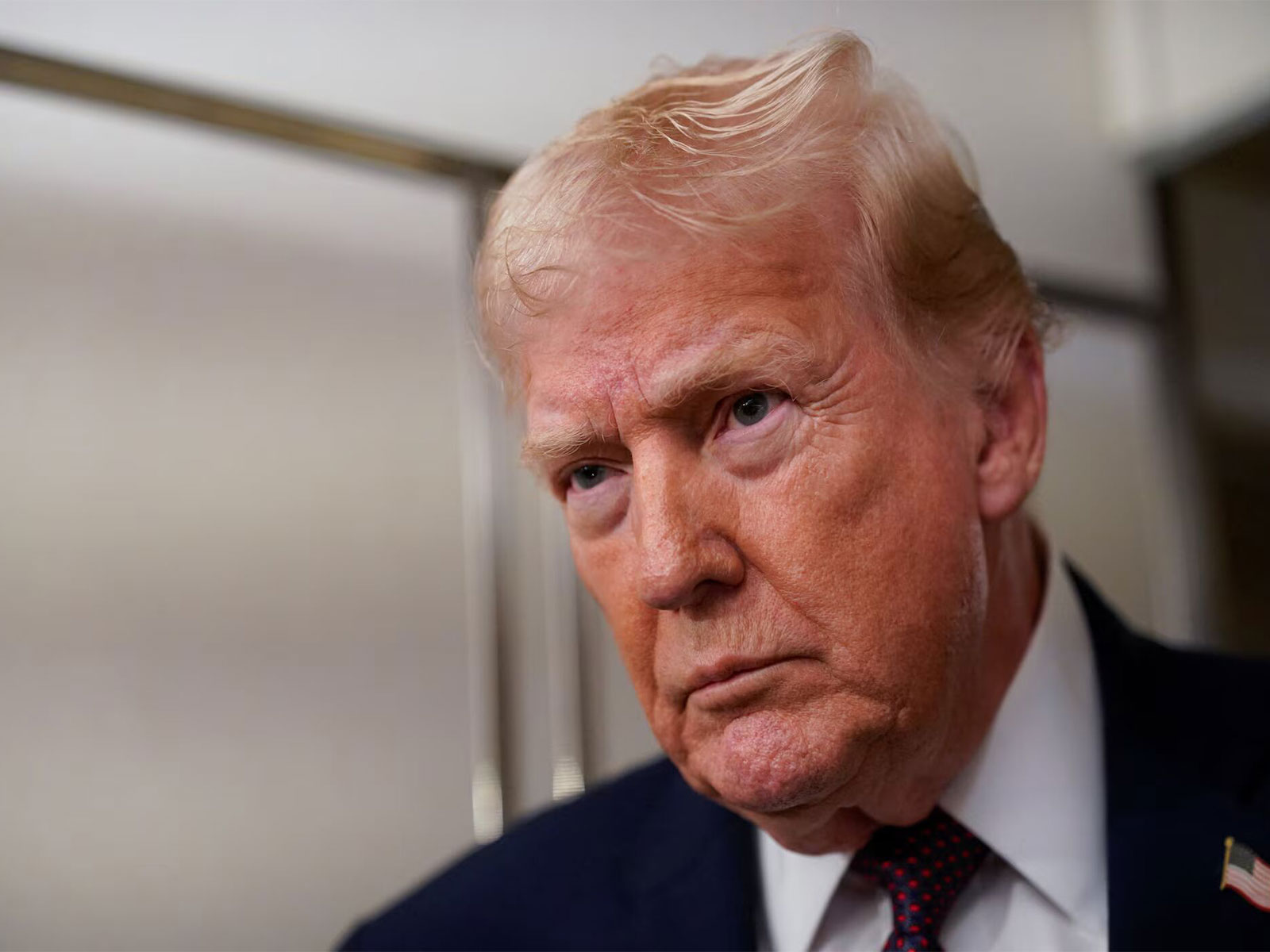
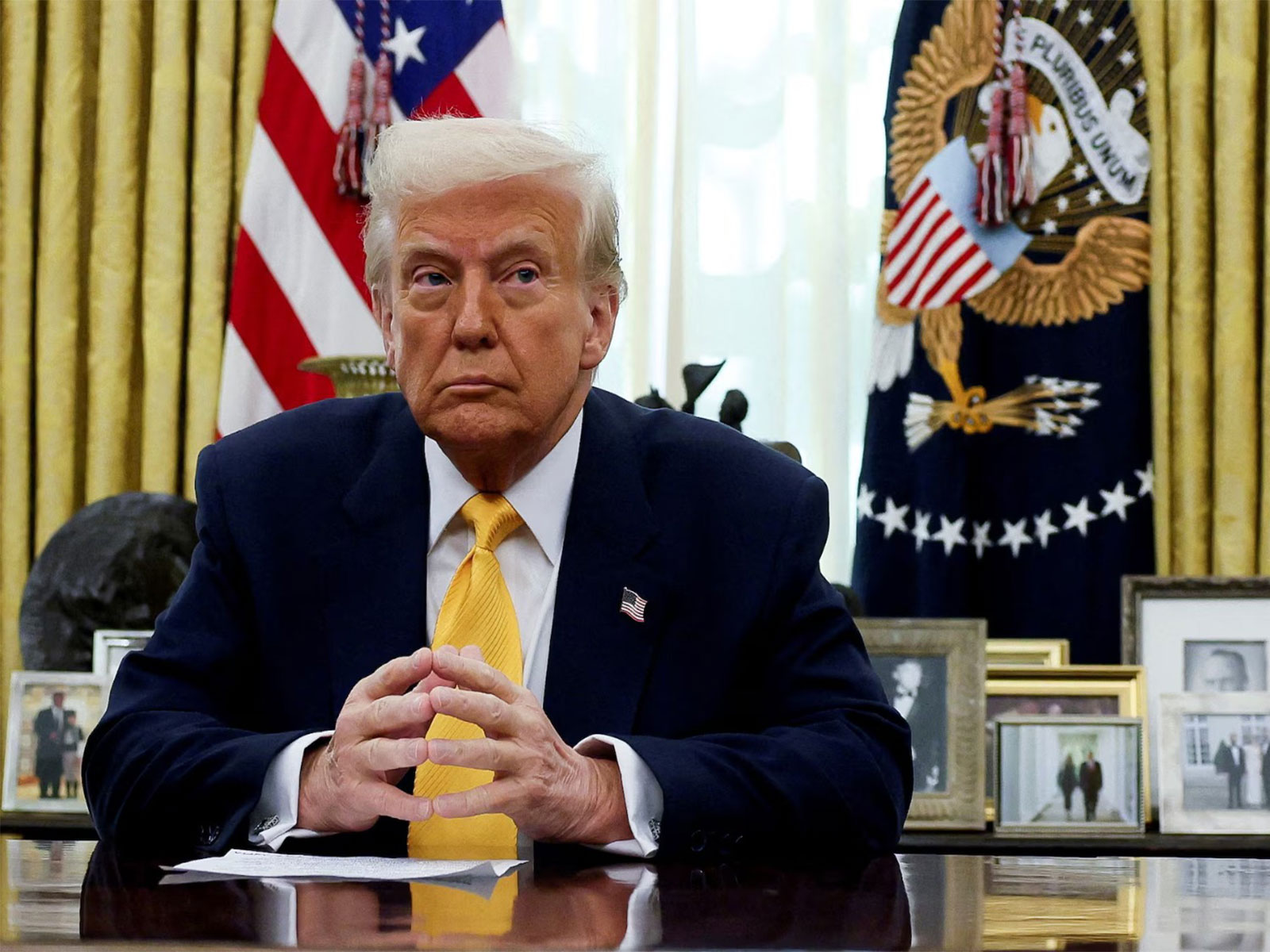
Washington, DC [US], April 12 : US President Donald Trump on Sunday expressed confidence that Tehran would eventually concede to American demands, while simultaneously issuing a stern warning regarding the potential for total military devastation.
Speaking to Fox News, the President suggested that Iran's return to the bargaining table is inevitable. "I predict they come back and they give us everything we want," Trump said.
Emphasising the perceived lack of leverage on the part of the Iranian leadership, he added, "I want everything... They have no cards."
The President also stood by his recent provocative rhetoric, including a threat made last week that a "whole civilization will die tonight, never to be brought back again."
He argued that such hardline messaging was the primary catalyst for the recent diplomatic engagement. "When I say about a civilization, it really has changed. It really has. But think of it. They're allowed to say, 'Death to America. Death to this,'" Trump told Fox News.
"And I make one statement. They say, 'Oh, such a big deal.' That statement got them to the bargaining table, and they haven't left it."
The President's remarks follow the recent conclusion of marathon negotiations in Islamabad, which ended without a formal agreement.
Trump intensified his warnings during the interview, echoing previous threats to target the core of Iran's national infrastructure. "I could take out Iran in one day," the President asserted.
Detailing the scope of potential military action, he warned of a rapid and irreversible strike against the country's power and logistical networks.
"In one hour, I could have their entire energy, everything, every one of their plants, their electric generating plants, which is a big deal. And I hate to do it, because if I do it, it takes you 10 years to rebuild. They'll never be able to rebuild it. And the other thing you take out are the bridges," he remarked.
This escalatory rhetoric from Washington comes in the immediate wake of a grueling 21-hour diplomatic session in Pakistan.
Following the marathon talks, US Vice President JD Vance departed for the United States as the stalemate persists between the two parties.
The Vice President left shortly after speaking to reporters in the early hours of Sunday, noting that this deadlock has pushed peace efforts significantly back in the first round of negotiations.
Confirming the lack of progress, Vance stated that no agreement had been reached, characterising the development as "bad news for Iran" more than for the United States.
"We've had a number of substance agreements with the Iranians--that is the good news. The bad news is that we have not reached an agreement. That is bad news for Iran, much more than it is bad news for the United States of America. We go back to the United States having not come to an agreement," Vance said.
The Vice President underlined that while the US had clearly defined its "red lines" and areas of accommodation, Tehran "chose not to accept our terms."
Responding to the media, Vance reiterated that Washington had sought an affirmative commitment from Tehran not to seek nuclear weapons or the tools to achieve them, adding, "We just could not get to a situation where the Iranians were willing to accept our terms."
Despite being "very flexible and accommodating," Vance noted that the talks could not make headway.
He revealed that Washington has left behind a "final and best offer" for the Iranian leadership to consider.
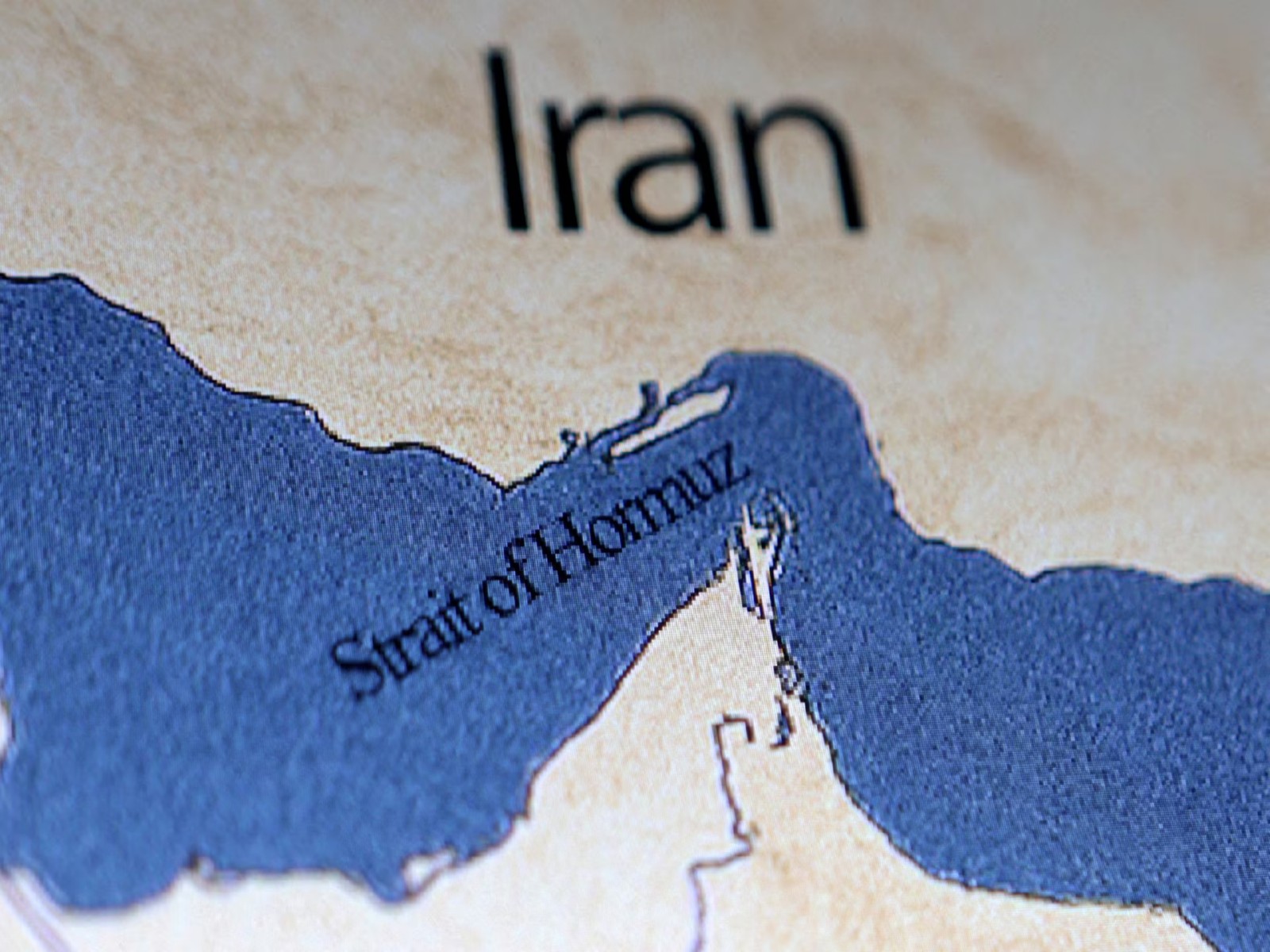
Meanwhile, Iranian state broadcaster Press TV reported that the dialogue ended because "excessive demands" by the US prevented a framework from being reached, citing nuclear rights and the Strait of Hormuz as the primary points of contention.