ICEA seeks duty cuts, operational reforms in Union Budget 2026 to boost electronics manufacturing
Jan 19, 2026
New Delhi [India], January 19 : The India Cellular and Electronics Association (ICEA) has submitted a comprehensive set of recommendations to the government for the Union Budget 2026-27, calling for rationalisation of customs duties, removal of inverted duty structures, and operational reforms to strengthen India's electronics manufacturing ecosystem.
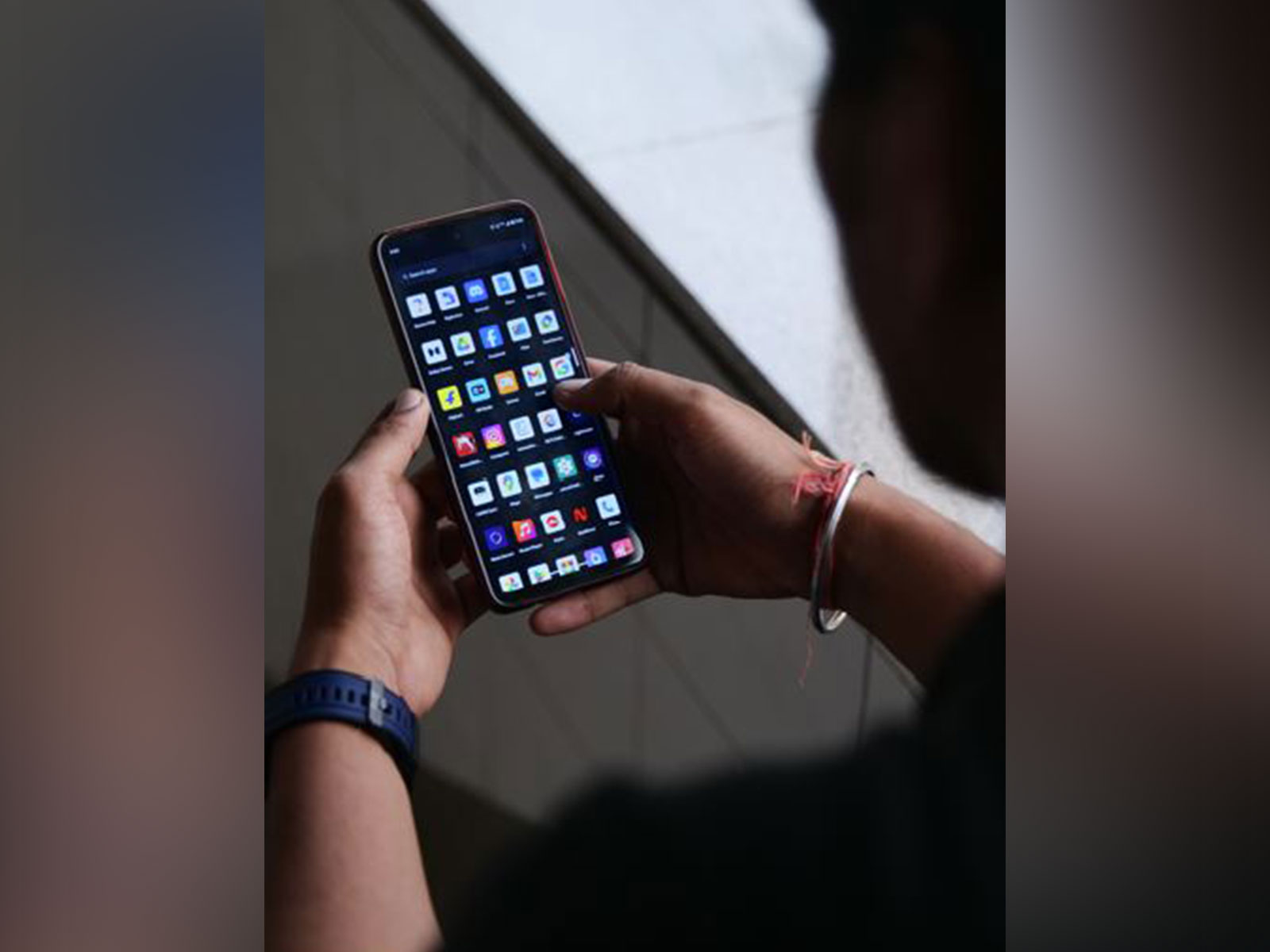
In its proposal, ICEA has urged the government to reduce the Basic Customs Duty (BCD) on key mobile phone sub-assemblies such as microphones, receivers, speakers, and printed circuit board assemblies (PCBAs) from 15% to 10%.
According to the association, although these components account for a small share of the bill of materials, higher duties increase overall production costs and reduce India's global competitiveness. Aligning duties with other sub-assemblies would support scale, discourage arbitrage, and encourage greater local value addition.
The industry body has also sought a reduction in duties on finished hearables and wearables from 20% to 15%, along with a cut in duties on their mechanical parts from 15% to 10%.
ICEA said such rationalisation would bring consistency across electronics segments, lower manufacturing costs, and improve investment stability in the fast-growing wearables market.
A major concern highlighted in the submission is the prevalence of inverted duty structures, particularly in display assemblies used in automobiles, medical devices, and industrial electronics.
ICEA has recommended a calibrated tariff regime with a 15% duty on finished display assemblies and zero duty on inputs and sub-parts, similar to the structure applied to mobile phones and televisions.
This, the association said, would promote domestic assembly and backward integration under the Electronics Components and Manufacturing Scheme (ECMS).
The recommendations also call for correcting inverted duties on inductor coils used for wireless charging in smartphones, proposing nil duty on parts and inputs to encourage domestic manufacturing of these critical components.
In addition, ICEA has sought zero-duty treatment for parts and sub-assemblies used in manufacturing capital equipment for mobile phones, warning that the current framework incentivises imports of fully built machines over local production.
On classification issues, ICEA has urged the uniform classification of all display assemblies under HSN 8524, irrespective of end use; clarification on the classification of bridge diode rectifiers under HSN 8541; and the creation of a separate tariff line for Interactive Flat Panel Displays (IFPDs).
These measures, it said, would reduce disputes, ensure global alignment, and provide policy certainty for manufacturers investing under 'Make in India' and 'Digital India' initiatives.
The association has also flagged several operational challenges faced by units operating under the Manufacturing and Other Operations in Warehouse Regulations (MOOWR).
Key suggestions include allowing depreciation on capital goods at the time of de-bonding, extending RoDTEP benefits to MOOWR units, removing interest demands inconsistent with existing law, and enabling smoother digital transfers between MOOWR facilities. ICEA has further recommended granting deemed AEO Tier-1 status to MOOWR units to speed up clearances and reduce compliance burdens.
Finally, ICEA has proposed fixing a uniform wastage norm of up to 2% for mobile phone and component manufacturing, citing international benchmarks and the technical realities of high-volume electronics production. The move, it said, would reduce compliance friction and improve ease of doing business for manufacturers operating in India.