India aims to build full EV battery ecosystem in 2-3 years: Mines Secretary
Apr 10, 2026
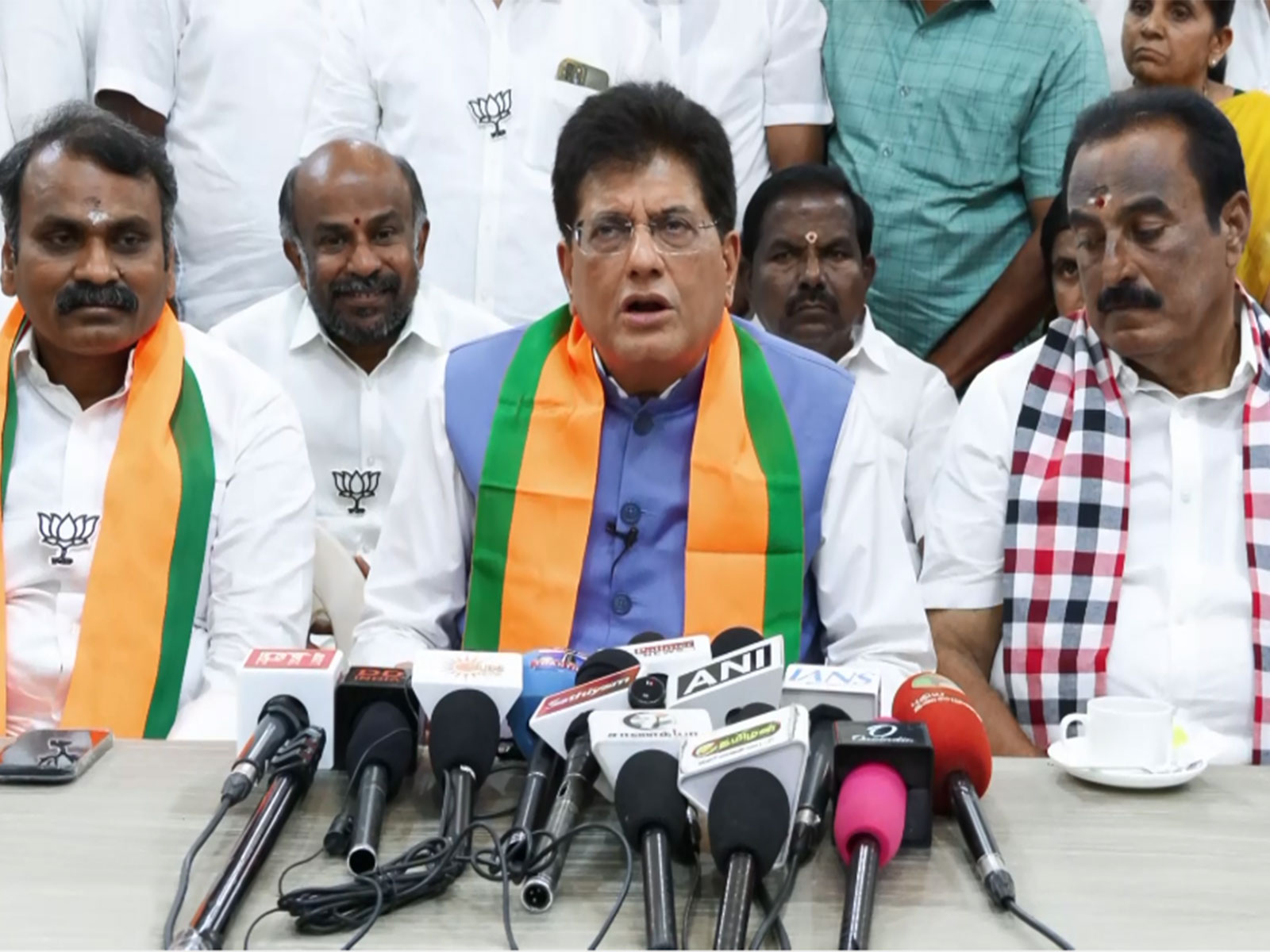
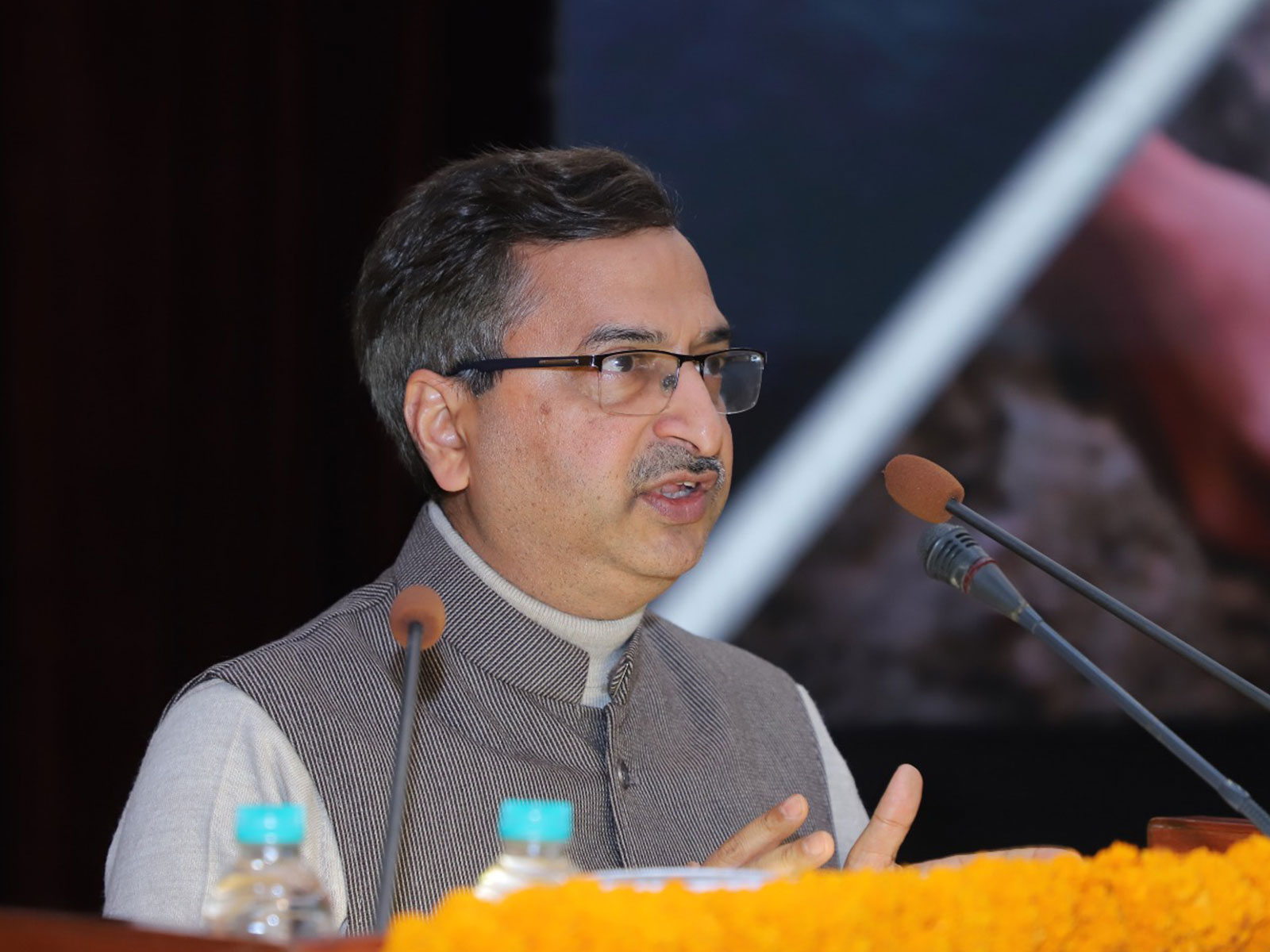
New Delhi [India], April 10 : India is confident of building a complete electric vehicle (EV) battery ecosystem within the next two to three years, said Mines Secretary Piyush Goyal on Friday, outlining a comprehensive strategy covering lithium sourcing, processing, global acquisitions and mining sector reforms.
"With the strategy that we have made, we are confident that the whole ecosystem of the EV battery chain will be ready in the next couple of years, or 2-3 years," Goyal said during an interaction with reporters.
He said lithium remains central to India's clean energy transition, particularly for EV batteries, where lithium-ion technology dominates. While domestic lithium availability is limited, especially brine-based reserves found in South America, the country is focusing on securing raw materials globally and strengthening domestic processing.
"In spodumene, lithium content is around 1-6%. Spodumene can be imported and further processed. The technology for this is available with our companies today," he said.
However, he underlined gaps in the domestic value chain. "If lithium is brought, there is no conversion plan at scale, so it often gets traded abroad," he noted, stressing the need for downstream processing into battery-grade materials.
India is also nearing completion of a policy focused on processing critical minerals, with two key resources for electric vehicles already identified, Goyal said.
The government is also considering incentives to encourage firms to establish lithium and nickel processing facilities, aiming to reduce import dependence and strengthen domestic refining capabilities.
To secure supplies, India is exploring mineral assets in South America, Australia and Canada, particularly lithium and rare earth elements. A consortium of public sector undertakings, including Hindustan Copper Limited, is in the advanced stages of bidding for overseas blocks, including copper assets in Chile.
The government is also pursuing international collaborations for technology and resource access. "It has to be a win-win arrangement," he said, noting that global deals are being evaluated carefully.
Domestically, efforts are underway to recover critical minerals from industrial waste such as red mud, tailings and fly ash. "Gallium and cadmium have recently come into production," he said, adding that work on minerals like tantalum is progressing. However, he noted that private companies remain cautious due to high capital investment and uncertain returns.
Under the National Critical Mineral Mission, 46 blocks have already been auctioned against a target of 100. A separate scheme to strengthen the critical minerals value chain is in advanced stages.
Highlighting reforms in the mining sector, the Secretary said 212 mineral blocks were auctioned in 2025-26, compared to less than 100 annually earlier. He attributed this to reforms such as the expansion of exploration through NMET, the opening up of private participation in surface minerals, and the revival of expired mines through coordinated efforts with states.
The National Geoscience Data Repository now hosts around 90,000 exploration reports along with multiple geological, geochemical and geophysical data layers, improving transparency and access.
Operationalisation has also accelerated, with 25 mines becoming operational in the past year compared to 58 in the previous decade. Measures such as automatic declaration of preferred bidders, digital end-to-end auction processes, faster approvals, and penalties for delays have helped streamline the sector.
On metals, he said aluminium and copper production remain stable, though pricing pressures persist due to global factors. India is moving towards greater value addition, shifting from refined imports to ore imports and domestic processing. He noted that copper ore imports of around Rs 43,000 crore are being processed domestically and "this year, for the first time, our domestic requirement of processed copper will be fully met," with potential exports going forward.
He also highlighted the importance of coastal mineral resources such as monazite in states like Odisha, Andhra Pradesh, Tamil Nadu and Kerala for rare earth supply chains.
On fertilisers, he acknowledged continued dependence on imports, particularly potash, while noting ongoing global engagements to secure supplies.
Addressing the impact of the West Asia crisis, the Secretary said the government has adopted a "whole-of-government approach" to ensure supply chain stability. "Availability of LPG and critical inputs like explosives is being closely monitored... There has been some impact on prices, but we are working to mitigate it," he said.