India and Malaysia boost ties; focusing on energy, semiconductors, and defence
Feb 08, 2026
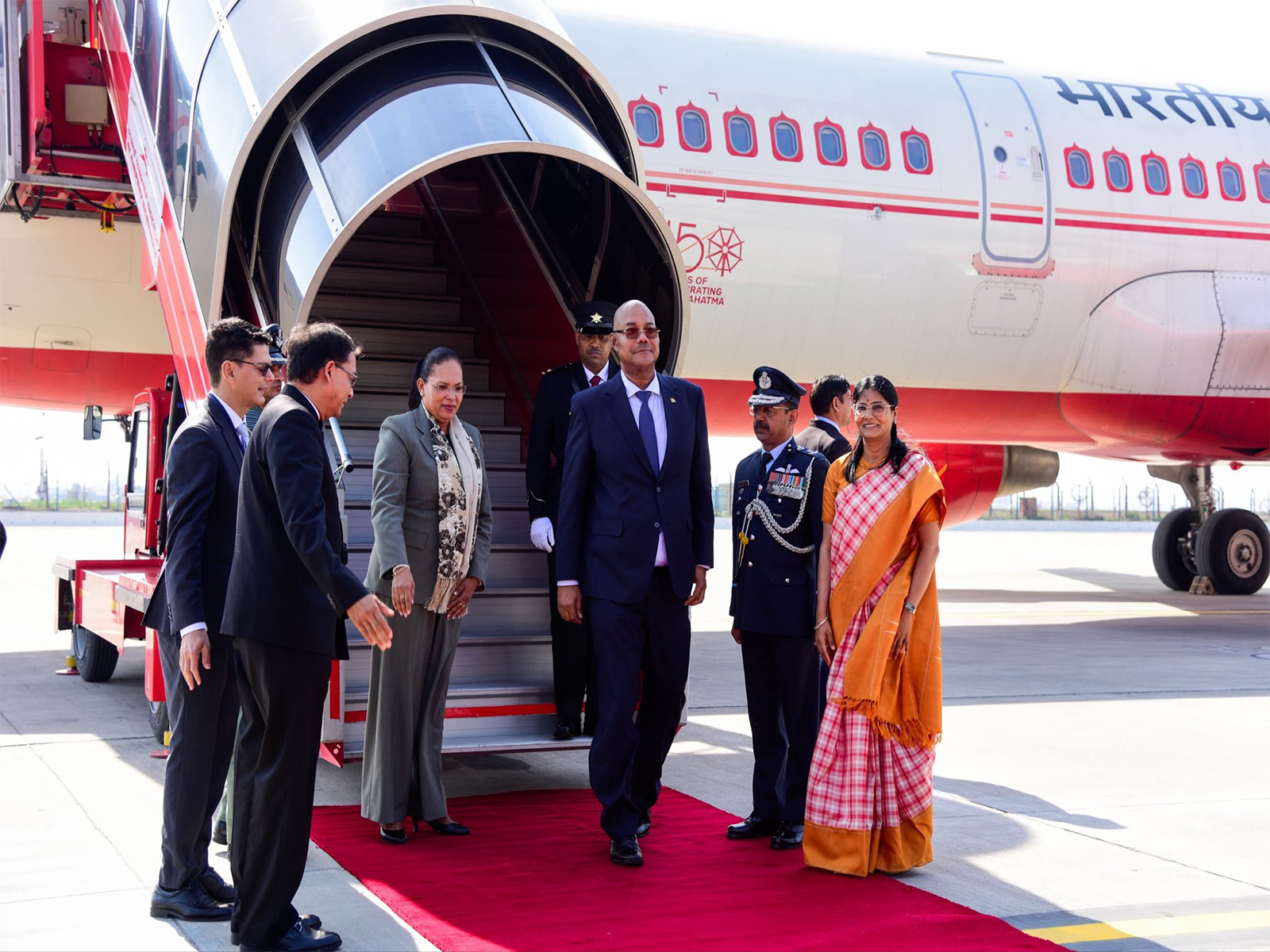
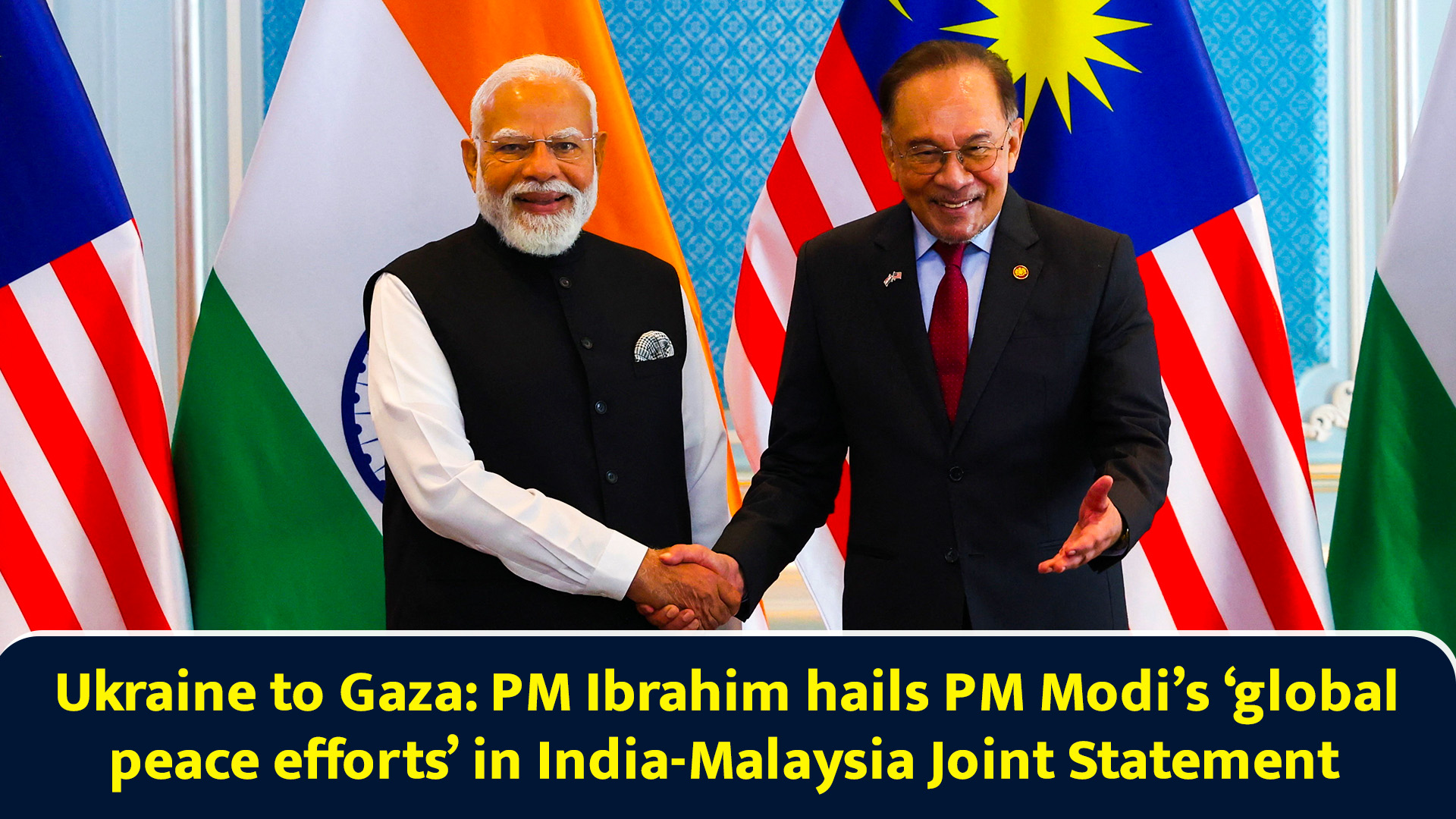
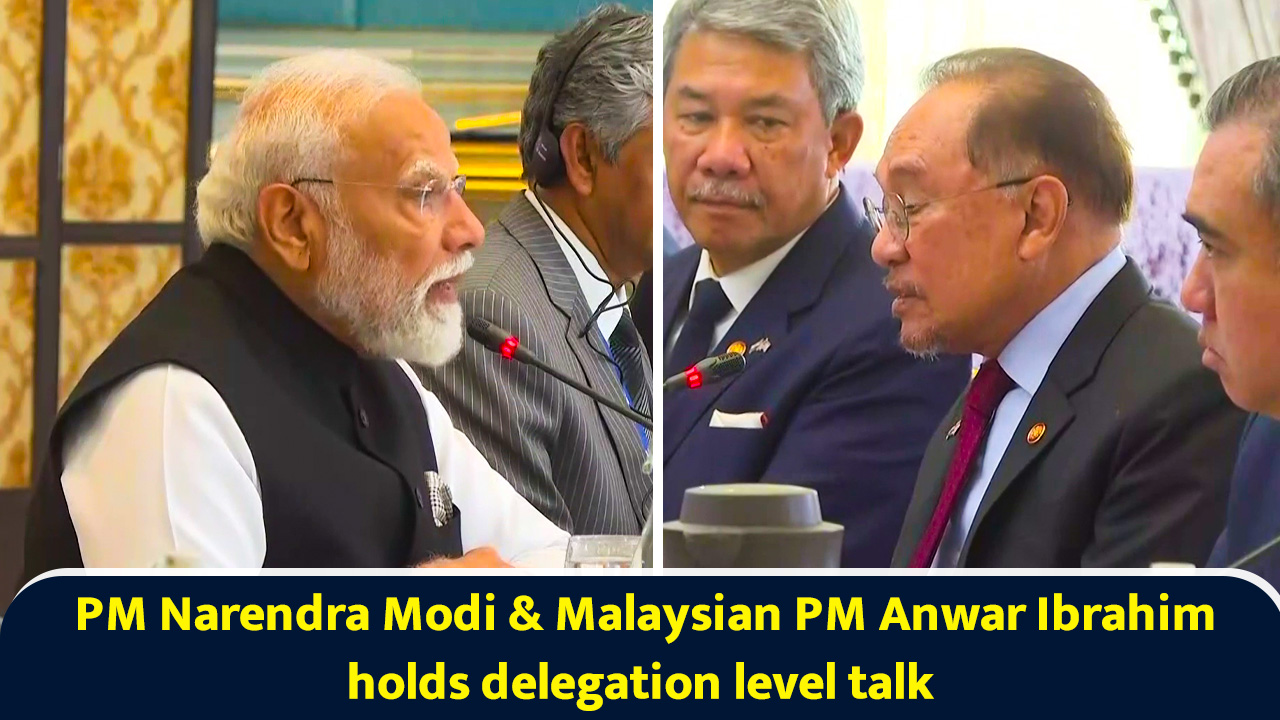
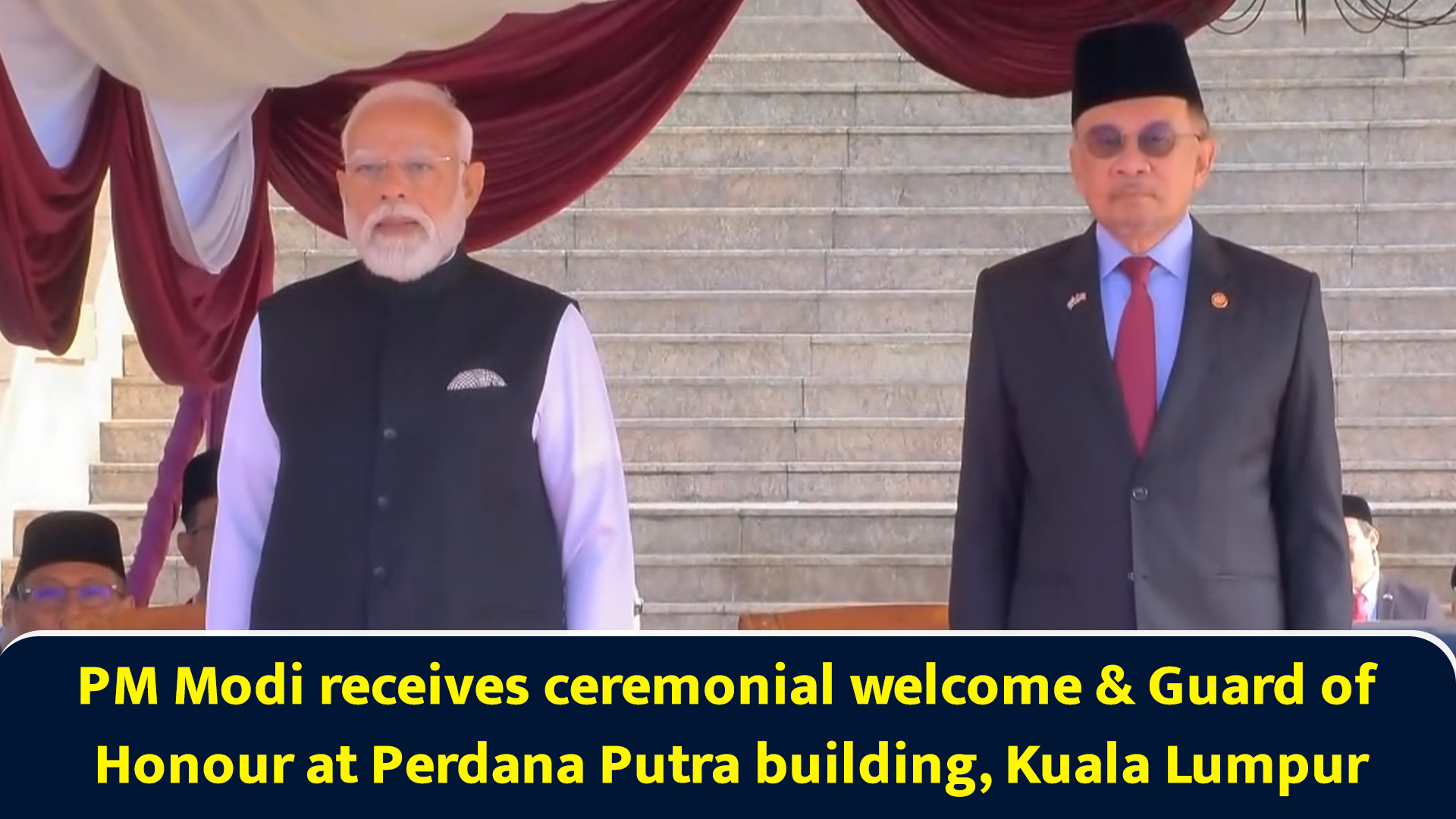
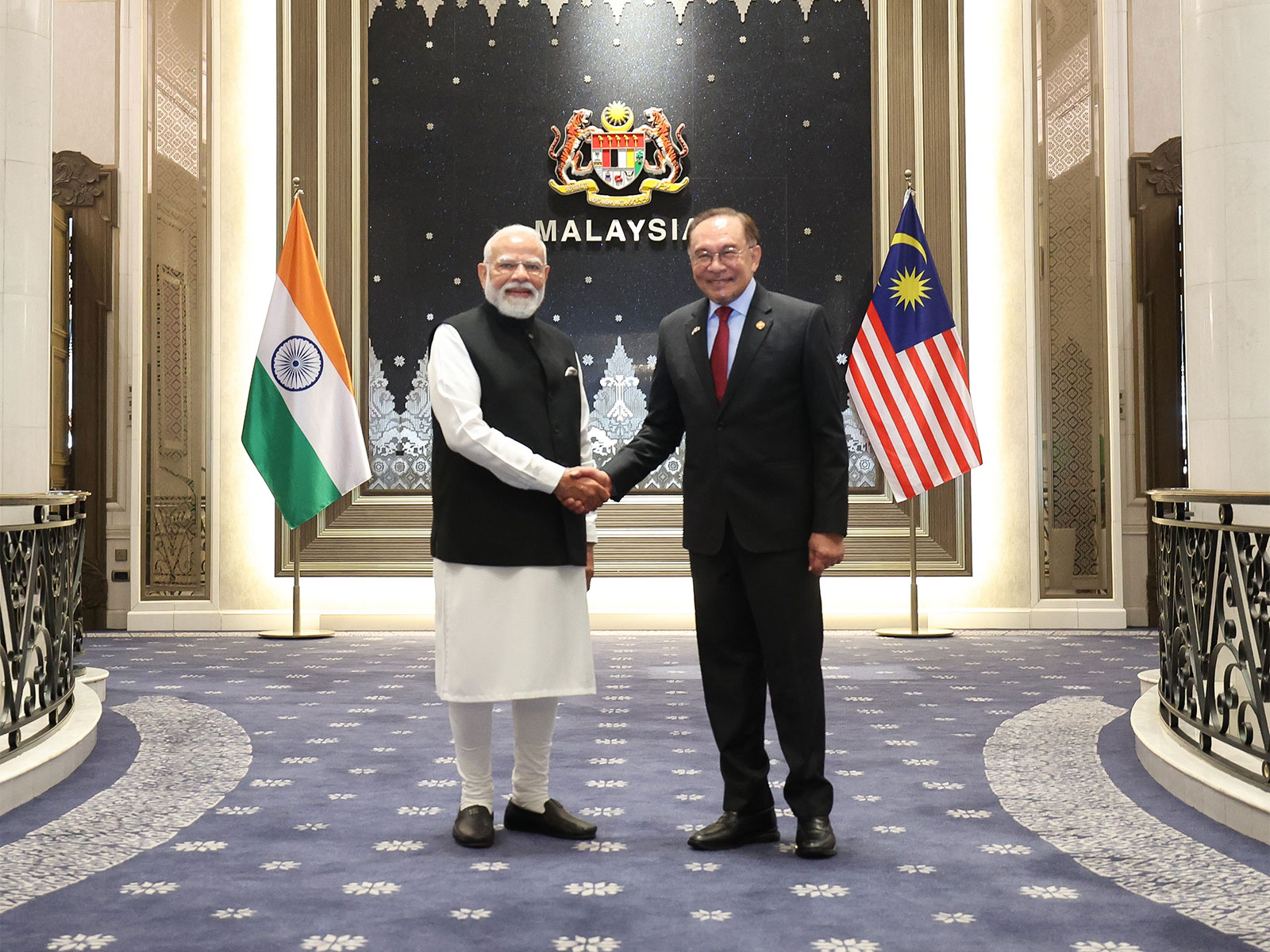
Kuala Lumpur [Malaysia], February 8 : Prime Minister Narendra Modi and Malaysian Prime Minister Anwar Ibrahim met in Kuala Lumpur to solidify a Comprehensive Strategic Partnership that moves beyond traditional trade into the high-stakes worlds of silicon and security.
Both nations focused on energy, semiconductors, and defence, including collaboration on solar energy, green hydrogen, and clean tech; strengthening value chains, innovation, and workforce development; regular exercises; defence industry collaboration; and counter-terrorism efforts.
With Malaysia accounting for roughly 13% of global semiconductor trade, the leaders sought to integrate India's design capabilities with Malaysia's manufacturing and packaging strengths.
In the energy sector, Malaysia's PETRONAS and Gentari are expanding their presence in India's solar and green hydrogen markets, aligning with a shared goal of Achieving Net-Zero emissions, leveraging Malaysia's expertise to drive clean energy solutions and achieving mutual net-zero ambitions. Malaysia appreciates India's initiative in establishing the International Solar Alliance (ISA), according to the India-Malaysia Joint Statement.
The Leaders acknowledged the semiconductor industry's strategic importance to the global technology landscape and emphasised the mutual benefits of strengthening bilateral synergies in this sector. They emphasised the importance of deepening cooperation to strengthen the semiconductor value chain, with a focus on technological innovation, workforce development, and supply chain stability to build a resilient and competitive ecosystem.
A landmark collaboration was hailed between IIT-Madras Global and the Advanced Semiconductor Academy of Malaysia (ASEM) to build a "future-ready" workforce.
The Indian Electronics and Semiconductor Association (IESA) and its Malaysian counterpart (MSIA) are now officially linked to stabilise supply chains against global shocks, added the statement.
The defence relationship has evolved into a sophisticated operational partnership, highlighted by the establishment of the Strategic Affairs Working Group (SAWG) and the Su-30 Forum.
They welcomed the successful outcomes of the Malaysia-India Defence Cooperation Committee (MIDCOM) and its subcommittees, including the Terms of Reference on the establishment of a Strategic Affairs Working Group (SAWG) and Su-30 Forum.
Both nations operate Russian-origin Sukhoi fighter jets. The newly formed Su-30 Forum enables the Indian Air Force (IAF) and the Royal Malaysian Air Force (RMAF) to share technical expertise, maintenance protocols, and spare parts strategies, effectively bypassing traditional supply chain hurdles.
Both Leaders appreciated India's steadfast engagement in the ASEAN Defence Ministers' Meeting Plus framework and welcomed the co-chairmanship with Malaysia of the Counter-Terrorism Working Group for the 2024-2027 term.
The Leaders extended an invitation to all ADMM-Plus members to participate in the forthcoming Expert Working Group on Counter Terrorism Table-Top Exercise (EWG CT TTX), co-chaired by India and Malaysia.
Malaysia will host a major Counter-Terrorism Table-Top Exercise later this year under the ADMM-Plus framework, co-chaired by India.
The Leaders also noted the regular participation of their defence delegations and companies in defence exhibitions, including Aero India 2025 and the Langkawi International Maritime and Aerospace Exhibition (LIMA 2025).
The leaders celebrated the 5th edition of Exercise Harimau Shakti, concluded in the deserts of Rajasthan in December 2025. This was complemented by a surge in maritime "goodwill visits."
Notably, INS Sandhayak visited Port Klang in July 2025 for hydrographic cooperation, and INS Sahyadri visited Kemaman in October 2025.
The leaders also welcomed regular navy-to-navy interactions between the countries, including bilateral and multilateral naval exercises such as 'Samudra Laksamana', MILAN, and the ASEAN-India Maritime Exercise (AIME).
The Leaders also expressed satisfaction with the establishment of cooperation between the Government of Malaysia and the Government of the Republic of India under the Inaugural Malaysia-India Security Dialogue, a platform to discuss cooperation and mutual assistance on security matters.
In a strong diplomatic signal, both Prime Ministers issued an unequivocal condemnation of terrorism, specifically citing cross-border terrorism. Leaders condemn terrorism, vowing zero tolerance and cooperation on security matters.
Recognising the linkages between terrorism and transnational organised crime, the two leaders agreed to cooperate on transnational organised crime, including by sharing information and best practices. The two Leaders reaffirmed their commitment to strengthening bilateral and multilateral cooperation to counter terrorism, including through the UN and FATF.