India-EU FTA promotes paperless trade, e-invoicing to ease cross-border trade
Feb 13, 2026
New Delhi [India], February 13 : The digital trade chapter of the India-EU Free Trade Agreement (FTA) promotes paperless trade, e-invoicing, e-contracts, and e-authentication to ease cross-border trade. This facilitative framework establishes a secure and trustworthy digital environment for electronic transactions, which aims to strengthen the growth of goods and services trade between India and the European Union.
According to a Ministry of Electronics & IT release, the chapter contains provisions to enhance consumer confidence and business trust while recognising the importance of regulatory and technical cooperation to integrate Indian startups and MSMEs into digital trade. The agreement includes specific provisions on online consumer protection, cybersecurity, unsolicited electronic messages, and source code to build trust among businesses in electronic transactions.
In a significant move toward technical integration, India and the European Commission signed and exchanged an Administrative Arrangement on Advanced Electronic Signatures and Seals on January 27, 2026, during the 16th India-EU Summit. This arrangement provides a framework for cooperation on the interoperability of electronic signatures, electronic seals, and Public Key Infrastructure (PKI) systems.
The Ministry stated that this cooperation remains "consistent with the laws of India and the European Union by promoting the use of secure and trusted electronic signatures and seals in cross-border digital transactions and trade."
The release further noted that this enables service providers to "utilise the market access opportunities created under India-EU FTA." To support these digital trade ambitions, the government maintains several infrastructure initiatives, including Aadhaar, which has generated over 143 crore IDs, and the Unified Payments Interface (UPI), which powers 49% of global real-time digital payments.
On the security front, the Indian Computer Emergency Response Team (CERT-In) leads incident response and coordination as the national nodal agency. The National Cyber Coordination Centre (NCCC) monitors cyberspace for threats and shares real-time intelligence with stakeholders.
Additionally, the Ministry of Home Affairs operates the Indian Cybercrime Coordination Centre (I4C) for action against cybercrimes, while the National Critical Information Infrastructure Protection Centre (NCIIPC) safeguards critical infrastructure and provides threat intelligence.
To address the demand for digital talent, the government operates programs such as IndiaAI FutureSkills and FutureSkills Prime. The IndiaAI FutureSkills pillar "aims to develop AI skilled professionals in India by increasing the number of graduates, post-graduate and PhDs in AI domain."
Under FutureSkills Prime, a collaboration between MeitY and NASSCOM, more than 26.2 lakh candidates have registered for training in emerging technologies like Big Data Analytics and Cyber Security.
Furthermore, the National Institute of Electronics and Information Technology (NIELIT) has trained over 43 lakh candidates in digital literacy.
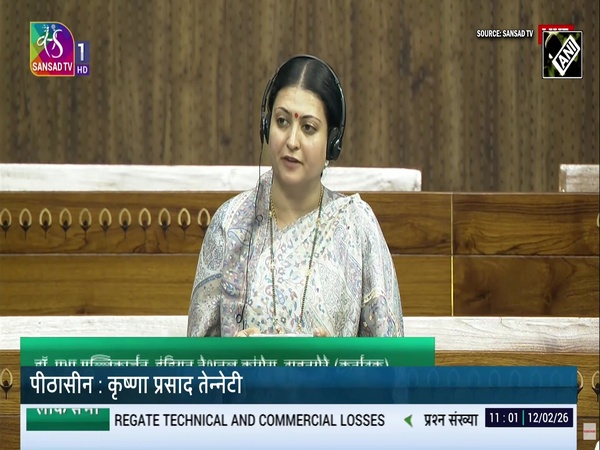
This information was submitted by Union Minister of State for Electronics and Information Technology Jitin Prasada in Rajya Sabha on February 13, 2026.