India-EU FTA set to reshape auto market while boosting beverages and manufacturing
Jan 28, 2026
New Delhi [India], January 28 : The India-European Union Free Trade Agreement (FTA) is expected to have its most visible impact on the premium automobile segment, while also opening new growth pathways for sectors such as alcoholic beverages and auto components, according to industry experts.
In the automotive sector, the agreement is poised to redefine the top end of the passenger vehicle market. With proposed reductions in import duties on select European cars, global manufacturers are likely to reassess pricing strategies and product launches in India, particularly in the luxury and high-technology segments.
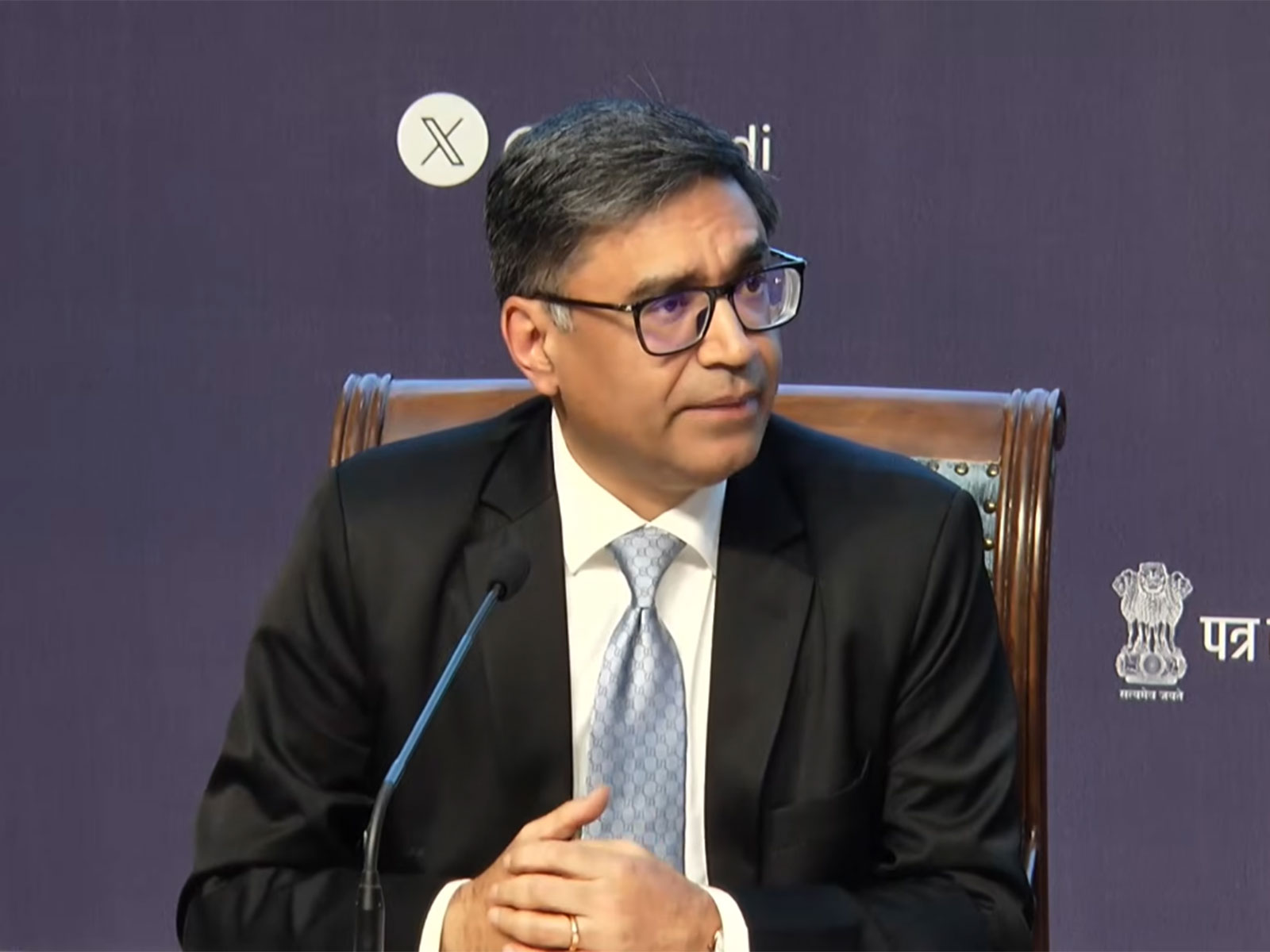
Poonam Upadhyay, Director at Crisil Ratings, explained that the impact would be concentrated at the premium level rather than across overall volumes.
"India's proposal to sharply reduce import tariffs on passenger vehicles originating from the European Union (EU) is likely to have the most visible impact at the top end of the market, rather than on the overall industry volume. The proposal entails lower duties from 110% currently to about 40% initially and 10% eventually. on a quota of around 250,000 cars priced above EUR15,000. That would give European original equipment manufacturers (OEMs) room to price imported models more competitively, expand their model range and recalibrate launch price points," Upadhyay noted.
At the same time, the agreement has been structured to safeguard domestic manufacturers. Electric Vehicles (EVs) have been excluded from initial tariff concessions, providing Indian companies with crucial time to strengthen local supply chains and scale up indigenous capabilities. The auto component industry is also expected to benefit as European OEMs expand their operations and sourcing within India.
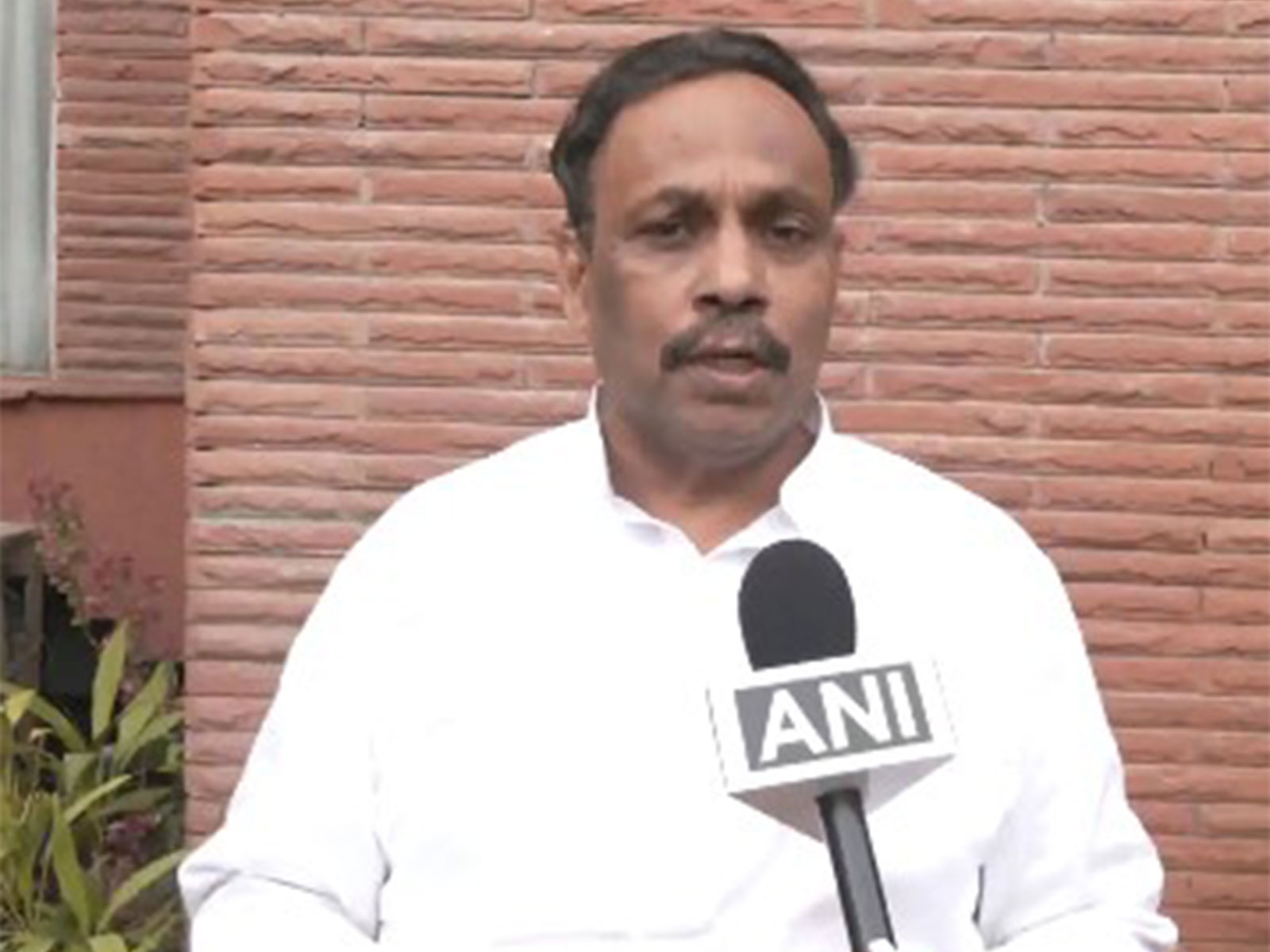
Beyond automobiles, the alcoholic beverage industry sees the FTA as a step toward predictable and phased market access. Anant S Iyer, Director General of the Confederation of Indian Alcoholic Beverage Companies (CIABC), pointed to structured tariff reductions as a key outcome.
"There is going to be a staged year-on-year reduction on both spirits as well as wine and wine is very critical in terms of discussion as far as the EU is concerned with India, because it also has an impact on large brewers of Europe, and wines are big business in Europe. So yes, there seems to be a reduction in the wines, and from what I can see, there could be a minimum import price for wines. This is a demand that we have also given in the representation to the Indian Govt, saying that India shouldn't become a dumping ground for cheap wine, and I think they have taken that into consideration," said Iyer.
Industry observers believe that together, these sectoral shifts position the India-EU FTA as a calibrated agreement, one that encourages competition and technology inflow while preserving strategic space for domestic manufacturing growth.