India-EU trade pact set to drive electronics exports beyond USD 100 billion by 2035: ICEA Chairman
Jan 28, 2026
New Delhi [India], January 28 : Bolstered by the newly finalised Free Trade Agreement (FTA), Chairman of the India Cellular & Electronics Association, Pankaj Mohindroo, projects India's electronics exports to the European Union to cross the USD 100 billion mark by 2035. The trade pact provides a strategic shield for the Indian industry amid global geoeconomic volatility and tariff fluctuations.
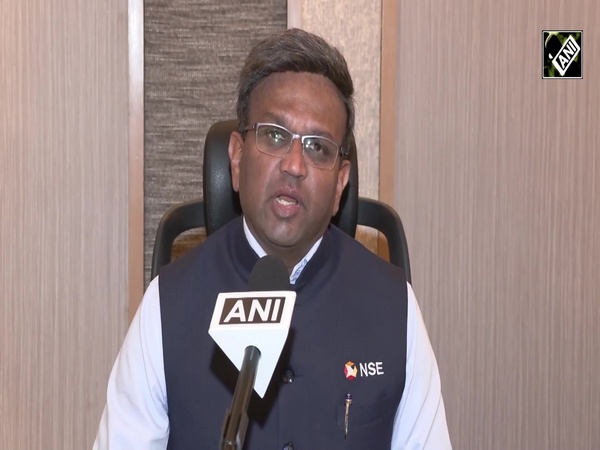
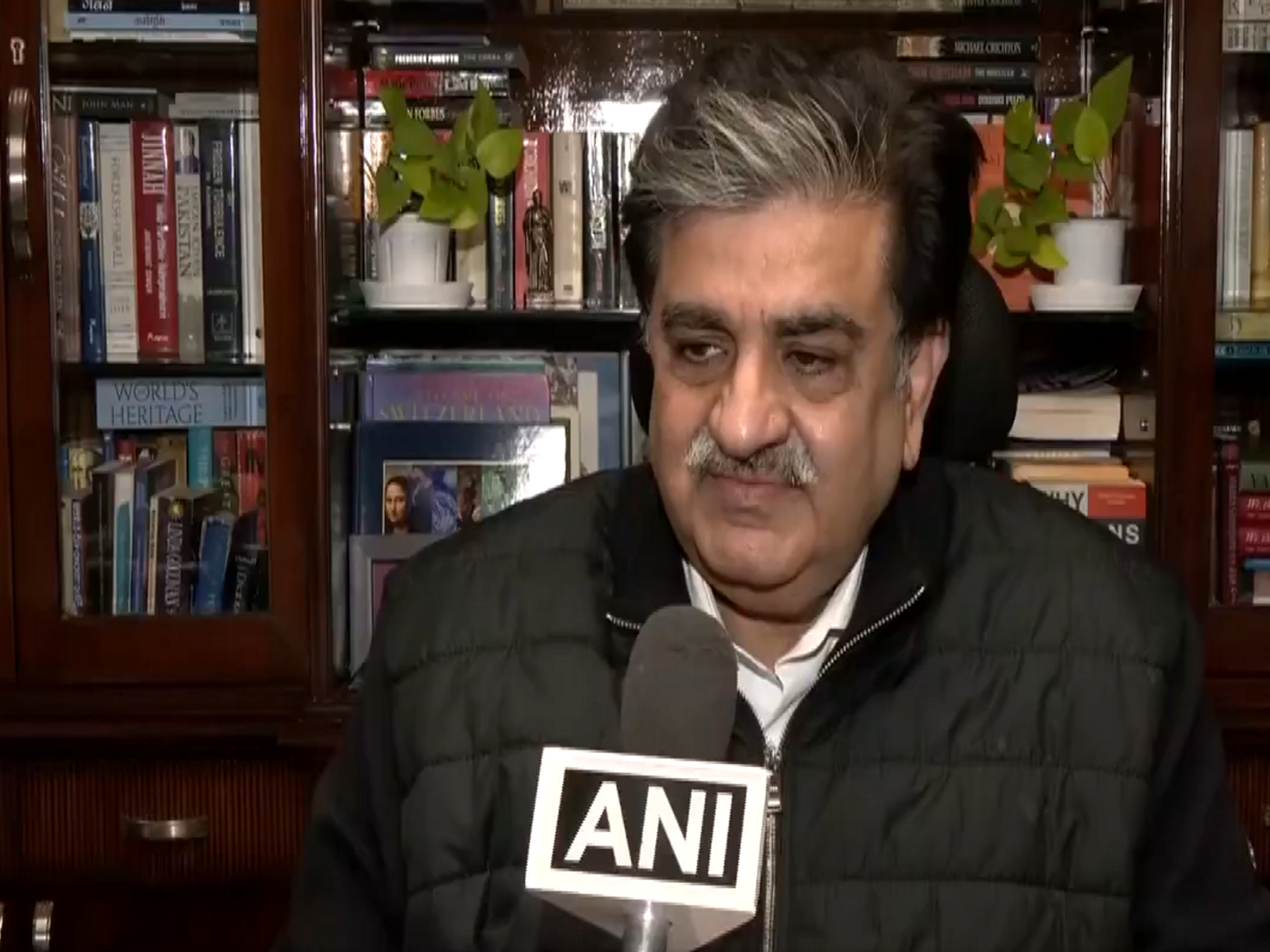
Speaking to ANI, Pankaj Mohindroo stated that while the elimination of duties on most products is expected, the broader strategic security offered by the deal is more vital.
"I think we all understand that there will be zero duties on most products. But what is the most significant is that in this very difficult geoeconomics world, where there is so much turmoil and groups and countries are imposing tariffs on each other, India has sealed itself from any such action by the EU," Mohindroo said.
The current electronics exports to the European Union stand at approximately USD 12 billion. "As far as electronics is concerned, currently we are exposed to about $12 billion. We are determined to increase it to $50 billion by 2031. And I think we'll be well on the way to crossing $100 billion by the end of this decade, which is, say, 2035," he said.
Mohindroo described the agreement as an extraordinary achievement for the Department of Commerce and the national leadership. He noted that, unlike previous trade agreements signed over a decade ago with competing manufacturing nations, this pact opens access to a massive consumption market.
"This is a very large consumption market and labour-oriented products can be produced from India and sold in the EU," Mohindroo added.
The Chairman highlighted the high per capita income of EU nations, citing Ireland's figure of over USD 110,000, as a reason why Indian industry does not require protection from these high-cost economies. He emphasised that the focus remains on protecting domestic labour-intensive jobs while pushing for global competitiveness.
"We only have to protect our country, where, on the finished product, which is labour-intensive, our jobs can be taken away. That is something we need to protect. But other than that, we should not protect because India has to get competitive and we need these reciprocal arrangements for the growth of our economy," he said.