India evolves into global startup powerhouse as policy stability drives growth, say industry leaders
Jan 15, 2026
New Delhi [India], January 15 : Industry experts and leaders have highlighted the rapid transformation of India's startup ecosystem, noting that the country now hosts over 100 unicorns and 73,000 registered startups. They hailed the PM Modi government for their stable governance framework, the systematic removal of regulatory hurdles, coupled with an increasing global appetite for Indian investments. Leaders stated that the sector has moved beyond a niche interest to become a critical instrument for job creation and national economic development across various industries.
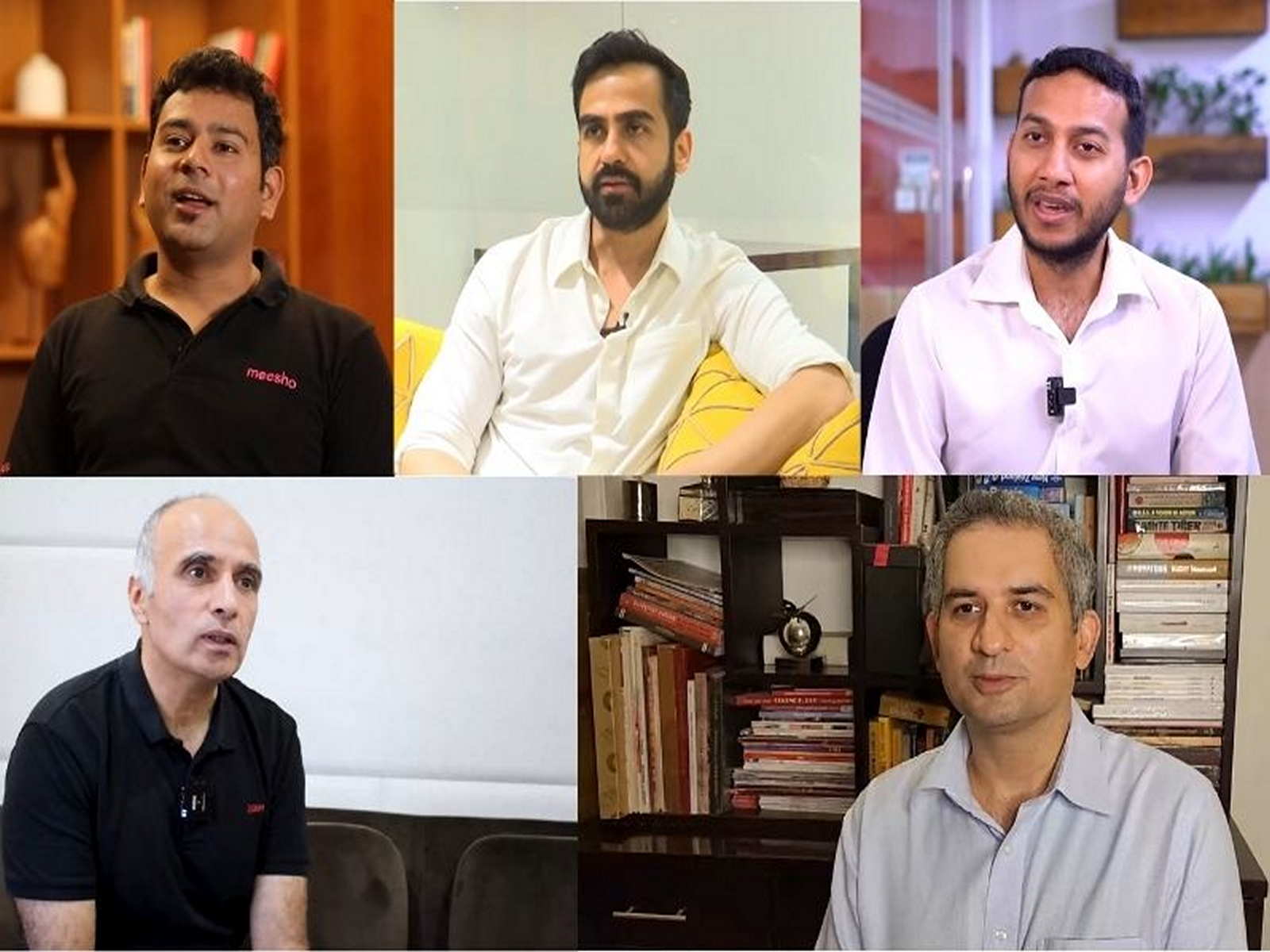
Sanjeev Barnwal, Co-Founder of Meesho, stated that the number of registered startups has reached a massive scale this year, with more than 50 per cent emerging from tier II and tier III cities. He noted that the government has dropped more than 25,000 compliances to improve the ease of doing business. Barnwal said, "With start-ups and MSMEs driving the economy forward, our goal of 5 trillion economy doesn't look too distant now." He further highlighted initiatives like the removal of Angel Tax stating, "Government has also floated a 10,000 crore fund for helping in their funding requirements. About three years back, the government dropped Angel Tax, which has helped a lot of young startups in being able to raise funds from angel investors."
Nikhil Kamath, Co-Founder of Zerodha, remarked that the stability and consistency in policy making has provided a novelty compared to competing regions. He noted that the "India story has been narrated so well abroad" that Western investors remain "sanguine" about India even while being critical of other major economies. Kamath said, "the cost of creating a company, the cost of building something is set to significantly go down and it will become easier for people to conceive and start companies and execute." He added that entrepreneurship has become "cool in society," a trend he expects to continue for a long time.
Ritesh Aggarwal, CEO of OYO Rooms, described the national leadership as having a "solutioning mindset" that mirrors an entrepreneur's approach. He noted that the ability to focus on ground-level execution while maintaining a macro vision has been essential for the creation of over 100 unicorns. Aggarwal shared that this environment has changed personal perceptions of entrepreneurship, stating, "while there are many professional growth that start ups in India have benefited by his policies, but I have personally also benefited because my mom is now okay with me pursuing entrepreneurship."
Yashish Dahiya, CEO & Co-Founder of PolicyBazaar Fintech, pointed out that the movement has spread across 46 different industries and 653 districts. He highlighted that the Digital India mission and the UPI framework have allowed startups to solve problems previously thought impossible. Dahiya noted that India now possesses the third largest startup ecosystem in the world with a total valuation of about USD 338 billion. He stated, "setting up a startup is a respectable thing" and emphasized that his own firm has created approximately 15,000 jobs to support the national economy.
Prashant Tandon, CEO of 1mg, emphasized that the JAM trinity (Jan Dhan, Aadhaar, and mobile) alongside public infrastructure like UPI, provided a significant push to the entrepreneurial ecosystem. He stated that in the healthcare sector, digital health is taking off and moving away from traditional methods. Tandon said, "India will not just be one of the followers or participants in the global digital health ecosystem. India will define the way the global digital health ecosystem will be created." He concluded that the "Startup India" initiative catalyzed the entire country to understand the potential for startups to drive growth and development.