India expands international role at IEC, ISO as BIS leads 15 global standards panels: DG Garg
Jan 07, 2026
By Kaushal Verma
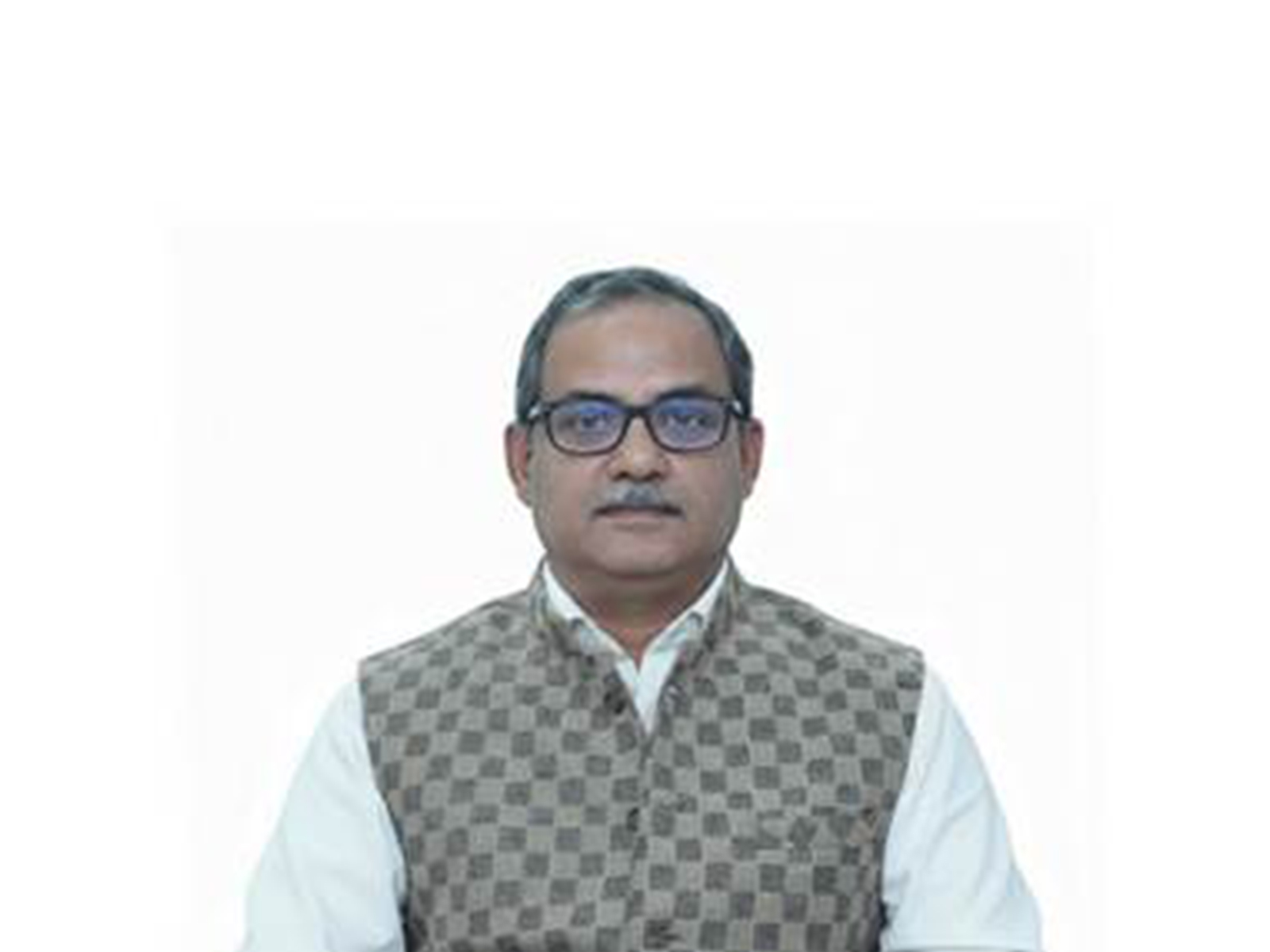
New Delhi [India], January 7 : India has significantly expanded its role in global standards-setting, with the Bureau of Indian Standards (BIS) now holding the secretariat of 15 international technical committees under the International Organisation for Standardisation (ISO) and the International Electrotechnical Commission (IEC), BIS Director General Sanjay Garg said.
India's growing presence comes as BIS accelerates domestic reforms to strengthen quality infrastructure, expand hallmarking, and enhance digital surveillance to curb misuse of certification marks.
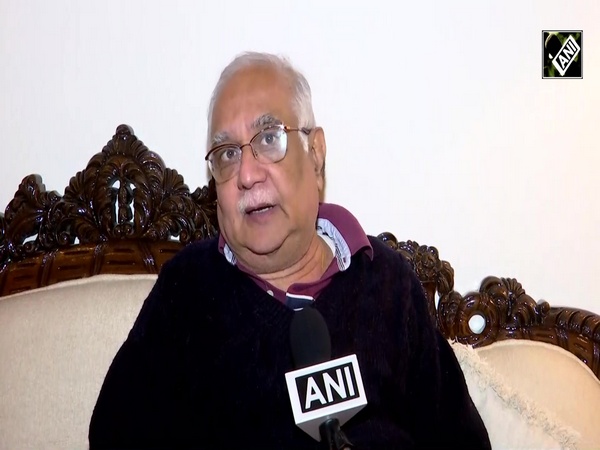
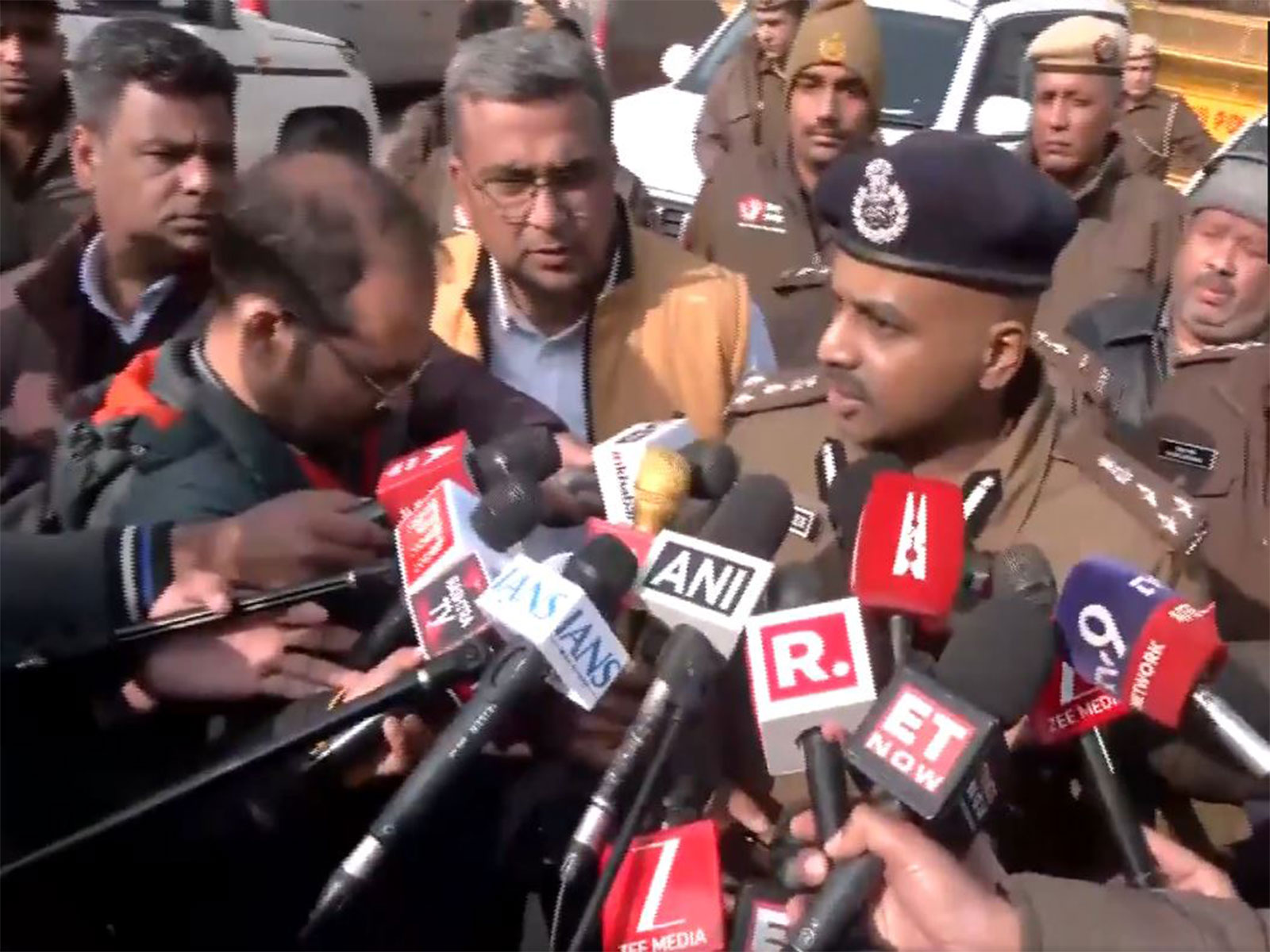
"Now we have 15 technical committee secretariats in BIS and in almost all these standard-making committees, our Indian experts are there," Garg told ANI on the sidelines of the 79th Foundation Day of BIS.
He added that India is no longer only adopting international standards but is "actively engaging and participating in making those standards."
Garg said nearly 90% of Indian standards are now aligned with international norms, reflecting the government's push to position India as a global quality benchmark as manufacturing and exports expand.
Alongside its international engagement, BIS is stepping up domestic initiatives to strengthen consumer trust and enforcement. One key area is the hallmarking of precious metals, where mandatory gold hallmarking has now been implemented in 373 districts, with 58 crore jewellery pieces hallmarked to date.
"Right now, we are hallmarking almost one crore pieces per month," Garg said, adding that BIS has launched a pilot project in 25 centres to capture the image and weight of jewellery along with the Hallmark Unique Identification (HUID) number.
"If the weight and image are captured, then through the BIS Care app, the chances of duplication and fake HUIDs get reduced," he said, noting that the pilot will continue till the end of January, after which BIS will assess data and consult hallmarking centres before considering a nationwide rollout.
BIS is also intensifying its digital transformation to improve efficiency and transparency. On Monday, the organisation launched an online standard development portal, moving the entire standards-making process--expert consultations, drafting and circulation--onto a digital platform.
"This will not only expedite the standard making but will also systematise it and reduce the chances of human error," Garg said.
The BIS Care app, a key consumer-facing tool, has surpassed 12 million downloads and averages around 40,000 daily users, helping consumers verify certified products and lodge complaints.
Despite progress, Garg acknowledged challenges, particularly in enforcement. "There are challenges related to surveillance, like fake ISI marks or fake HUIDs," he said, citing limited manpower and infrastructure. BIS, he added, is increasingly relying on technology and IT-enabled systems to address these gaps.
BIS is also seeking to widen the adoption of voluntary standards. Of the nearly 51,000 licences issued by BIS across 1,400 products, about 50% relate to voluntary products, Garg said.
"Our endeavour is to bring more and more industry into the quality fold and also to reach the consumers so that consumer demands standards," he said, adding that increased consumer awareness would drive industry compliance.
On funding, Garg said BIS does not seek government budget support. "We are self-funded and generate our own resources," he said.
As India looks to scale manufacturing and exports, Garg said BIS is focused on building a technology-driven, globally aligned standards ecosystem that supports industry while safeguarding consumers.