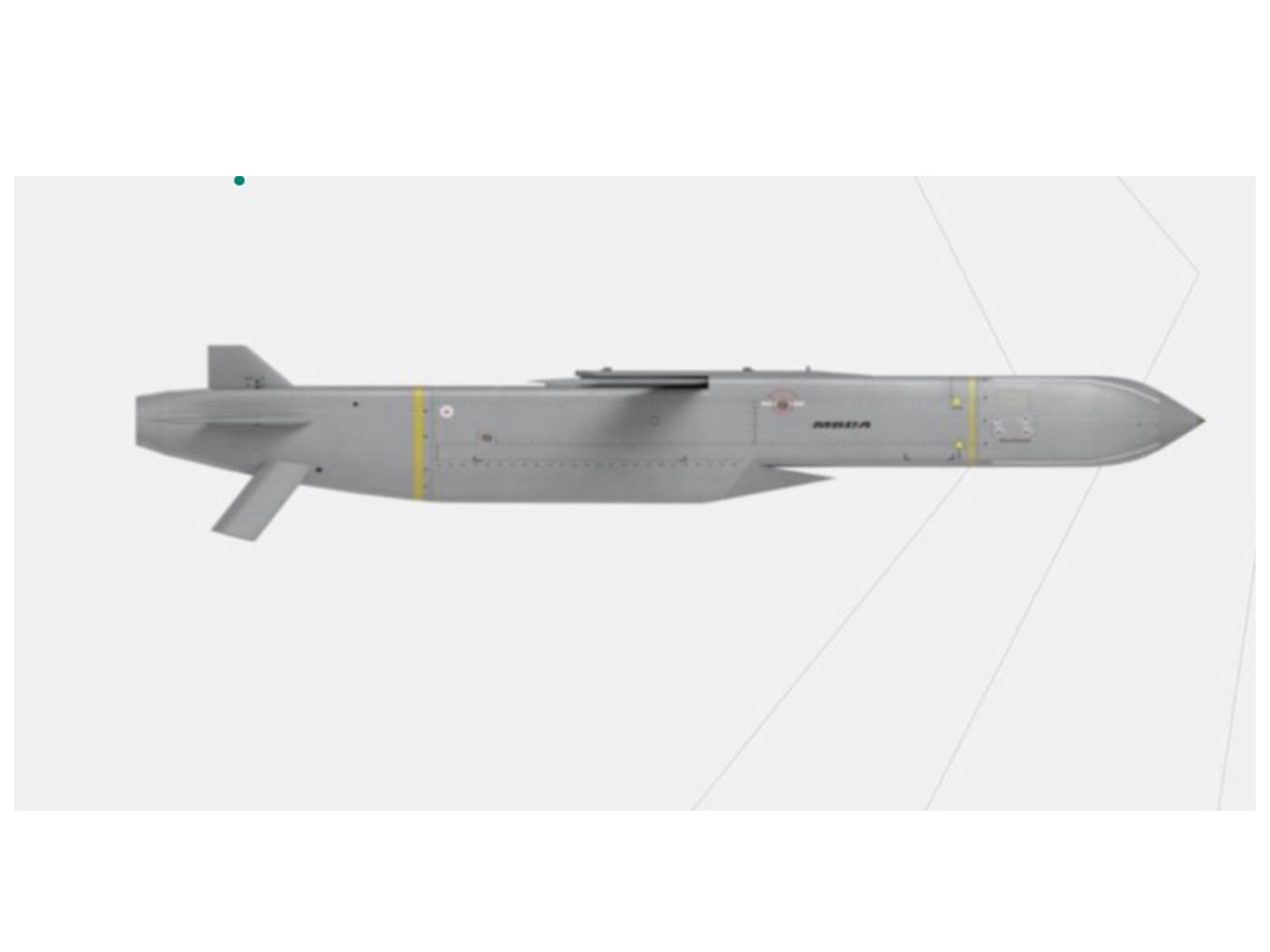
India-France eyeing major Euro 300 million deal for SCALP cruise missiles
Feb 08, 2026
New Delhi [India], February 8 : India and France are looking to sign a major deal for buying a significant number of SCALP cruise missiles that were used by the Indian Air Force to destroy the terrorist headquarters of Jaish-e-Mohamed and Lashkar-e-Toiba inside Pakistan during Operation Sindoor last year.
A significant number of SCALP Cruise missiles are being ordered by the Indian Air Force from France, and discussions are underway. A decision in this regard is expected to be made soon, defence officials told ANI.
The SCALP missiles were launched by the Indian Air Force Rafale fighter jets along with the BrahMos supersonic cruise missiles to take out the terrorist headquarters in Muridke and Bahawalpur districts of Pakistan. The targets were completely destroyed in the attacks by the Indian Air Force with pinpoint accuracy, they said.
The Indian Air Force will use cruise missiles with its fleet of Rafale aircraft.
After the successful destruction of terrorist headquarters in Pakistan on the night of May 6-7, the Air Force used them again in a big way to strike at Pakistan Air Force bases.
The Indian Air Force had hit 12 major air bases of the Pakistan Air Force and destroyed a large number of high-value targets, including fighter jets and spy planes on the ground.
The IAF is also in the process of ordering a huge number of Meteor air to air missile for its fleet of Rafale jets.
The missile will also be integrated into the 26 Rafale Marine fighters ordered for the Indian Navy, which are expected to arrive over the next three to four years.
After the performance of Rafale fighter jets in the Operation Aindoor and increasing threat perception in the region, the Indian Air Force is also going to place orders for another set of 114 Rafale combat aircraft, which are likely to be cleared by the Defence Acquisition Council in the next few days.
The Rafale aircraft is all set to be the mainstay of the Indian Air Force in the next few years, with its numbers expected to be around 200 in the next 10-15 years.