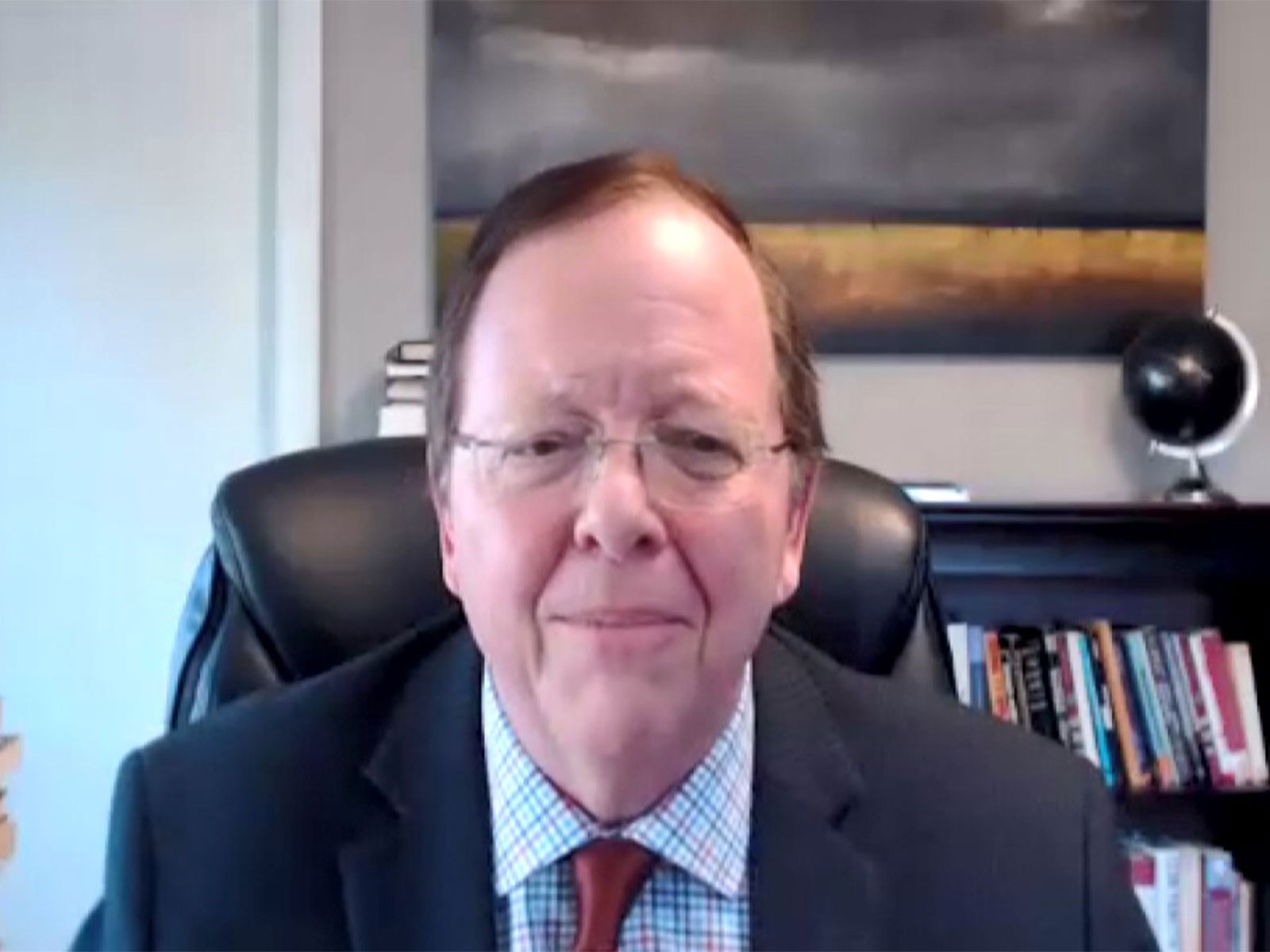
India is slowly bandwagoning with Iran: US Political Scientist Robert Pape
Mar 30, 2026
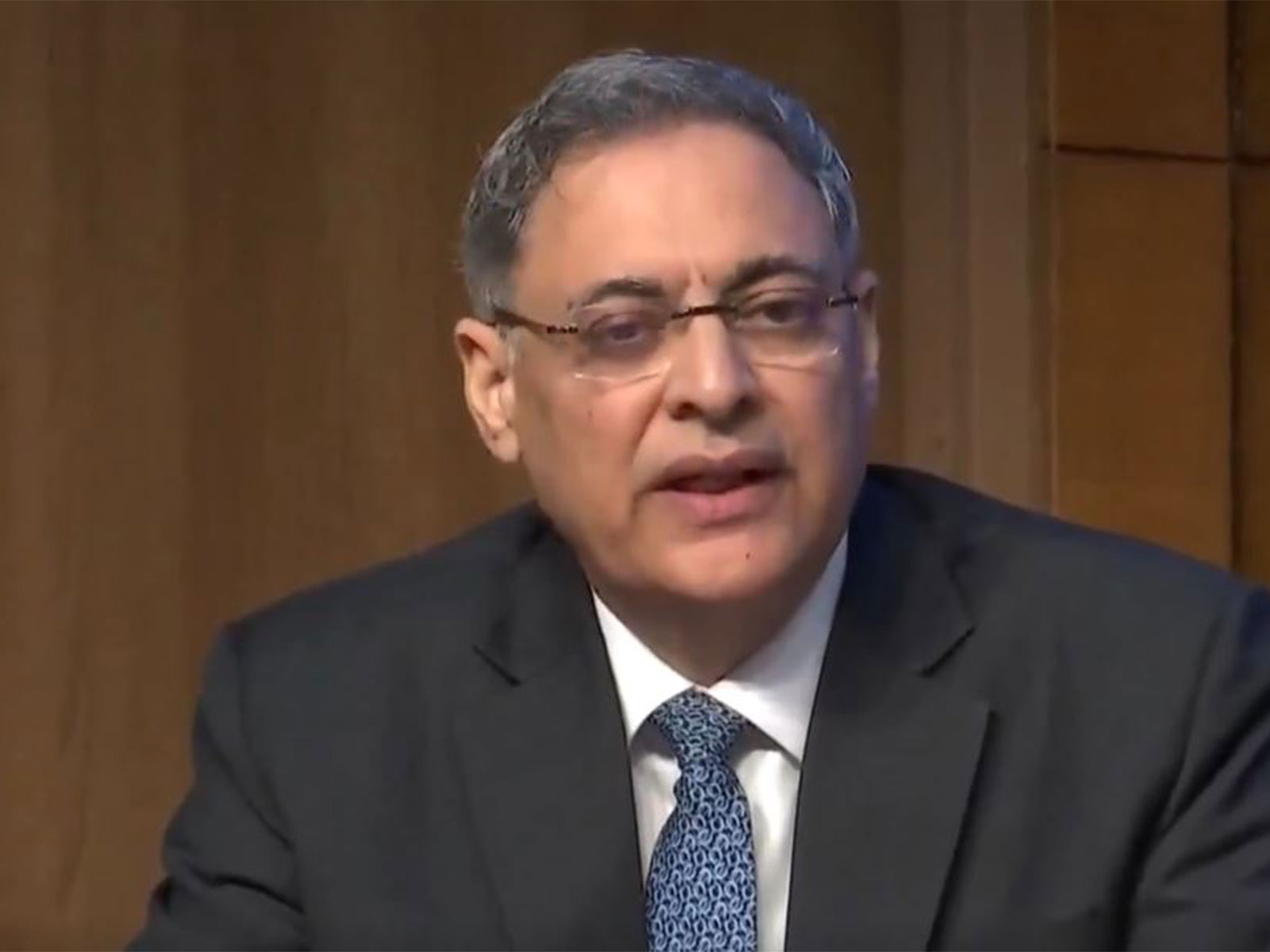
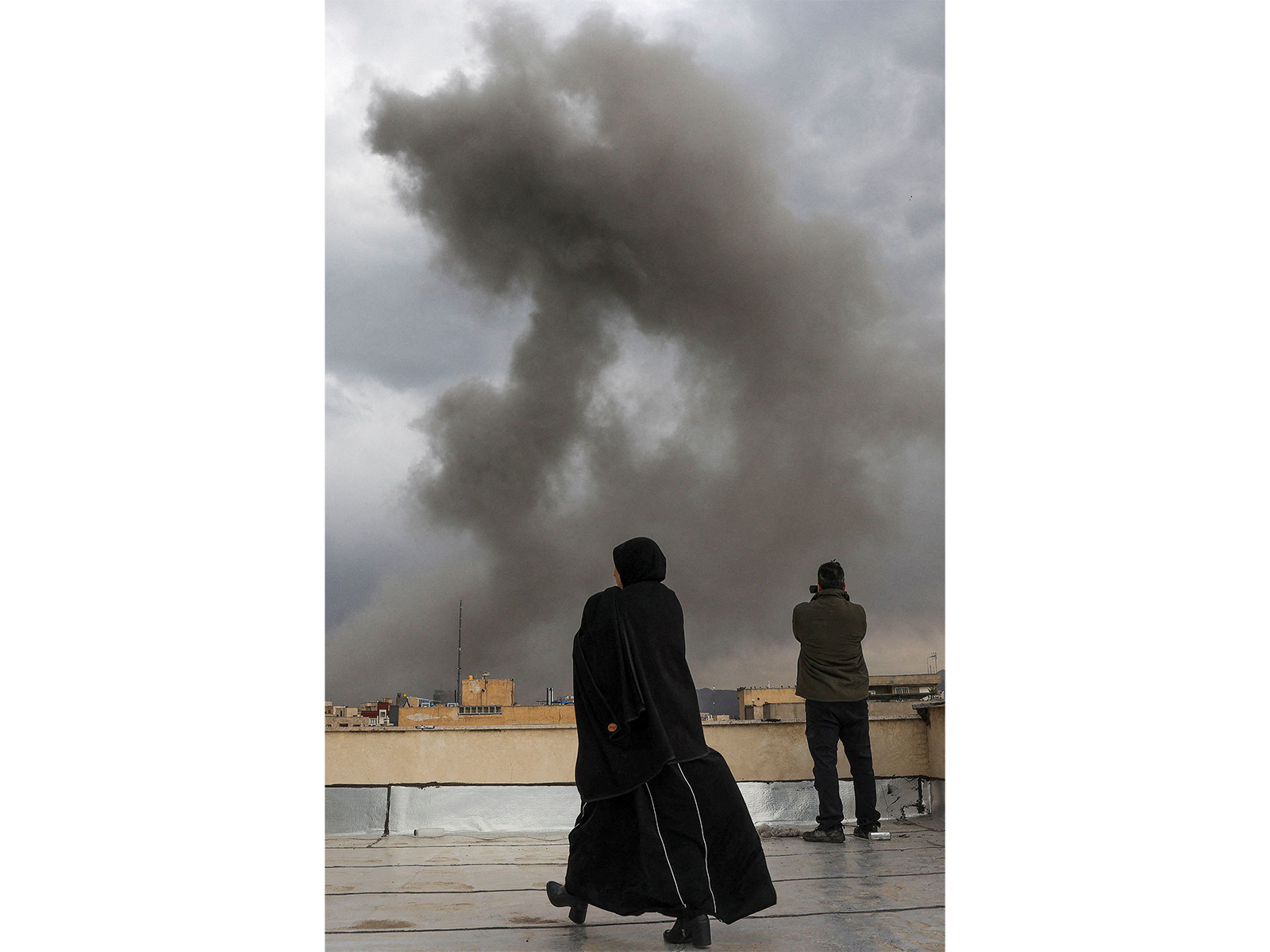
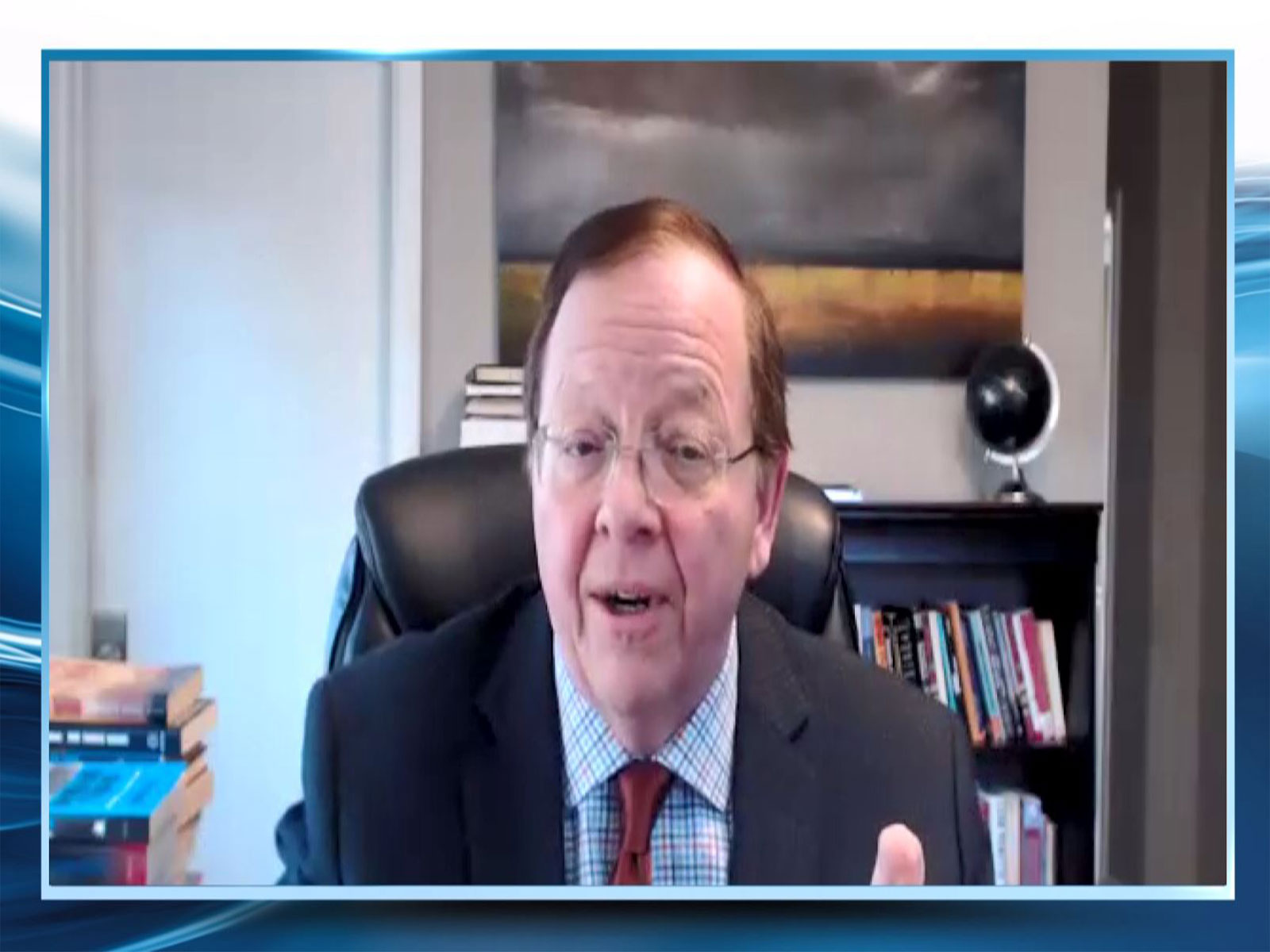
New Delhi [India], March 30 : With the war between the Israel-US and Iran having entered the second month and concerns over energy supply and cost rising globally, leading US Political Scientist and renowned author Robert Pape has said that shortages resulting from a prolonged conflict will "affect India rather dramatically" as also many other countries in the Global South and that New Delhi is slowly "bandwagoning" with Tehran to secure its energy interests.
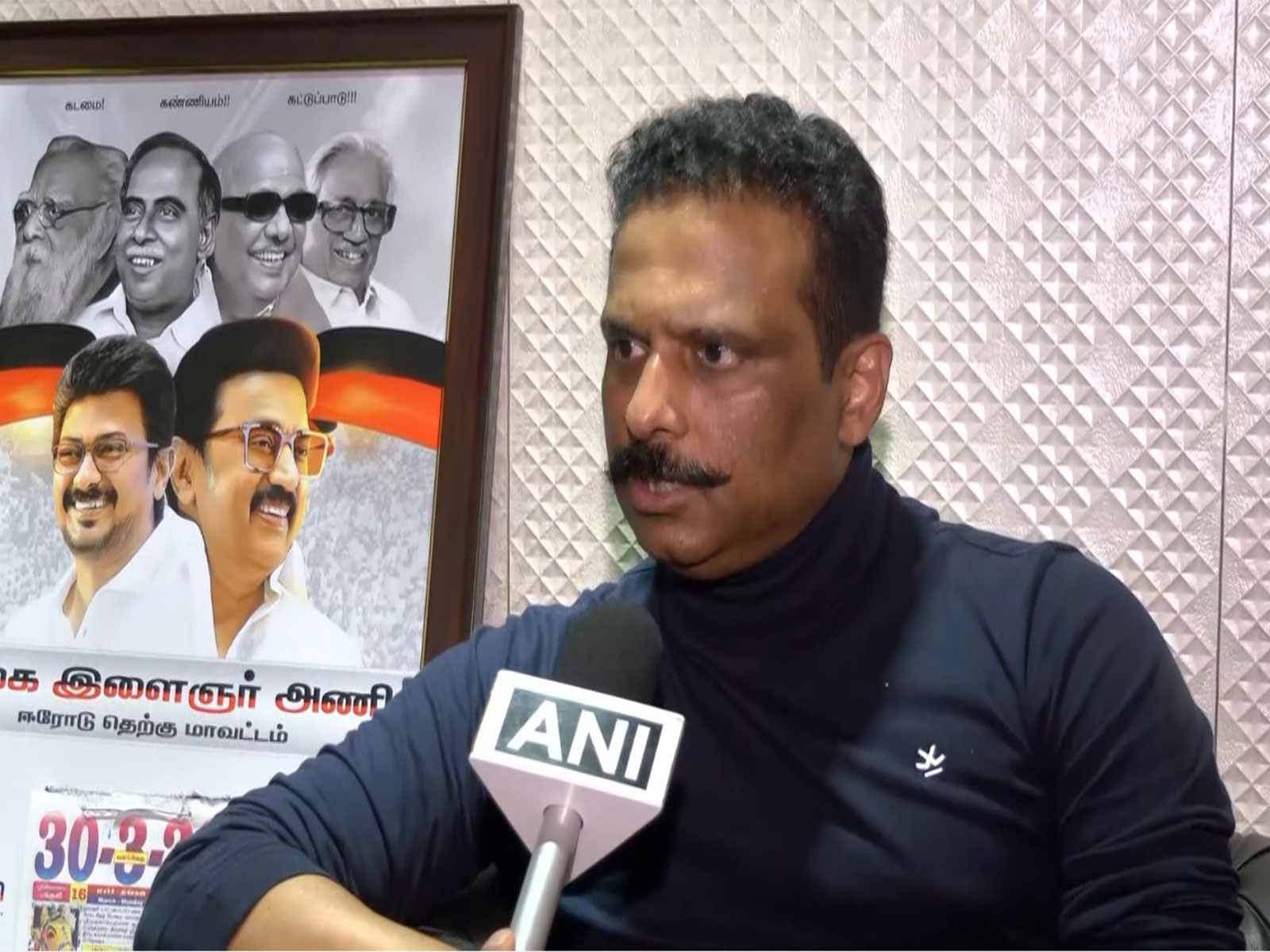
In an interview with ANI also said there is a 70 per cent chance that the US would launch a ground invasion on Iran.
He said that as the price of oil goes up and there will be growing pressure on supply chains, the price of food will go up, and while richer countries will pay those prices, the poorer countries will not just have higher prices but also "actual shortages".
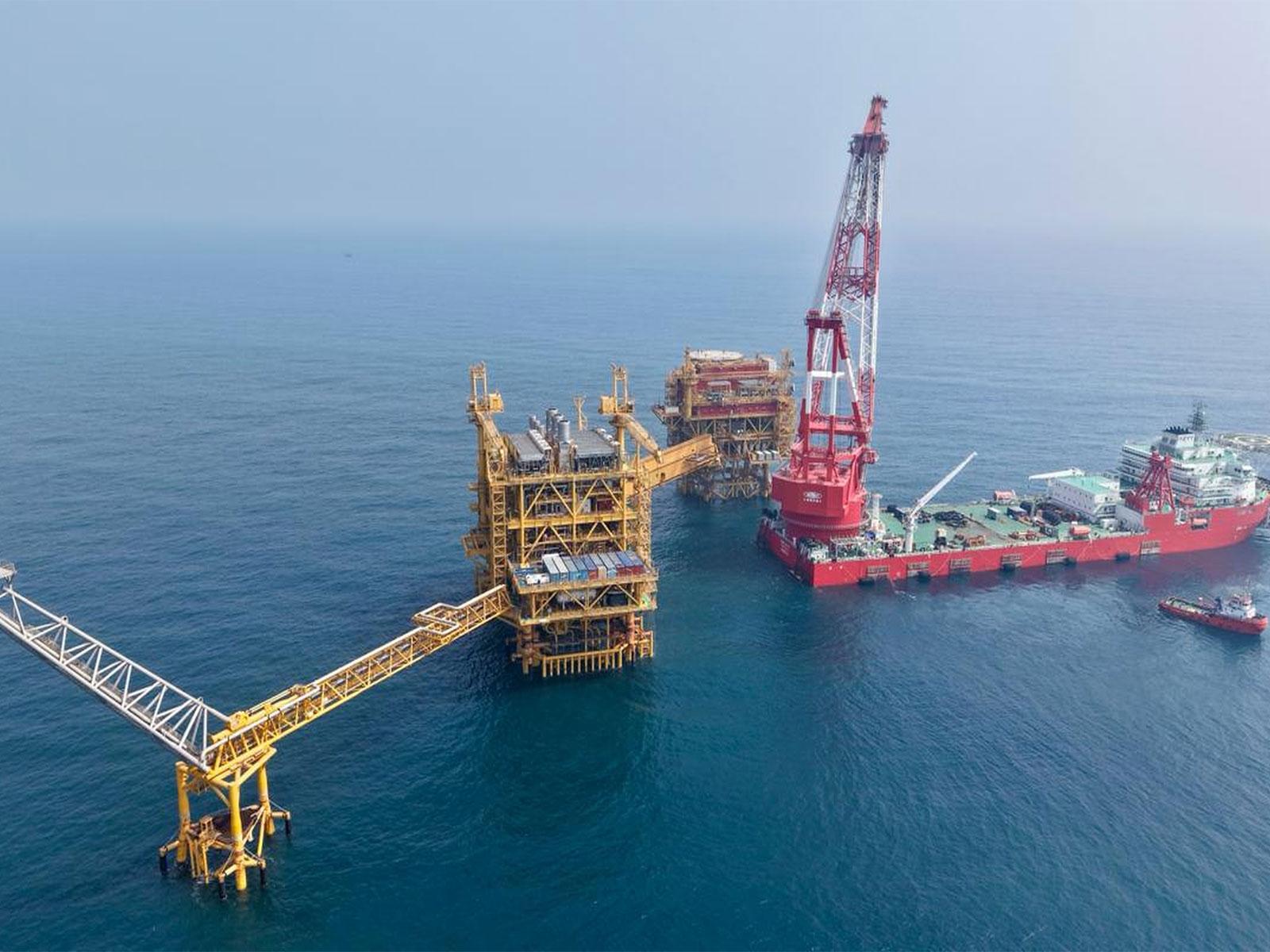
Robert Pape, who is also a US air power expert, referred to Iran excercising control over the crucial Strait of Hormuz and said that after 29 days of conflict, Iran is "more dangerous and more powerful than it was before the war" and "in fact, it's an oil hegemon controlling 20% of the world's oil, more than any other country on the planet."
"So this isn't the Iran of a month ago. We're still operating, I think, in a mindset that we have power, meaning America has all this power, we have this escalation dominance, Iran is a pygmy of some kind. It's this little itsy-bitsy thing. And somehow they will just wake up and realise they've been defeated. Well, Iran's not getting the memo that they're losing the war. They're not getting the memo they've been defeated...," he said.
The expert said Iran's use of its leverage is not "topping out" but is "only beginning".
"Their leverage, their use of leverage here is only beginning. This isn't topping out. This is the beginning of their use of the oil leverage and also fertilizer leverage. So it's not, even though we talk about it as oil, we need to recall 30% of the world's oil. Now, why does this matter so for countries like India? As the price of oil goes up, the price of food goes up, the richest countries in the world, America, Europe, Canada, they won't like it, but they'll pay those prices rather than go without. Now, once the supply shrinks, however, and the price goes up and you tilt more supply, where is it coming from?" Robert Pape asked.
"About two and a half billion people in the next few months are going to start having massive fuel shortages. And they use that fuel, not just to drive to the grocery store. They use it for cooking. They use it for food. The food shortage... fertilizer is going to hit the poorest countries by far the hardest...we haven't even begun to see the actual economic effects. The shock waves here are showing up on the prices that we see on our screens. Well, we don't eat the prices. We will, though, in several months, pay the real price, not just the price that looks on our screen...
"And that will be with shortages. And those shortages are going to affect India rather dramatically. You're going to see it's not just about the cost going up. Supply will literally start to disappear for India. For America, we will not so much have a supply shortage. We will have a price shock. We will have inflation. We will have all that. But we will still at least have a lot of supply. You see, because we'll buy it from the rest of the world here.," he added.
Robert Pape said while global oil supply can be ramped up a bit, it can't be replaced with the oil supply that is being impacted.
"That's where that when you cut 20% of the world's oil, we roughly sell on a daily basis about 100 million barrels a day. And so when you cut 20%, that's just make it easy. That means it's 80 that are in supply. You've gone from supplying the world with 100 to 80. There's nothing to make up that...".
" You can make up like one or two million, go from 80 to 82. You can't make up 80 to 100. So who's going to lose access? It's going to be the poorest countries. It's always the way it is. And they are already hurting when it comes to health, all kinds of issues, of course. This would make that worse," he added.
Robert Pape noted that India and Iran have civilizational ties and India is slowly warming up to Iran.
"The only tiny silver lining that I can see right now over here is that India does have a civilizational relationship with Iran and a good bilateral relationship with Iran, wherein you are seeing Indian tankers slowly trickling down the Strait of Hormuz. But this is due to direct conversations with Iran. And I'm explaining the reality...And it's probably not a personality thing. I'm explaining why that's happening. And this is what's called bandwagoning and international politics discussion," he said.
"India is now slowly warming up to Iran. Now, it doesn't want to announce it's doing that because it doesn't want to alienate the United States. But that's what's happening. And it is showing the power of the 20% of the control of the oil and the control of the Strait of Hormuz. This is political leverage by Iran being exerted on India. India is giving in. Now, not altogether, but it is moving, doing it for these realities that I'm explaining to you...They're looking at this in the realities I'm describing, and they're seeing if they don't do, if they don't pay the tax, etc., for the toll, their people are going to lose access because the rich countries are just going to get what's left," said Robert Pape.
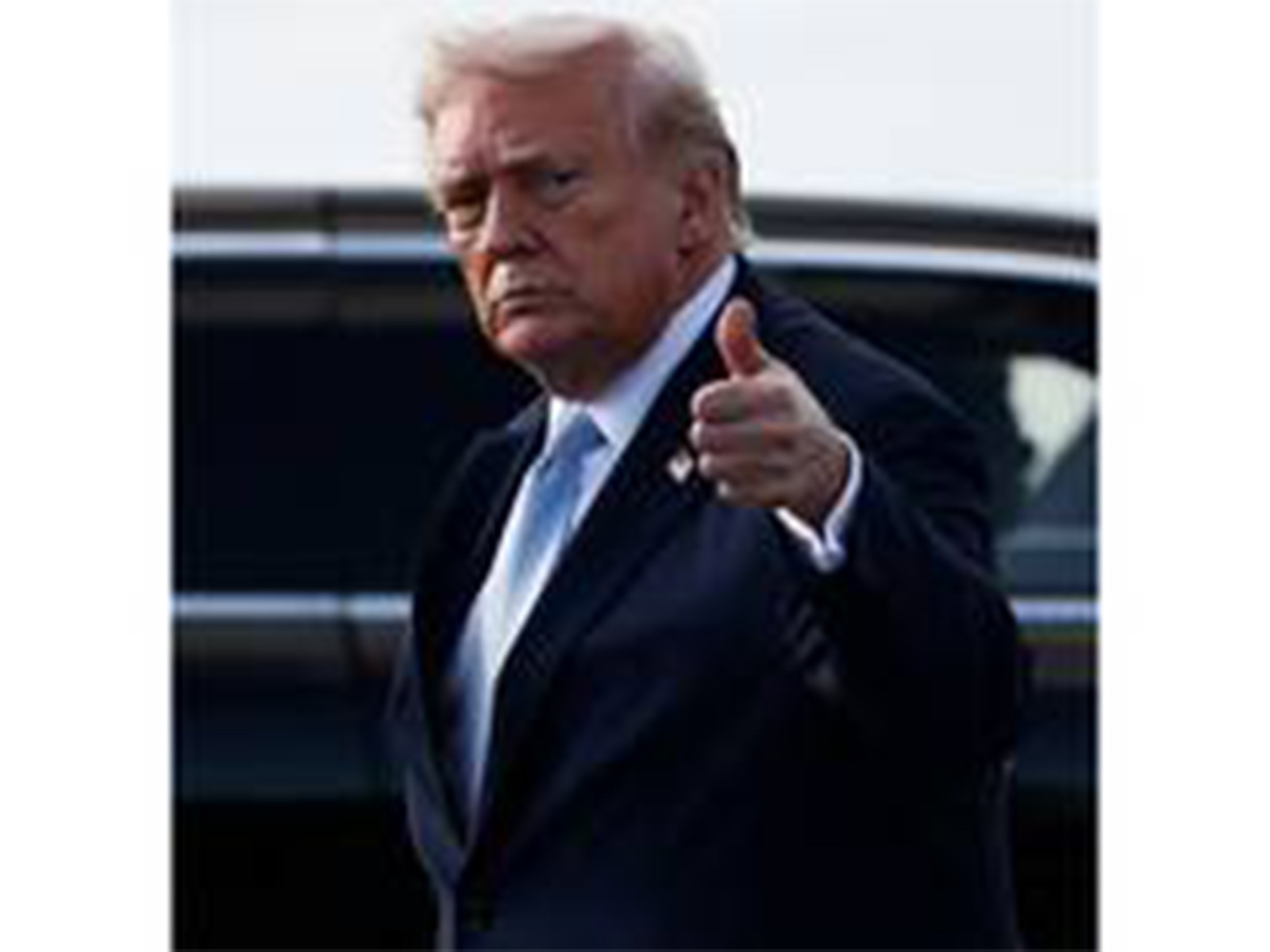
He also said that war has big political cost for US President Donald Trump.
"What is the kind of deal that a power that has 20% of the world's oil in its grip would even listen to, even to start the conversation, you see? So this isn't the Iran of a month ago. We're still operating, I think, in a mindset that we have power, meaning America has all this power, we have this escalation dominance, Iran is a pigmy of some kind," he said.
Pape is a professor of political science at the University of Chicago with a specialisation in security affairs. Professor Pape has a popular substack named the Escalation Trap, which informs the reader when conflicts are changing phases and the various dimensions that happen at each stage.