India joins global elite: Jaishankar poses alongside US State Secy Marco Rubio with other leaders at Critical Minerals Ministerial
Feb 04, 2026
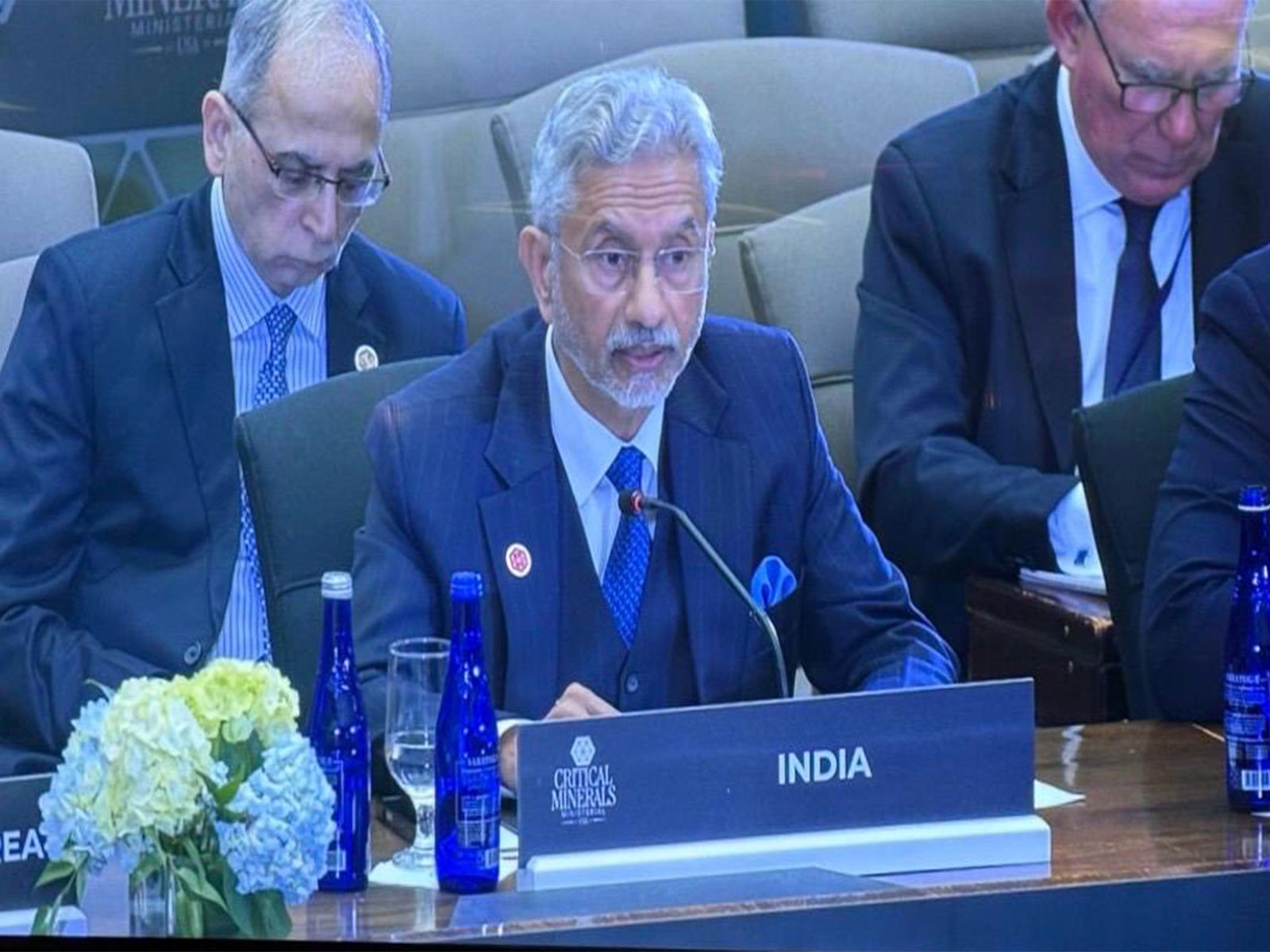
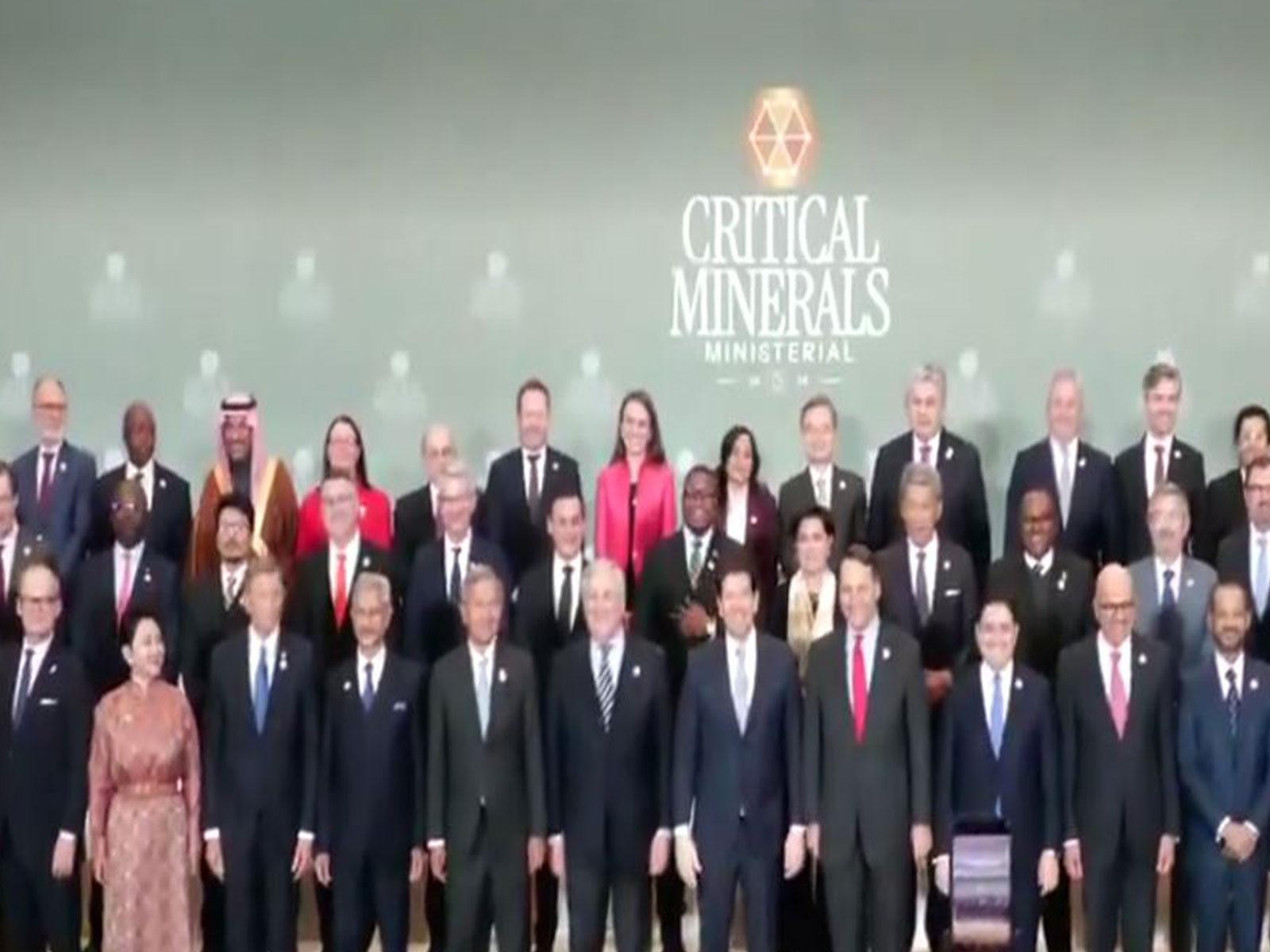
Washington DC [US], February 4 : External Affairs Minister S Jaishankar on Wednesday posed alongside US Secretary of State Marco Rubio and other leaders at the Critical Minerals Ministerial, marking India's entry into an elite group of nations securing global supply chains.
Jaishankar's presence in the "family photo" at the Critical Minerals Ministerial in Washington, DC marks a significant milestone in India's diplomatic journey.
The photo symbolises India's institutional membership in an elite group of nations securing global supply chains, elevating its status from observer to decision-maker in the mineral sector.
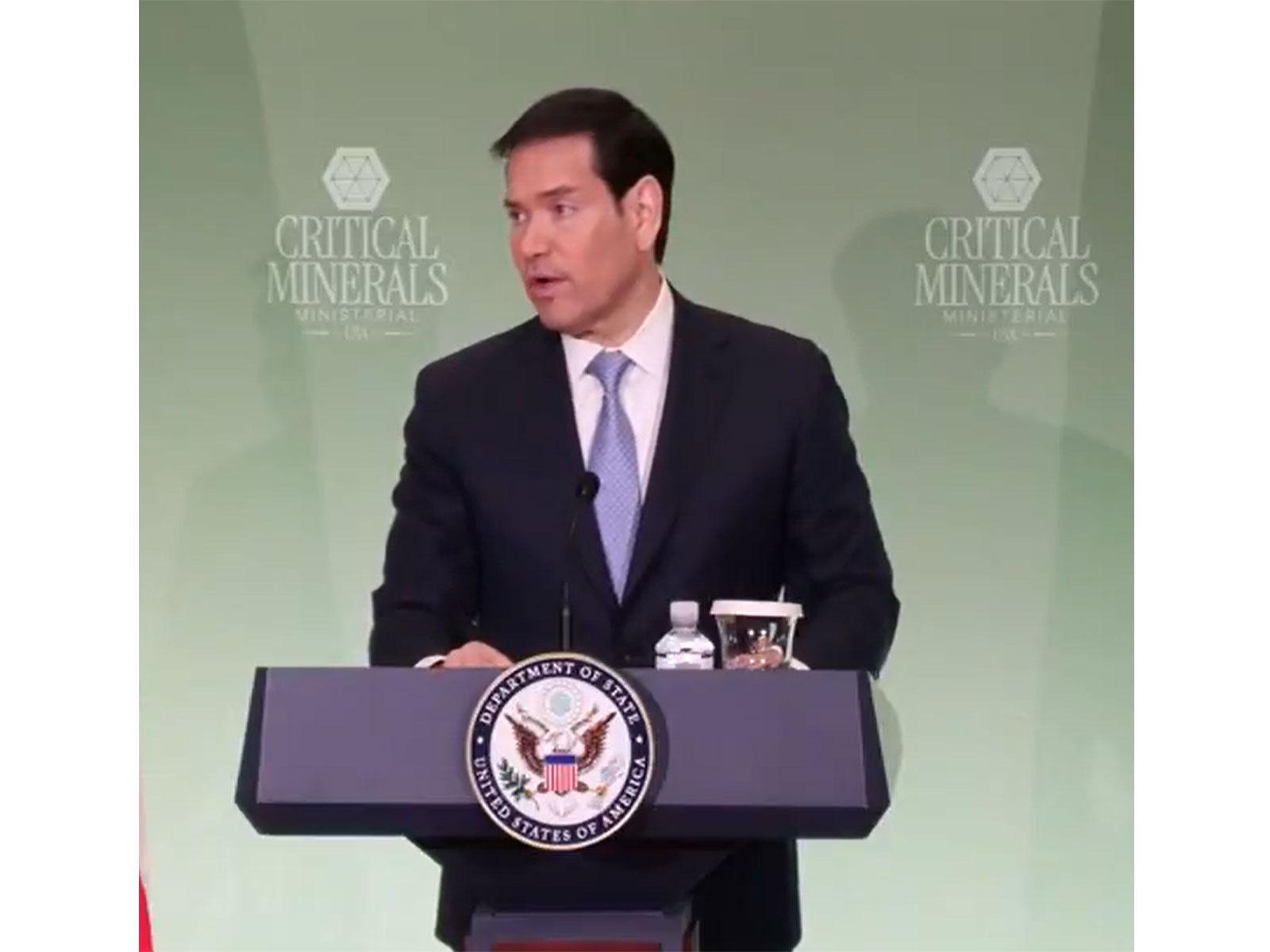
This event, convened by US Secretary of State Marco Rubio, brought together delegations from over 50 countries and is being viewed as a landmark moment in global supply chain diplomacy.
Ahead of the Ministerial, EAM Jaishankar shared photos of meeting Netherlands FM David van Weel, Italian FM Antonio Tajani of Italy, Mohamad Haji Hasan of Malaysia, Bahrain FM Abdullatif bin Rashid Al Zayani, Canadian FM Anita Anand, and FM Battsetseg Batmunkh of Mongolia, among others.
https://x.com/DrSJaishankar/status/2019065991641350644?s=20
https://x.com/DrSJaishankar/status/2019087032732307902?s=20
https://x.com/DrSJaishankar/status/2019056791061983539?s=20
https://x.com/DrSJaishankar/status/2019055747724701933?s=20
https://x.com/DrSJaishankar/status/2019051703400587769?s=20
https://x.com/DrSJaishankar/status/2019049915964334267?s=20
A primary goal of the ministerial is to diversify supply chains for rare earth elements and critical minerals (such as lithium, cobalt, and nickel) to reduce global overreliance on China, which currently dominates processing and mining.
The U.S. announced a new initiative to establish a strategic reserve of critical minerals. India's participation signals its intent to be a key partner in this first-ever global strategic stockpile.
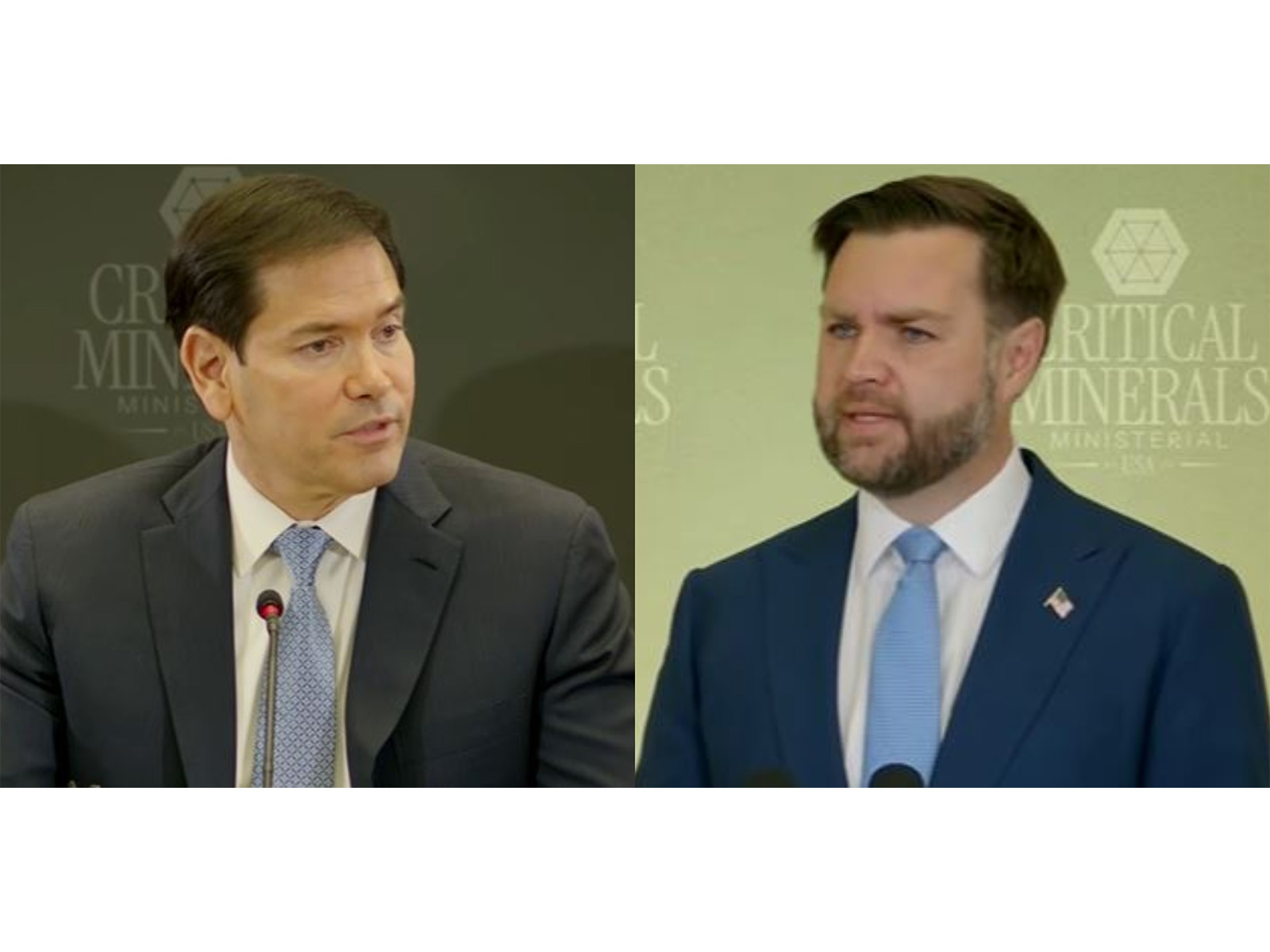
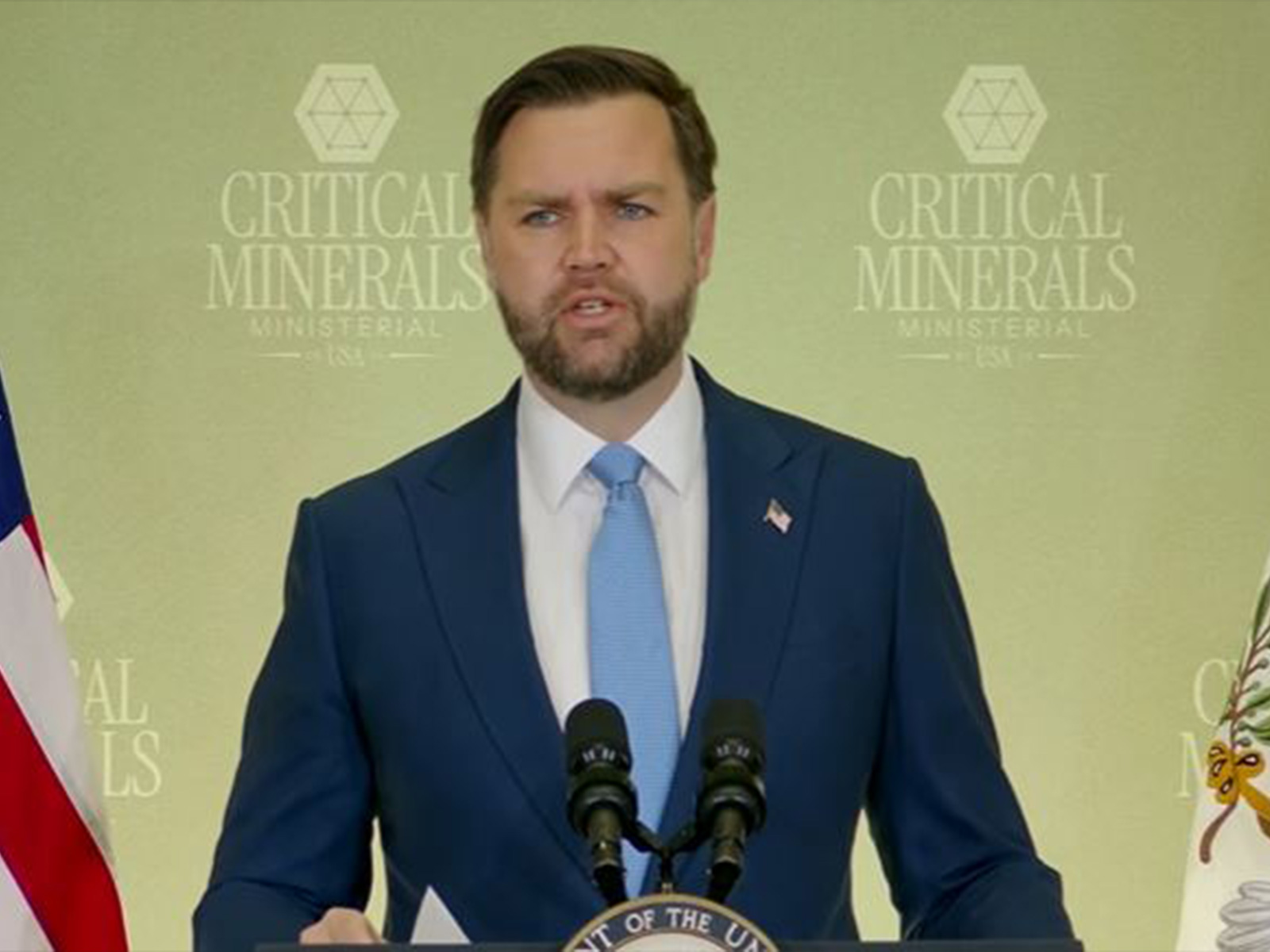
As the United States hosted the inaugural critical minerals ministerial on Wednesday, Vice President JD Vance suggested creating a preferential trade zone to protect critical minerals from external disruptions and called for establishing reference prices that reflect the real-world fair market value.
He said, "This morning, the Trump administration is proposing a concrete mechanism to return the global critical minerals market to a healthier, more competitive state. A preferential trade zone for critical minerals protected from external disruptions through enforceable price floors. We will establish reference prices for critical minerals at each stage of production. Pricing that reflects real-world fair market value. And for members of the preferential zone, these reference prices will operate as a floor, maintained through adjustable tariffs to uphold pricing integrity."
Vance emphasised the importance of allies in his remarks and said that the Ministerial aims to diversify global supply of critical minerals and to strengthen partners in this collective effort.
"We seek to make sure our friends and our allies are part of this and that you all are covered as well. Our goal here --and the reason we're doing this conference --is to align trade policy, development finance, and diplomatic engagement toward a shared strategic objective. And that objective is very simple: diversifying global supply in the critical minerals market while strengthening the partner countries who help all of us in this shared effort."
Vance hinted towards forming a trading block among allies and partners and said, "We want to eliminate that problem of people flooding into our markets with cheap critical minerals to undercut our domestic manufacturers because we know of course that as soon as they've undercut our domestic makers they--the domestic markets, they leave the market and the people who undercut them then jack up the price to a completely unfair level. We're going to fix that problem. Together, we want members to form a trading block among allies and partners, one that guarantees American access to American industrial might while also expanding production across the entire zone. The benefits will be immediate and durable. Regardless of how much material flows into the global market, prices within the preferential trade zone will remain consistent."
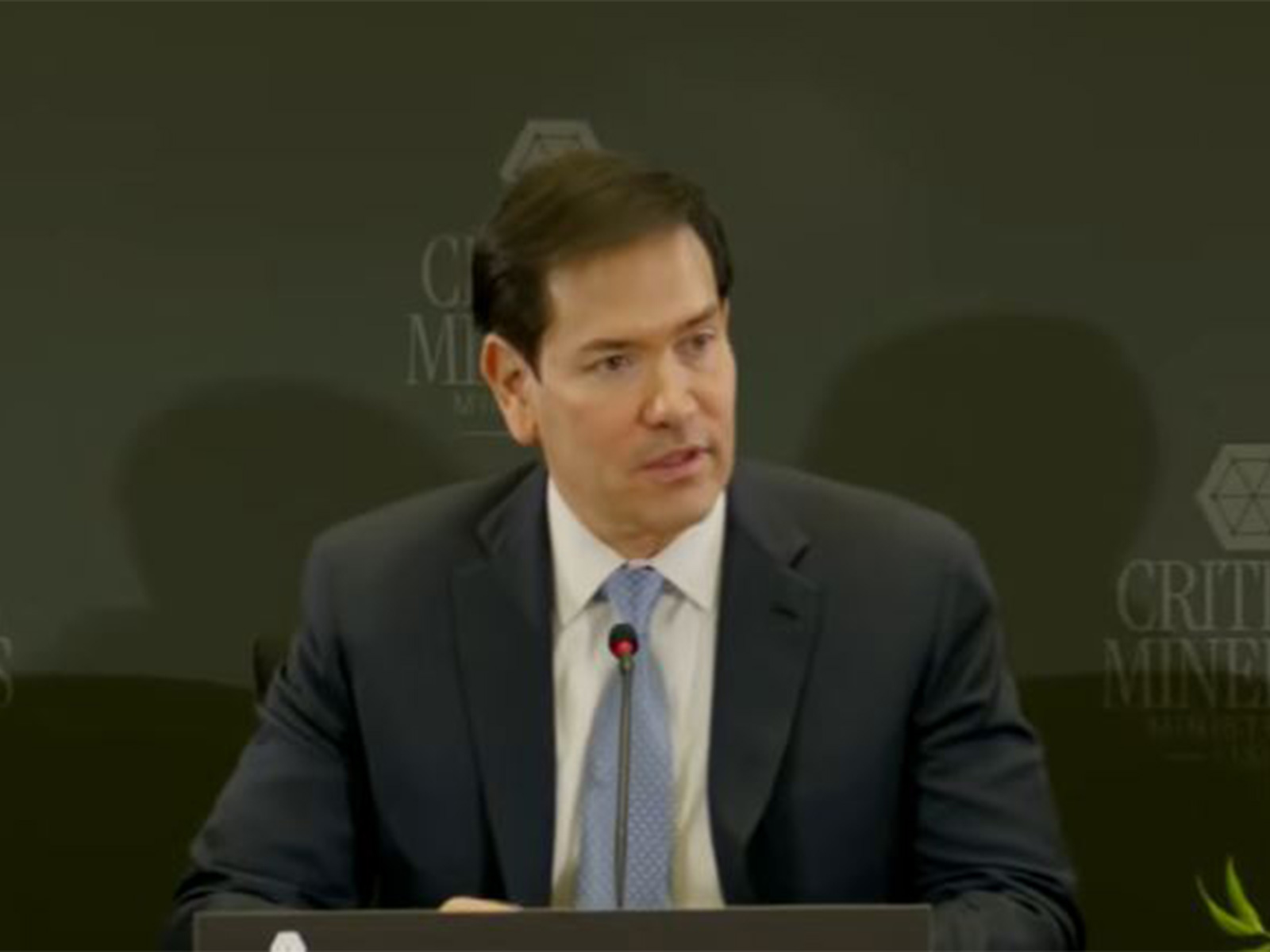
US Secretary of State Marco Rubio highlighted the importance of economic security through critical minerals and the need for allies to come together not only to rectify the mistakes of the past but to pool in collective talent and innovation to ensure diversity and affordability in supply chains.
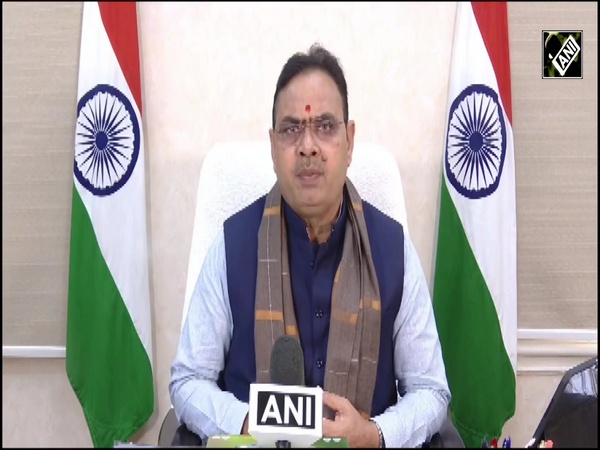
Jaishankar on Wednesday said "excessive concentration" in critical mineral supply chains poses a major global risk and called for structured international cooperation to "de-risk" them, as India deepens engagement with the US-led framework on strategic minerals.
In a post shared on X, Jaishankar said, "Spoke at the Critical Minerals Ministerial in Washington DC today. Underlined challenges of excessive concentration and the importance of de-risking supply chains through structured international cooperation. Highlighted India's efforts towards greater resilience through initiatives including the National Critical Minerals Mission, Rare Earth Corridors and responsible commerce. Conveyed India's support to the FORGE initiative on critical minerals."
Jaishankar's remarks come as India's engagement in the US-led critical minerals dialogue marks a decisive shift from strategic intent to industrial execution. The announcement of dedicated rare earth corridors in India's 2026 Budget is a particularly important signal, as it reflects a move beyond resource security toward building domestic processing, separation, magnet manufacturing, and downstream capabilities.
For India, the partnership is vital for its "Make in India" goals, particularly in electric vehicles (EVs), electronics manufacturing, and clean energy transitions, all of which require a steady, "trusted" supply of minerals.
The ministerial concluded with a commitment to "formalize" bilateral cooperation on mineral exploration, mining, and processing, moving India from a consumer to a central node in the global mineral ecosystem.