India must realign education, skilling, hiring for AI era: AI4India report
Jan 24, 2026
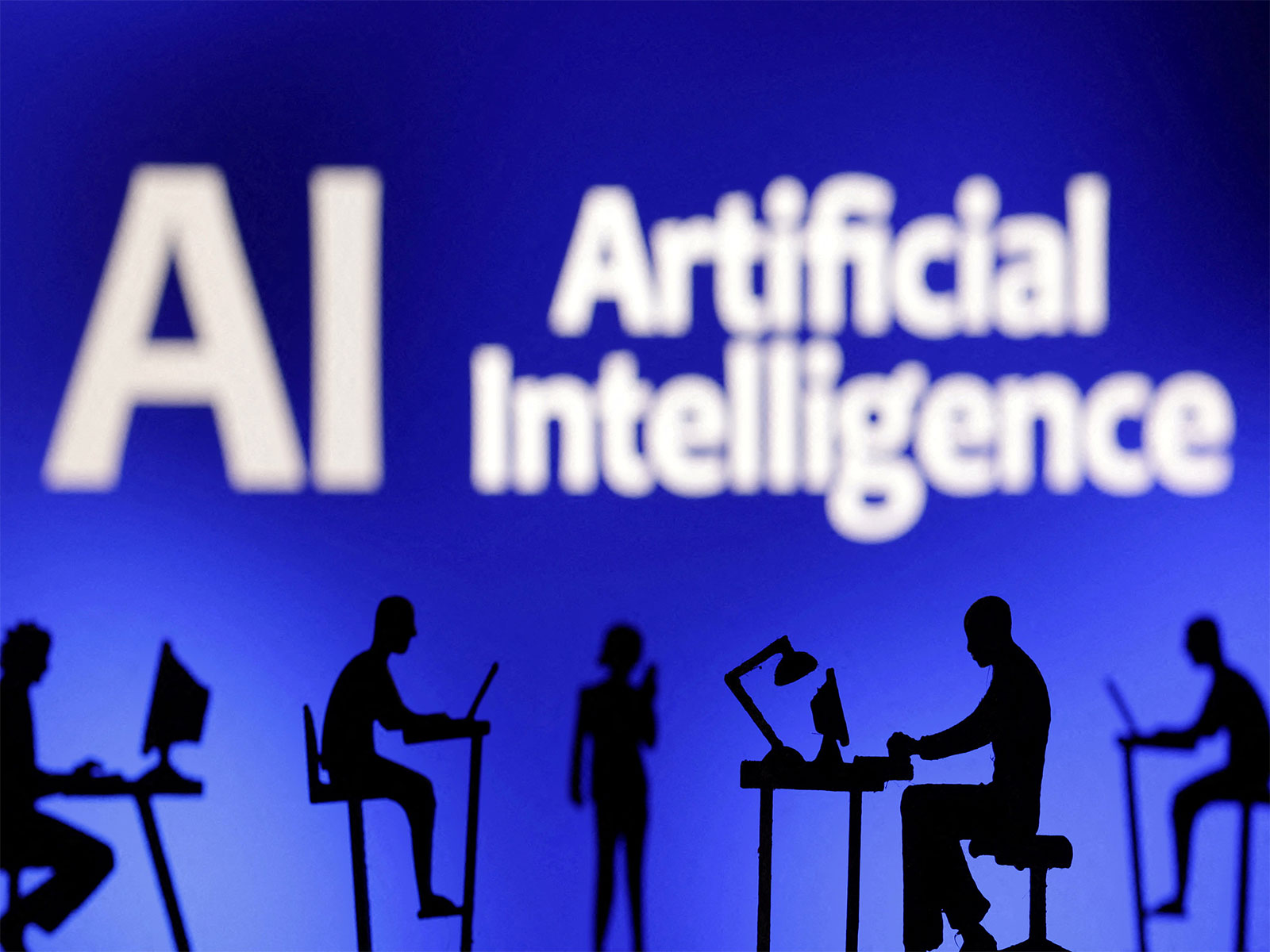
New Delhi [India], January 24 : India must urgently realign its education, skilling, and hiring systems to keep pace with the rapid transformation of work driven by artificial intelligence, according to a new report released by AI4India.
The recent study outlined a set of imperatives for policymakers, educational institutions, industry, and EdTech platforms, warning that fragmented or delayed responses could leave millions of graduates ill-prepared for the AI-era job market.
The report, Future of Employability in the Age of AI: India's Playbook for Students, Institutions, and Industry, draws on more than 85 interviews conducted between November and December 2025 with leaders from industry, academia, government, EdTech, staffing firms, and student communities.
The urgency of this research stems from three intersecting crises that, if left unaddressed in 2026, carry the risk of a fundamental decoupling of Indian higher education from the global economy with a direct impact on the employability of an entire generation of fresh graduates, it asserted.
At the policy level, the report urged the government to declare AI literacy a national baseline across disciplines, rather than confining it to technical education.
It also called for public funding of shared compute infrastructure and device-support schemes to address hardware gaps, particularly in Tier 2 and Tier 3 institutions.
Incentivising assessment reform, instead of banning AI use, and supporting Indic-language AI ecosystems are highlighted as critical steps to ensure inclusive participation in the AI economy in the report.
Also, universities and colleges are encouraged to shift from "policing" AI to actively teaching with it. This includes redesigning assignments to reflect real-world, AI-augmented workflows; guaranteeing minimum access to devices and compute; and investing in faculty training and communities of practice.
"Shift from policing AI to teaching with AI via redesigned assignments and transparent usage norms," the report read.
"Declare AI literacy a national baseline and integrate it across disciplines; Fund shared compute and device-support schemes to close hardware gaps; Incentivise assessment reform, not AI bans; Support Indic language AI ecosystems and Indian datasets. Set a goal for sovereign foundational models being developed by IndiaAI Mission to enable code generation using AI in any of the multiple Indian Languages; Professionalise AI pedagogy through recognised faculty certification," it suggested the policymakers.
Industry, particularly chief human resource officers (CHROs) and hiring leaders, is urged to play a more active role. The report recommended rewriting job descriptions to explicitly reflect AI-augmented responsibilities, adopting portfolio- and task-based hiring, and launching structured AI apprenticeships for early-career talent. Employers are also encouraged to co-design micro-curricula with universities and share anonymised use-case libraries to better align classroom learning with workplace realities.
EdTech and skilling platforms, meanwhile, are advised to move beyond tool-centric tutorials toward capability-building programmes that emphasise reasoning, evaluation, and multi-tool orchestration. The report stressed the importance of integrating Indian sectoral challenges into learning pathways and designing mobile-first, multilingual experiences suited to low-bandwidth environments.