India-Oman joint statement outlines roadmap for deeper cooperation across trade, energy, maritime security and people-to-people ties
Dec 18, 2025
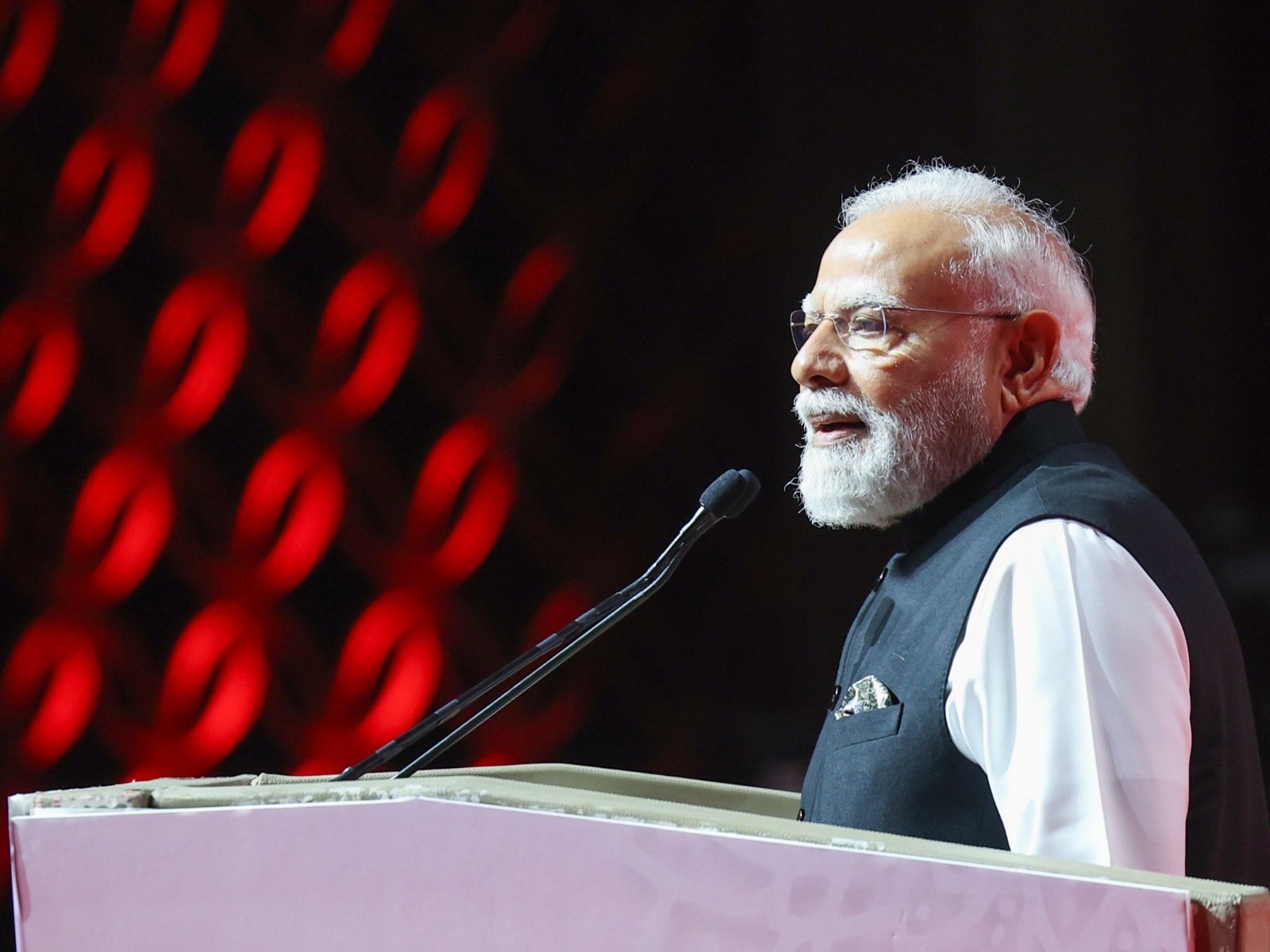
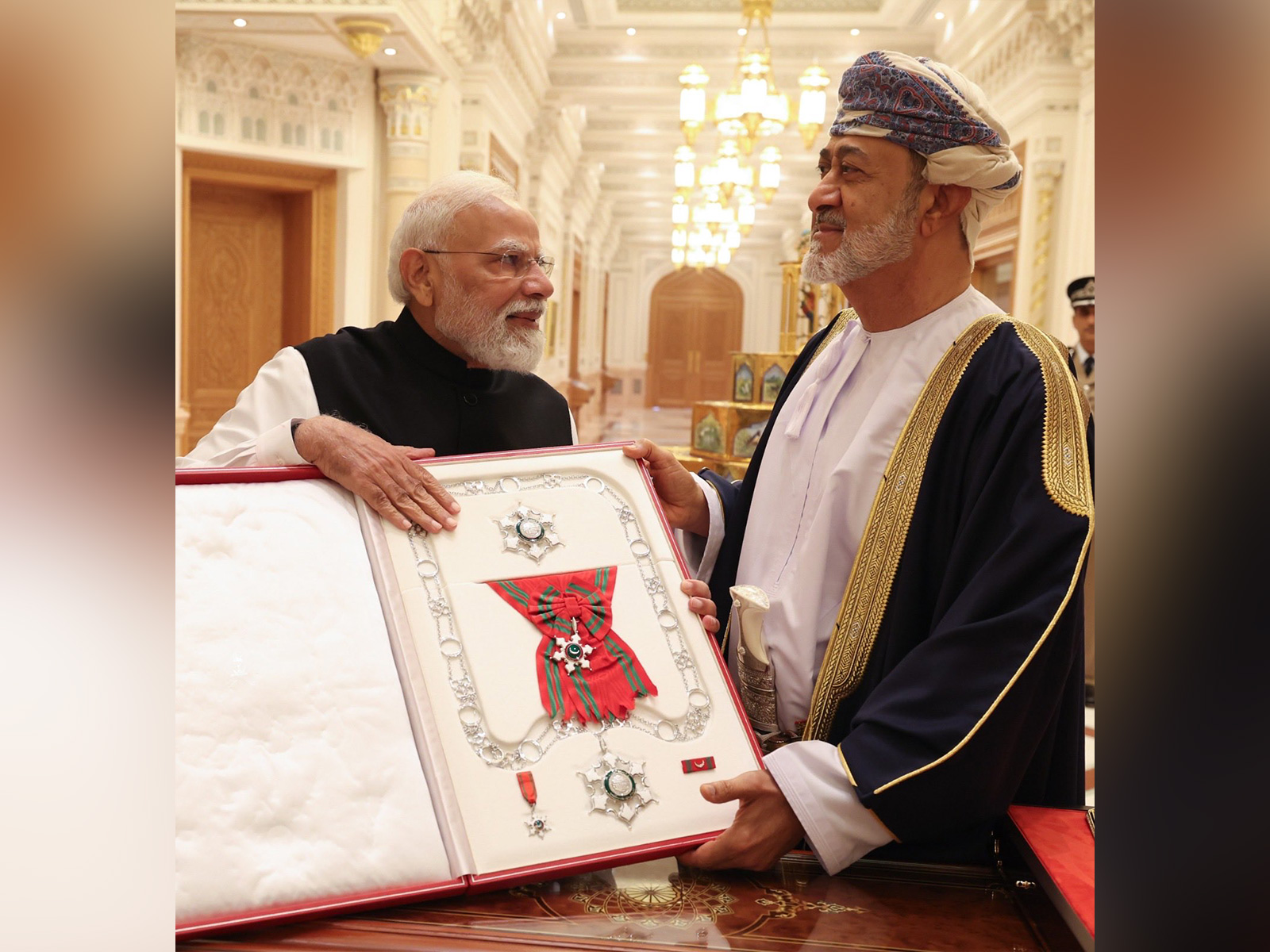
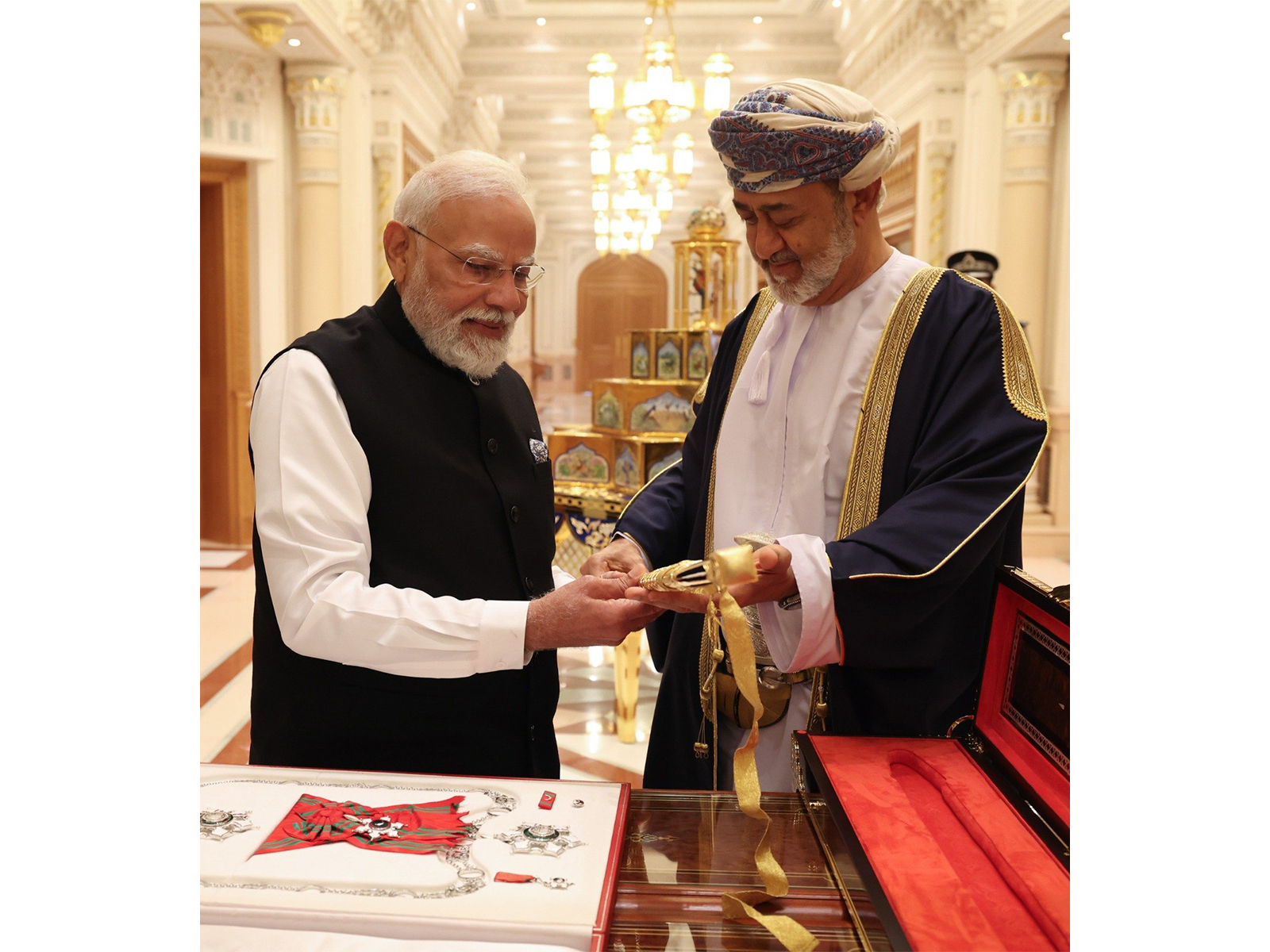
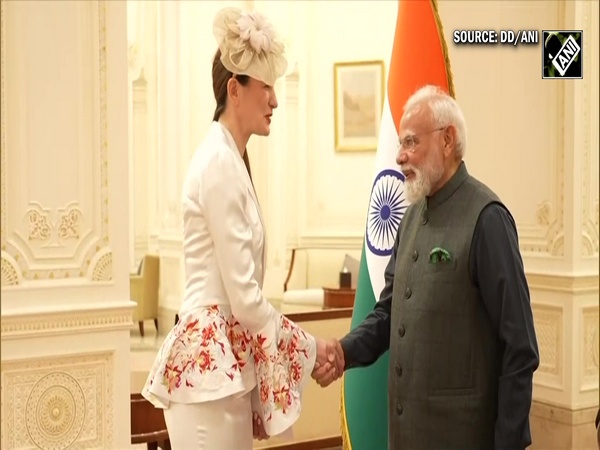
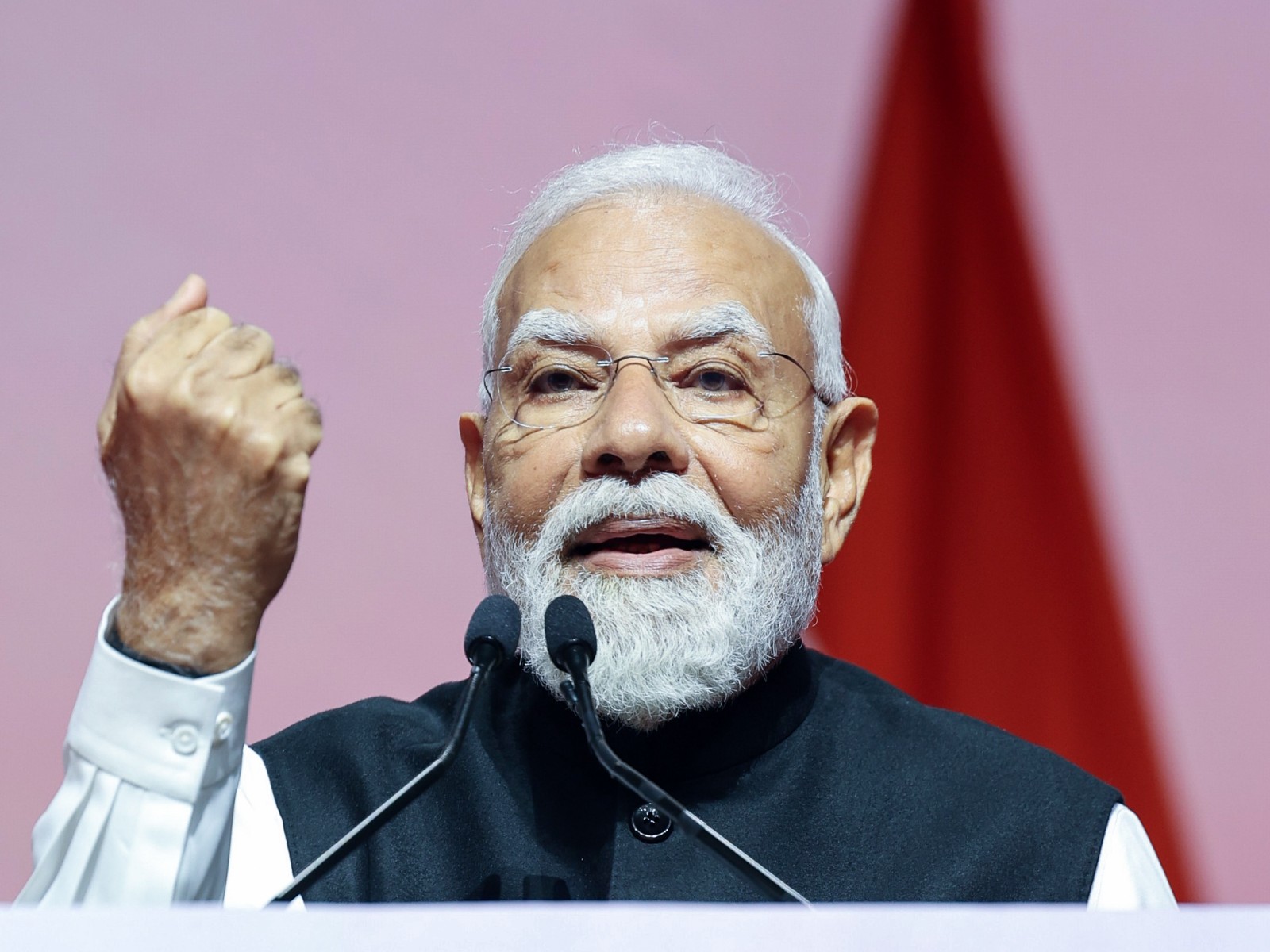
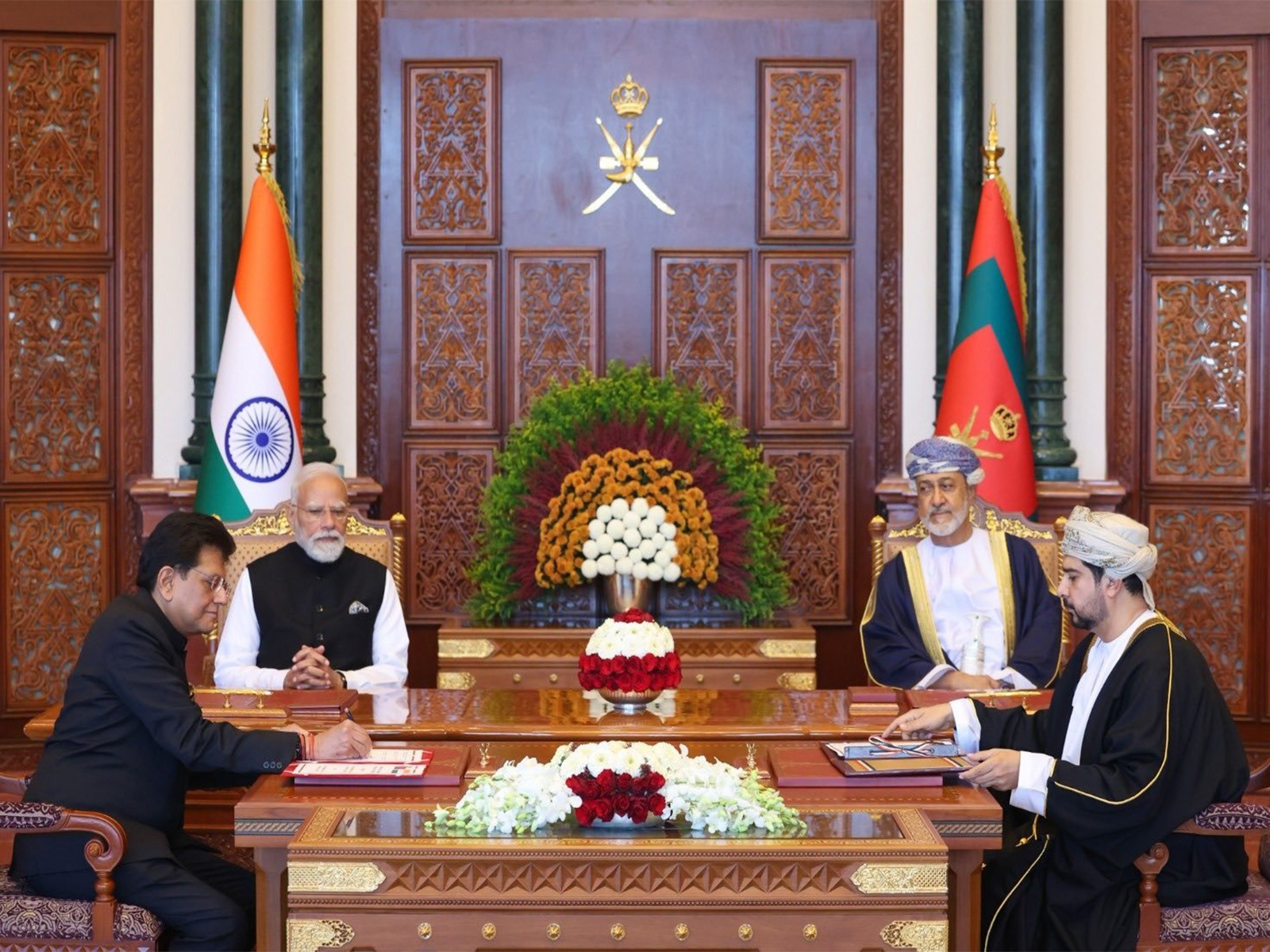
Muscat [Oman], December 18 : India and Oman on Thursday signed a Comprehensive Economic Partnership Agreement (CEPA) during Prime Minister Narendra Modi's official visit to the Sultanate from December 17-18, the Ministry of External Affairs said in a joint statement.
Alongside the CEPA, the two countries also adopted a Joint Vision Document on Maritime Cooperation, signalling a shared intent to further deepen engagement across economic, strategic and maritime domains.
According to the joint statement, the CEPA is aimed at lowering trade barriers and creating a predictable framework to expand trade and investment flows, while supporting job creation and encouraging greater private sector participation in both economies.
These agreements come as India and Oman seek to reinforce supply-chain resilience and strengthen investment linkages in the Gulf region. While India is positioning itself as a manufacturing and services hub, Oman is projecting its role as a logistics and energy gateway under Vision 2040.
Reflecting this broadening engagement, the joint statement described the bilateral relationship as a "multifaceted strategic partnership" between maritime neighbours.
Building on the economic focus, India and Oman reviewed opportunities to diversify bilateral trade, identifying sectors such as textiles, automobiles, chemicals, equipment and fertilisers as key areas for expansion. The two sides also took note of ongoing discussions on mechanisms to facilitate trade in local currencies.
To further strengthen the investment climate, the leaders welcomed progress on a proposed Bilateral Investment Treaty, noting that it would support an investor-friendly environment and provide greater confidence to businesses in both countries.
Energy cooperation featured prominently in the talks, with both sides exploring ways to expand collaboration in exploration and production activities in India and overseas. Discussions also covered cooperation in new and renewable energy, including green hydrogen and green ammonia, the statement said.
In this context, the two countries flagged proposals for joint investments, technology transfer and long-term collaboration aligned with their shared sustainable energy goals.
The leaders also agreed to deepen defence cooperation through joint exercises, training programmes and high-level exchanges, while enhancing maritime domain awareness and information-sharing to prevent maritime crimes and piracy.
Reinforcing this maritime focus, both sides adopted the Joint Vision Document on Maritime Cooperation, which links regional maritime security with blue economy priorities and the sustainable use of ocean resources.
The joint statement listed seven signings and adoptions during the visit, including the CEPA; memoranda of understanding on maritime heritage and museums, agriculture and allied sectors, and higher education; an MoU between the Oman Chamber of Commerce & Industry and the Confederation of Indian Industry; and an executive programme on millet cultivation and agri-food innovation.
The two sides also took note of proposals to establish an Ayush chair at Oman's National University of Science and Technology, an ICCR Chair Programme of Indian Studies at Sohar University, and the planned maiden voyage of INSV Kaundinya to Oman as part of maritime heritage outreach.
On connectivity, Oman expressed interest in discussions on air service traffic rights, including the number of destinations and code-sharing arrangements, with India noting the request.
India thanked Oman for ensuring the welfare of the Indian community of around 675,000 residents in the Sultanate, while Oman acknowledged the diaspora's contribution to the country's development, the statement said.
Both sides condemned terrorism "in all its forms and manifestations" and underscored their continued cooperation to address the threat.
The leaders also expressed concern over the humanitarian situation in Gaza, called for the safe and timely delivery of humanitarian assistance, welcomed the signing of the first phase of a Gaza Peace Plan, and reiterated support for efforts towards a just and lasting resolution, including a sovereign and independent Palestinian state.