India, Russia bolster cooperation for urban transformation at III Smart Cities Forum
Mar 24, 2026
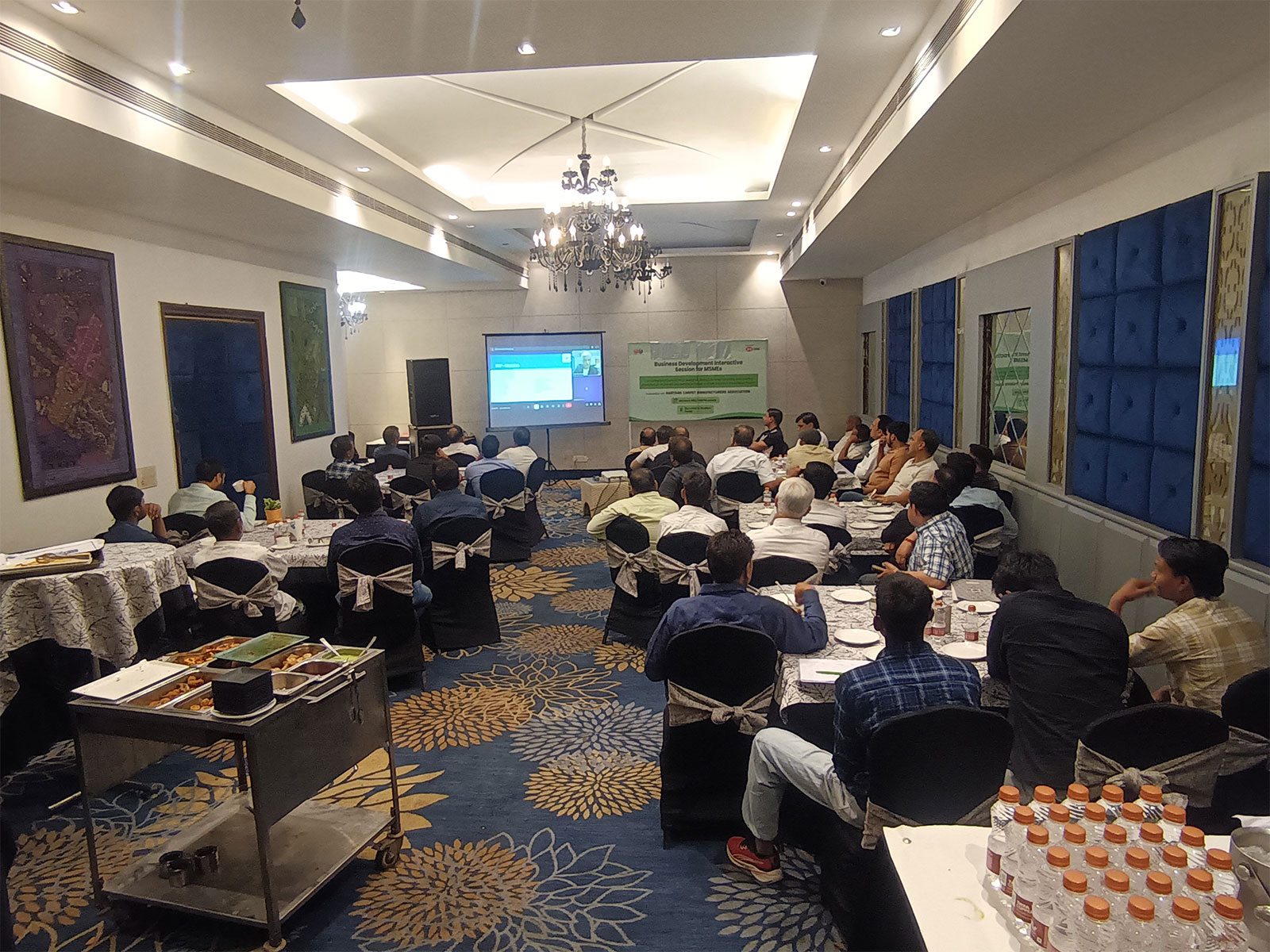
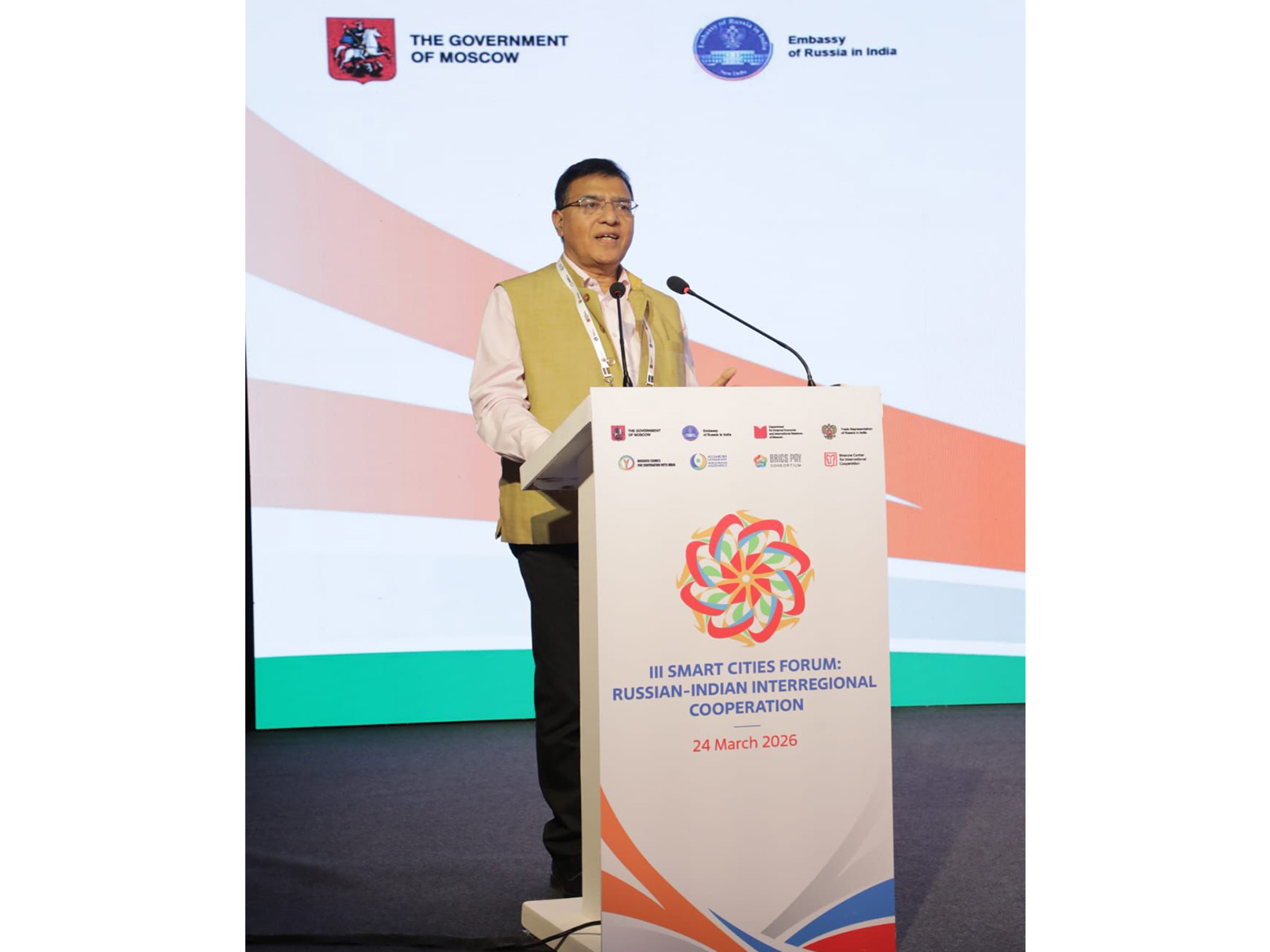
New Delhi [India], March 24 : The Russian-Indian Cooperation, held during the III Smart Cities Forum in New Delhi, brought together a high-level assembly of policymakers, industry experts, and global stakeholders to discuss the trajectory of sustainable, technology-driven urban development.
The Forum highlighted the role of cities as primary drivers of innovation and economic growth during the current era of digital transformation, while solidifying the strategic ties between India and the Russian Federation.
According to a press release from the III Smart Cities Forum, the session featured several prominent speakers, including Member of Parliament Ram Chander Jangra and the Ambassador of the Russian Federation to India, H.E. Denis Alipov.
Senior government officials from both India and Moscow participated in the deliberations, which were moderated by Alexey Bondaruk, the Head of the Moscow Center for International Cooperation. The discussions focused on how bilateral cooperation can address the challenges of modern urbanization through shared digital and physical infrastructure solutions.
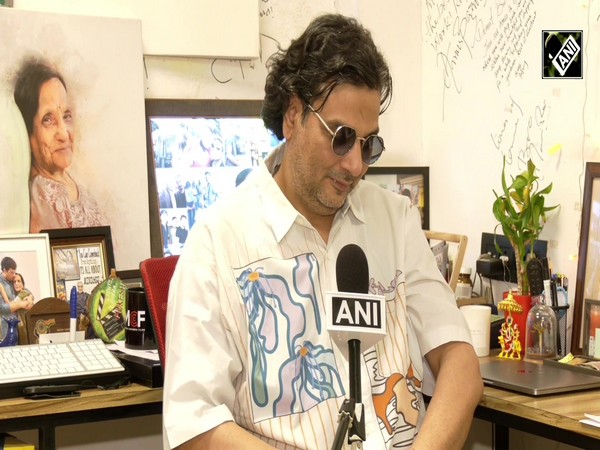
Rajeev Jain, the former Director General of the Press Information Bureau and former DG at the Ministry of Housing and Urban Affairs, provided a detailed overview of the transformative nature of India's Smart Cities Mission.
He noted that the initiative evolved beyond simple infrastructure to focus on the aspirations of the urban population. "Smart Cities are not just about roads and technology--they are about changing mindsets and igniting belief among people that world-class urban living is possible in India," Jain said during his address. He explained that the strategy utilized area-based development and pan-city solutions to create a visible impact across the country.
The operational scale of the mission remains significant, with Jain stating that India successfully operationalised 100 Smart Cities. To date, over 8,000 projects received sanction, and more than 7,500 of those reached completion, marking a 94 per cent implementation rate.
This progress involved investments exceeding Rs 1.5 lakh crore, which facilitated the functional rollout of Integrated Command and Control Centres across all participating cities. Jain noted that these centres served as critical hubs for data-driven governance and proved vital during the COVID-19 pandemic.
The Forum highlighted specific regional successes to illustrate this urban evolution. In Indore, scientific waste management triggered a behavioural shift in cleanliness, while Visakhapatnam strengthened its position as a resilient coastal tourism hub. Urban interventions in Jammu & Kashmir reportedly improved public spaces and reinforced local confidence.
Meanwhile, digital governance and mobility solutions helped bridge geographic gaps in Northeastern cities like Shillong, Agartala, and Aizawl. In Udaipur, modern planning was successfully integrated with heritage conservation.
Jain observed that the transformation is now largely driven by the citizens themselves. He stated that when people experience improved services, their rising expectations accelerate further systemic changes.
Looking toward the future, the Forum identified priorities such as scaling smart solutions city-wide, increasing climate resilience, and strengthening urban local bodies. Jain concluded by noting that the initiative reflects a broader national shift, stating, "This is not just the story of Smart Cities--it is the story of a New India driven by aspiration, innovation, and collective progress."
The event also explored financing models and future opportunities for India and Russia to collaborate on digital systems and sustainable infrastructure.