India set to become third largest economy in the next few years: Ashwini Vaishnaw
Jan 21, 2026
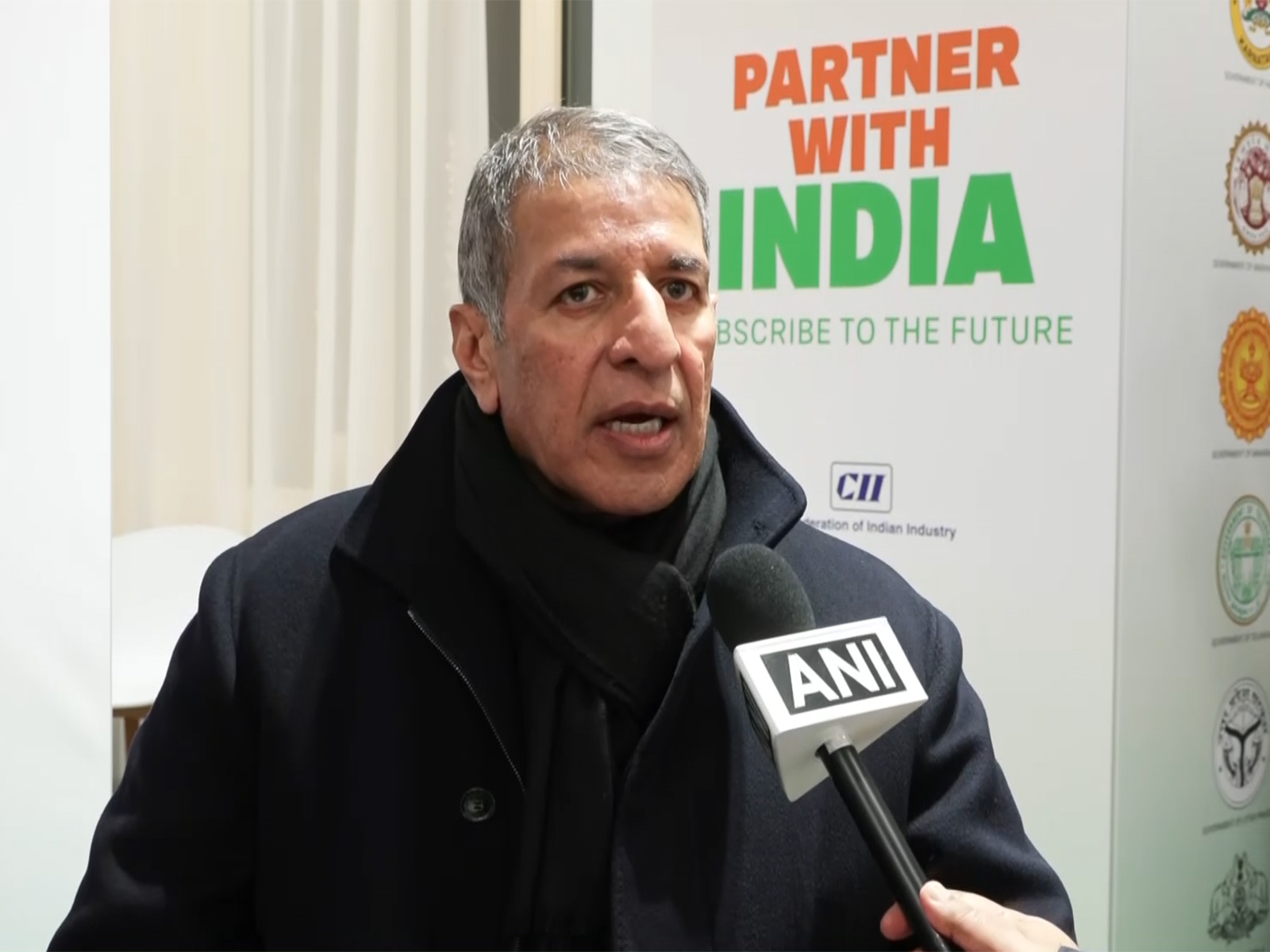
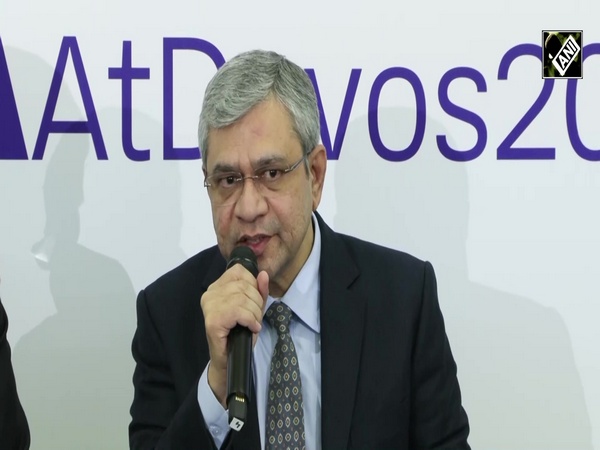
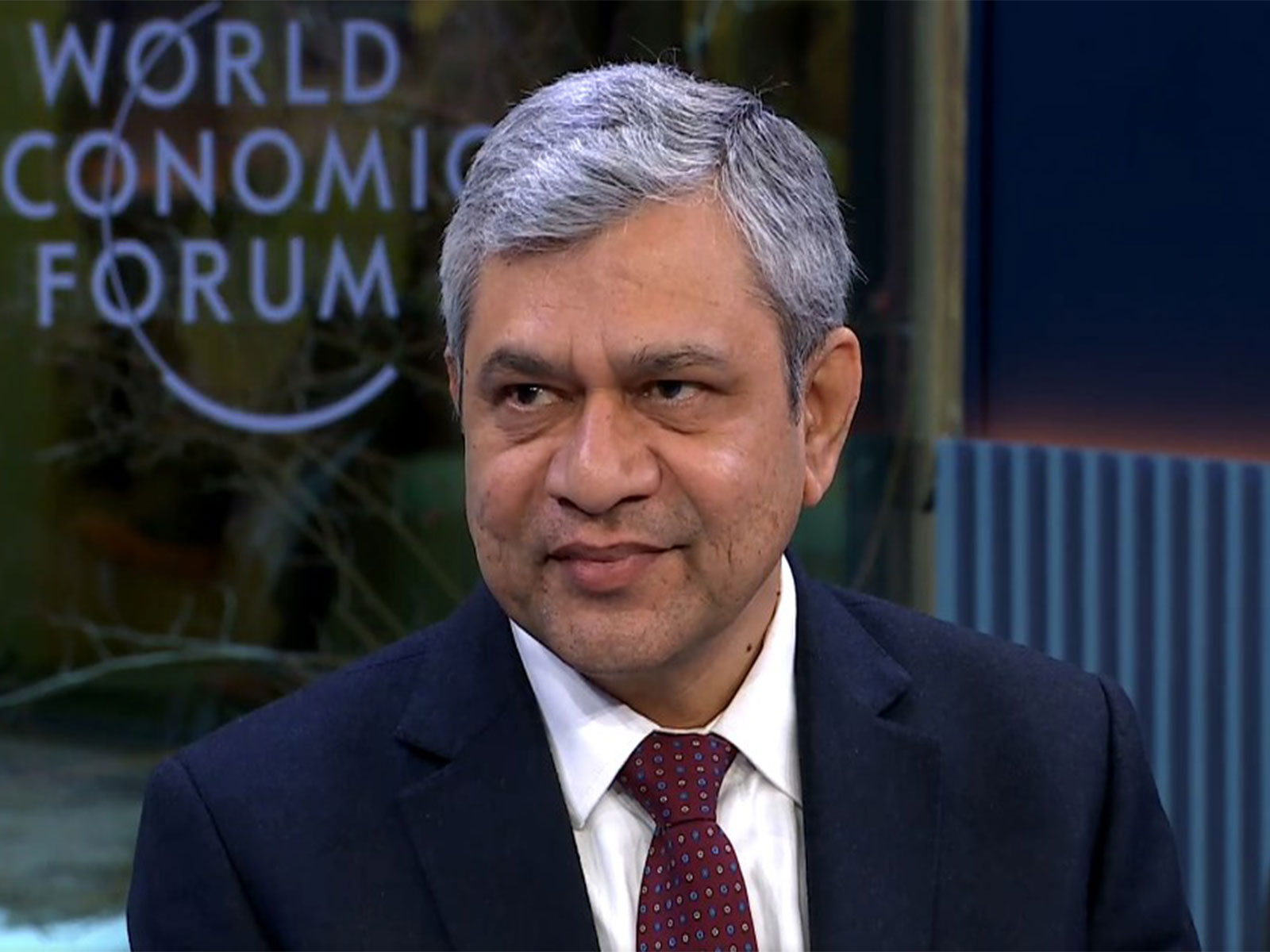
Davos [Switzerland], January 21 : Union Minister Ashwini Vaishnaw on Wednesday stressed that India is poised to become the world's third-largest economy in the next few years, driven by a decade of "well thought-through" structural changes and focused execution.
Speaking at the World Economic Forum 2026, Union Minister Vaishnaw outlined a trajectory where the nation is expected to maintain a real growth rate of 6 to 8 per cent. He attributed this momentum to four strategic pillars: massive public investment in physical, digital, and social infrastructure; inclusive growth ensuring the "entire society grows alongwith the growth of the country"; a push for manufacturing and innovation; and a rigorous drive toward simplification.
"All this, combined with the base of technology that we have put in, we can very clearly say that India is going to grow with 95 per cent confidence interval in the next five years," Vaishnaw stated, highlighting that the "security of the poorest comes as a priority."
Economist Gita Gopinath concurred with this outlook, noting that "it's a matter of a few years" before India reaches this milestone, barring a catastrophic event. She pointed out that based on current math relative to other major economies, "India gets there by 2028," and potentially sooner depending on upcoming GDP rebasing.
However, Gopinath emphasised that the true challenge is not just the aggregate size of the economy but "raising per capita incomes to higher levels" to meet the 2047 goal of a developed India. While she lauded the "impressive" infrastructure build-out and GST reforms, she cautioned that sustaining this momentum requires addressing deep-seated bottlenecks in land, labour, and the judicial system.
A significant concern raised during the discussion was the impact of global instability on India's domestic success. Vaishnaw flagged the "mountains of debt" in the rich world as a primary external threat.
"What's really a matter of concern on our mind is the global debt, which is there in the rich world and how that debt will unravel," the minister said, citing a recent "run on the bonds" in Japan as a cautionary example.
He warned that if such fiscal instability occurs on a larger scale, the ripple effects on India's growth journey would be a serious matter of concern, despite the country's strong domestic fundamentals and moderate inflation.
On the domestic front, structural reforms in land and labour remain critical for long-term productivity. Gopinath described the difficulty of acquiring land and securing clean titles as a "tremendous challenge" and a "constraint on growth." She also highlighted a mismatch in the labour market, noting that only about 30 per cent of India's growth since the 1980s has come from labour, indicating a "fairly capital-intensive production structure."
To harness the demographic dividend, she argued that "labour market flexibility is critical" alongside a massive push for skilling. "It's not just about the fact the firms aren't creating jobs, there is a mismatch between what jobs can be created and the skill of the labour force," she explained.
In response to these challenges, Minister Vaishnaw reiterated the government's commitment to "cooperative federalism," pointing to successful reform templates being established in states like Andhra Pradesh and Maharashtra. He noted that the implementation of labour reforms and the opening of sectors like nuclear energy to private players are "major, major, major" steps toward modernisation.
Inviting global participants to share their feedback on remaining hurdles, Vaishnaw concluded, "We are here to be the catalyst for your growth in India."