India to import more soybean oil, reduce tariffs on fruits; dairy sector untouched: Robinder Sachdev on India-US interim agreement
Feb 07, 2026
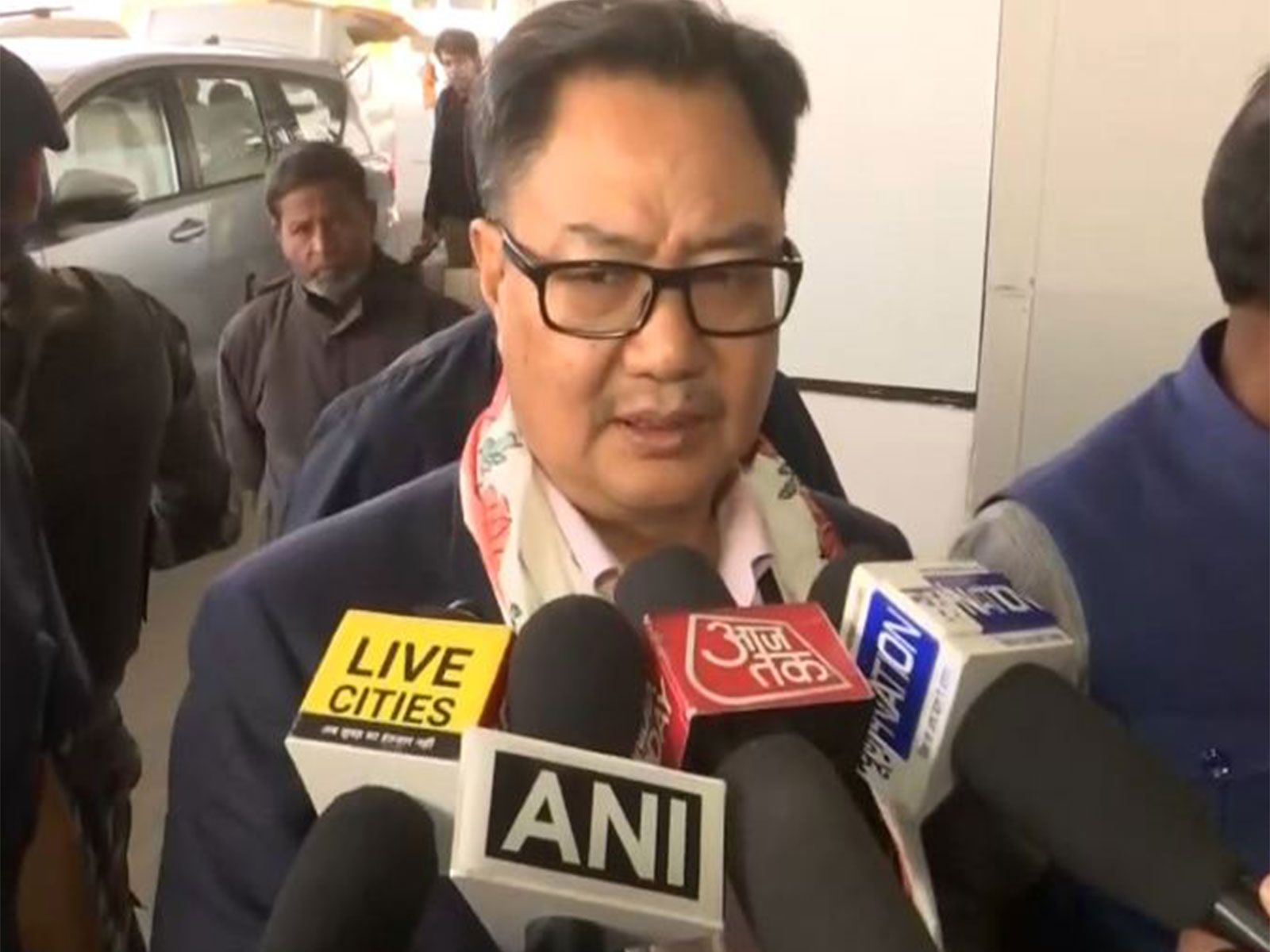
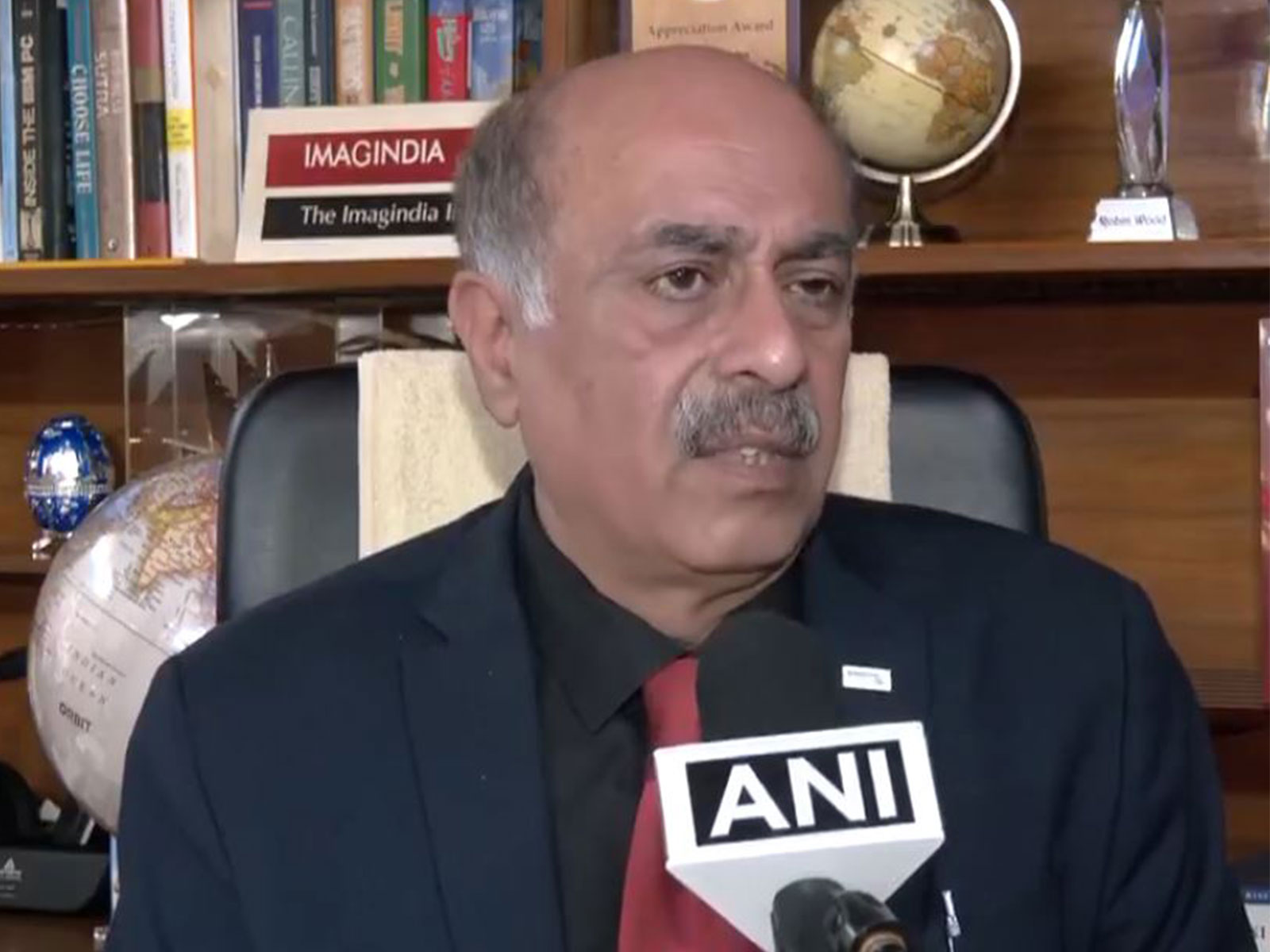
New Delhi [India], February 7 : Foreign affairs expert Robinder Sachdev on Saturday highlighted that agriculture remained India's most sensitive sector. To secure the interim deal, India is opening specific doors while keeping others (like dairy) firmly shut for now.
Speaking to ANI, Sachdev said that India intended to increase imports, which could impact local pricing and production, and that tariff reductions on American produce would mean more competition for domestic growers but more variety for Indian consumers.
"The key issue was agriculture, or the opening of India's agricultural sector. They have been protecting it broadly... There's no mention of dairy in the first statement... The key point is that, in agriculture, India will increase soybean oil imports and reduce tariffs on fresh fruits. These are two subsectors in India's agriculture sector that could be affected...," he said.
Notably India-US Interim Agreement states that India will eliminate or reduce tariffs on all U.S. industrial goods and a wide range of U.S. food and agricultural products, including dried distillers' grains (DDGs), red sorghum for animal feed, tree nuts, fresh and processed fruit, soybean oil, wine and spirits, and additional products.
Tariffs on almonds, walnuts, pistachios, and apples are reduced. While this increases competition for high-value horticultural farmers in regions such as Kashmir and Himachal Pradesh, many of these items were already being imported in large volumes to meet high domestic demand.
The agreement creates a "two-way street" for the fruit industry, balancing new export opportunities with strict domestic protections: New Export Opportunities: Indian fruit growers gained zero-duty access to the $30 trillion US market for several high-value products. These include tropical fruits: mangoes, bananas, guavas, pineapples, papayas, and avocados.
To safeguard domestic livelihoods, the Indian government excluded several "sensitive" fruits and vegetables from tariff concessions. Concessions were specifically denied for strawberries, cherries, citrus fruits, and pulses, including green peas and kabuli chana.
While India granted some quota-based concessions for US apples, it maintained a Minimum Import Price (MIP) of ₹80 per kg and a 25% import duty. This ensures that US apples priced below ₹100 per kg cannot enter the Indian market, protecting local Himalayan orchards from being undercut by cheaper imports.
Moreover, while addressing a press conference on the India-US Joint Statement, Minister Goyal said, "Agricultural products from Indian farmers will be exported to the United States at zero duty. At the same time, no tariff concessions have been granted to US agricultural products entering the Indian market. The agreement also makes it clear that genetically modified (GM) food will not be allowed into India."
"I can state categorically and without any hesitation that India's farmers, MSMEs, artisans, and craftsmen will not suffer any loss. On the contrary, India will benefit from greater access to the US market," the minister said.
Robinder Sachdev also highlighted Russian oil imports and said that India's shift away from Russian oil isn't merely a diplomatic gesture; it's a matter of maths. Current tariffs are 50%, but proposed US legislation could increase them to 500%.
"Our reasons for reducing Russian oil imports are clear: the tariffs we face are 50%, and there could be another 500% tariff, as a bill in the US Senate and House... An 18% tariff is fine," he said.
Sachdev also clarified the "noise" around the half-trillion-dollar figure, noting that we are looking at two distinct concepts: bilateral trade by 2030 and India's $500B purchase of US goods (energy, aircraft, tech) over 5 years.
"The other issue is the $500 billion figure. There is confusion about this number on two counts. The $500 billion bilateral trade target is different. This 2030 target has been discussed since Joe Biden was vice president... The other mention of $500 billion is that India intends to purchase $500 billion in goods from the US over five years. This is a separate discussion... India will import goods from the US over the next five years, including energy - definitely oil and gas - and aircraft, precious metals, and rare-earth critical minerals if the US is able to provide them... That is the intention of India. India has not committed to buying $500 billion in American goods over the next five years...," he said.
India has expressed intent to purchase $500 billion in American goods--ranging from critical rare-earth minerals to Boeing jets--but has not made a formal, binding commitment.
India is essentially signalling its willingness to become a primary customer for American energy and high-tech sectors to offset the geopolitical risks of its current trade stack. However, the "Buy American" push will depend heavily on the US's ability to actually supply critical minerals and the domestic political appetite in India for agricultural shifts.