India, UAE set USD 200 billion bilateral trade target by 2032
Jan 19, 2026
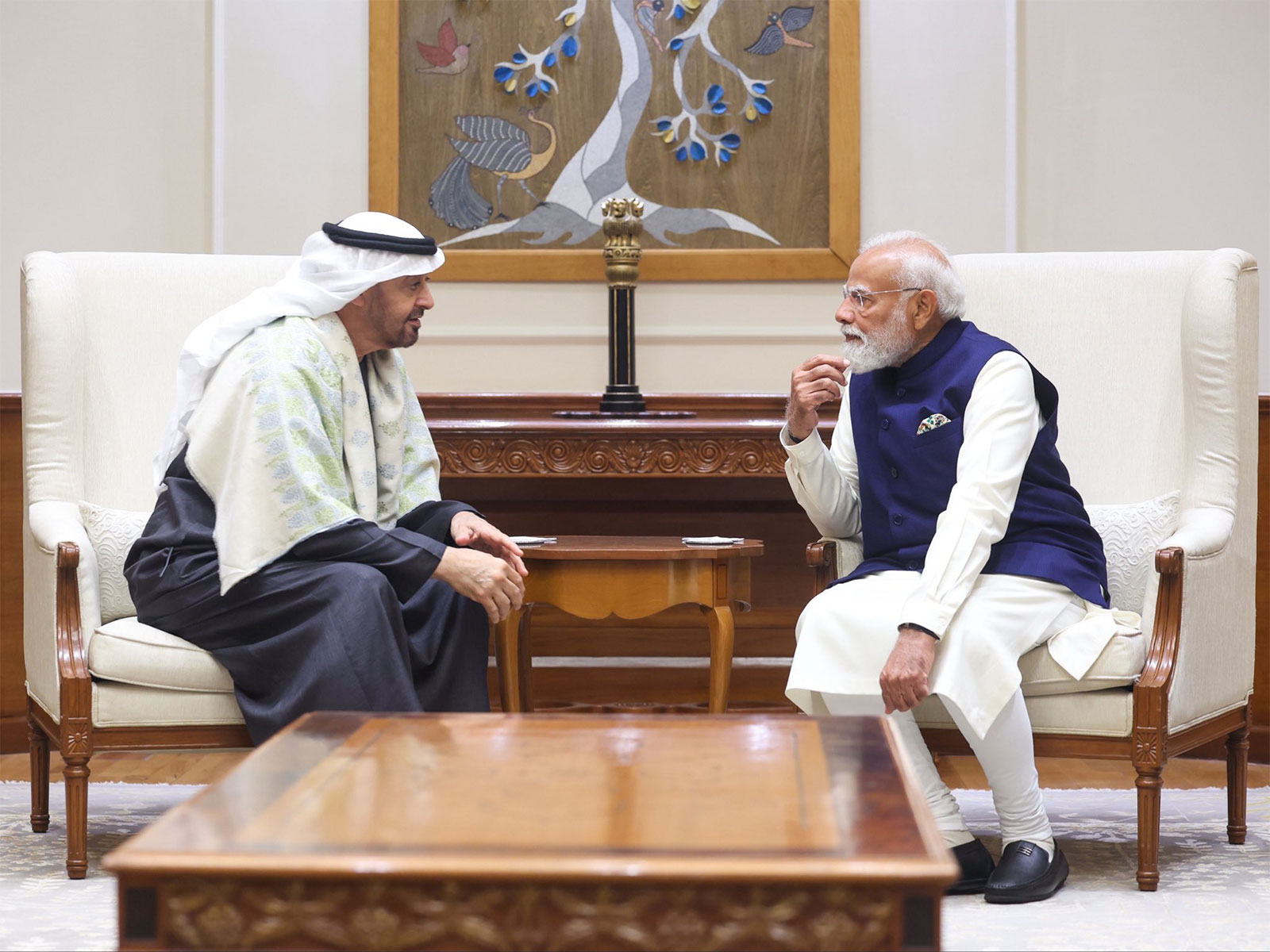
New Delhi [India], January 19 : India and the United Arab Emirates on Monday unveiled a dozen outcomes at the end of UAE President Sheikh Mohamed bin Zayed Al Nahyan's visit, including a roadmap to more than double bilateral trade to over USD 200 billion by 2032 and expand cooperation in advanced nuclear technologies such as large nuclear reactors and small modular reactors.
Prime Minister Narendra Modi also invited UAE sovereign wealth funds to consider joining the second Infrastructure Fund, scheduled for launch in 2026.
The announcements were made after the conclusion of the UAE President's visit to New Delhi on Monday evening. The engagement, which lasted a little over three hours, was described by the Indian side as a "short but extremely substantive visit".
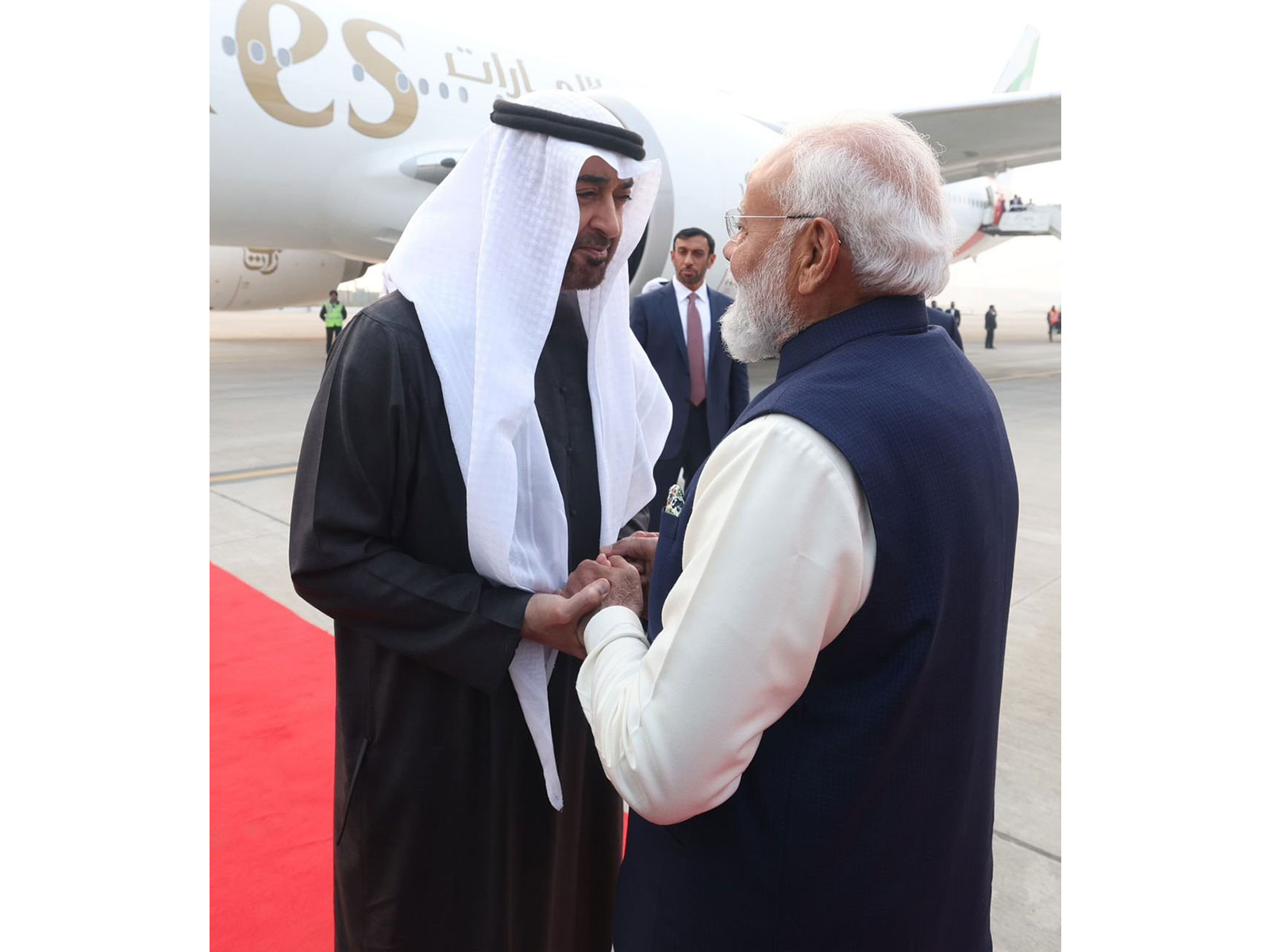
According to a joint statement, underscoring the close ties between the two leaders, the UAE President was personally received at the Delhi airport by Prime Minister Modi, which the Indian side termed "a special gesture that is characteristic of the extremely warm and close relationship that the two leaders share".
Among the key outcomes was a long-term agreement under which Hindustan Petroleum Corporation Limited (HPCL) will purchase 0.5 MMPTA of liquefied natural gas from Abu Dhabi National Oil Company Gas (ADNOC Gas) for a 10-year period beginning in 2028.
The two sides also announced that UAE companies First Abu Dhabi Bank and DP World will set up offices and operations in Gujarat's GIFT City. While First Abu Dhabi Bank will establish a branch to support trade and investment linkages, DP World will operate from GIFT City, including leasing ships for its global operations, the statement read.
Investment cooperation was further strengthened through a Letter of Intent signed between the Government of Gujarat and the UAE Ministry of Investment for the development of the Dholera Special Investment Region in Gujarat.
The partnership will include the development of strategic infrastructure, such as an international airport, a pilot training school, a maintenance, repair, and overhaul facility, a greenfield airport, and a smart urban township, along with projects related to railway connectivity and energy infrastructure.
Beyond trade and investment, both sides also signed agreements to deepen cooperation in areas such as space, defence and food safety. UAE's G42 company will support the establishment of a supercomputing cluster in India.
The two countries will also explore establishing digital data embassies and a 'House of India' in Abu Dhabi.
Under the plan to expand trade to over USD 200 billion by 2032, both sides will focus on connecting micro, small, and medium enterprises and opening new markets through initiatives such as Bharat Mart, the Virtual Trade Corridor, and Bharat-Africa Setu.
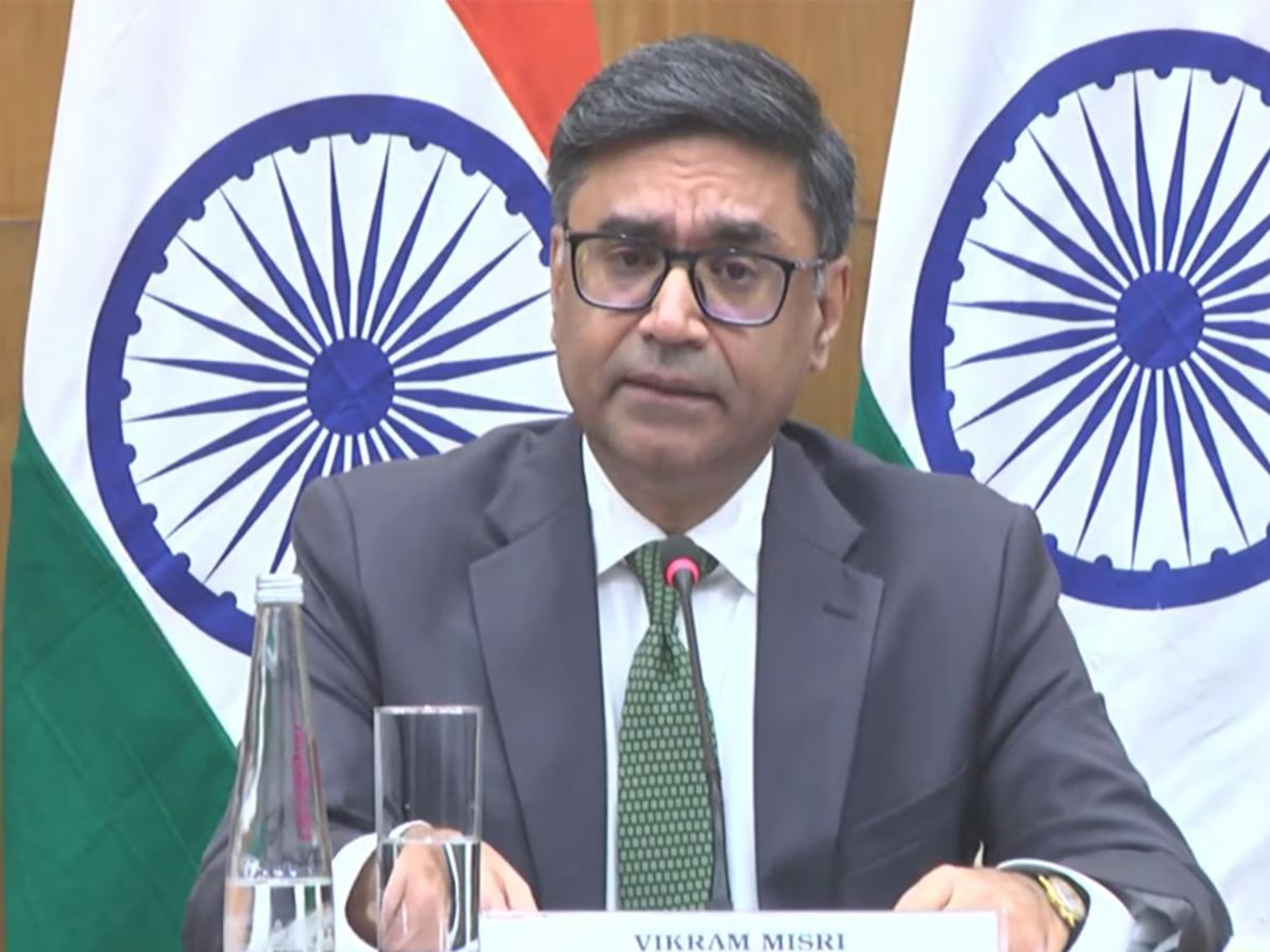
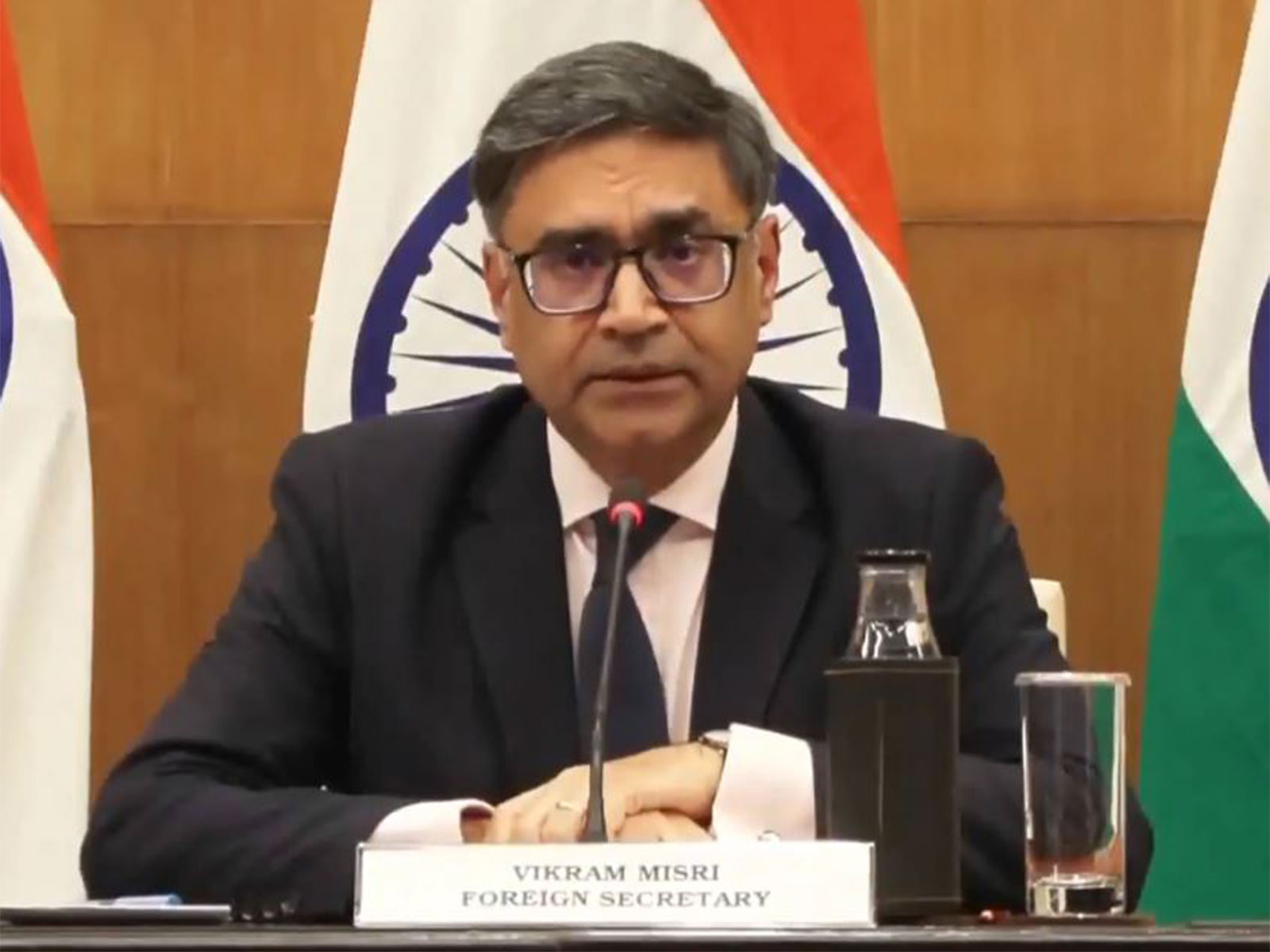
This was Al Nahyan's fifth visit to India in the last 10 years and his third official visit as UAE President. Later in the evening, Foreign Secretary Vikram Misri, while addressing a media briefing, highlighted the high-powered UAE delegation that accompanied the President.
India and the UAE signed the Comprehensive Economic Partnership Agreement (CEPA) in 2022, and noted rapid growth in bilateral trade, which reached USD 100 billion in FY25.
"Buoyed by the enthusiasm of the business communities on both sides, they decided to double bilateral trade to target USD 200 billion by 2032," the joint statement said.
In the context of India's Sustainable Harnessing and Advancement of Nuclear Energy for Transforming India (SHANTI) law, the two sides agreed to explore cooperation in advanced nuclear technologies, including the development and deployment of large nuclear reactors and small modular reactors. The engagement will also cover advanced reactor systems, nuclear power plant operations and maintenance, and nuclear safety.
The leaders also tasked their teams with working towards interlinking national payment platforms to enable efficient, fast and cost-effective cross-border payments.