India-US interim trade deal, tariff reduction to boost chemical sector exports: Indian Chemical Council
Feb 10, 2026
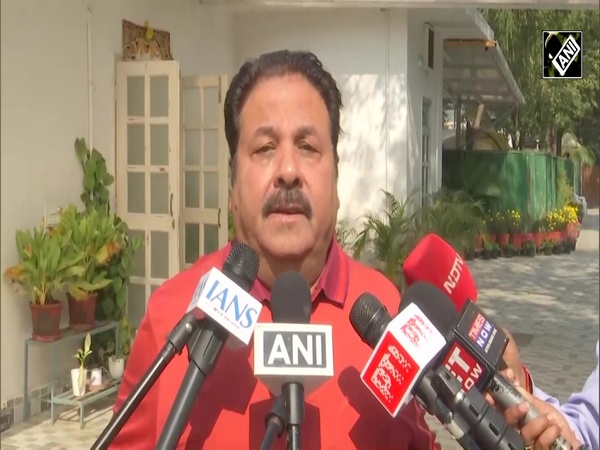
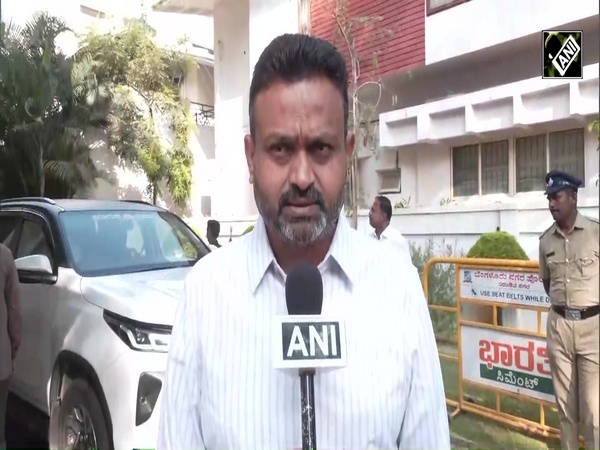
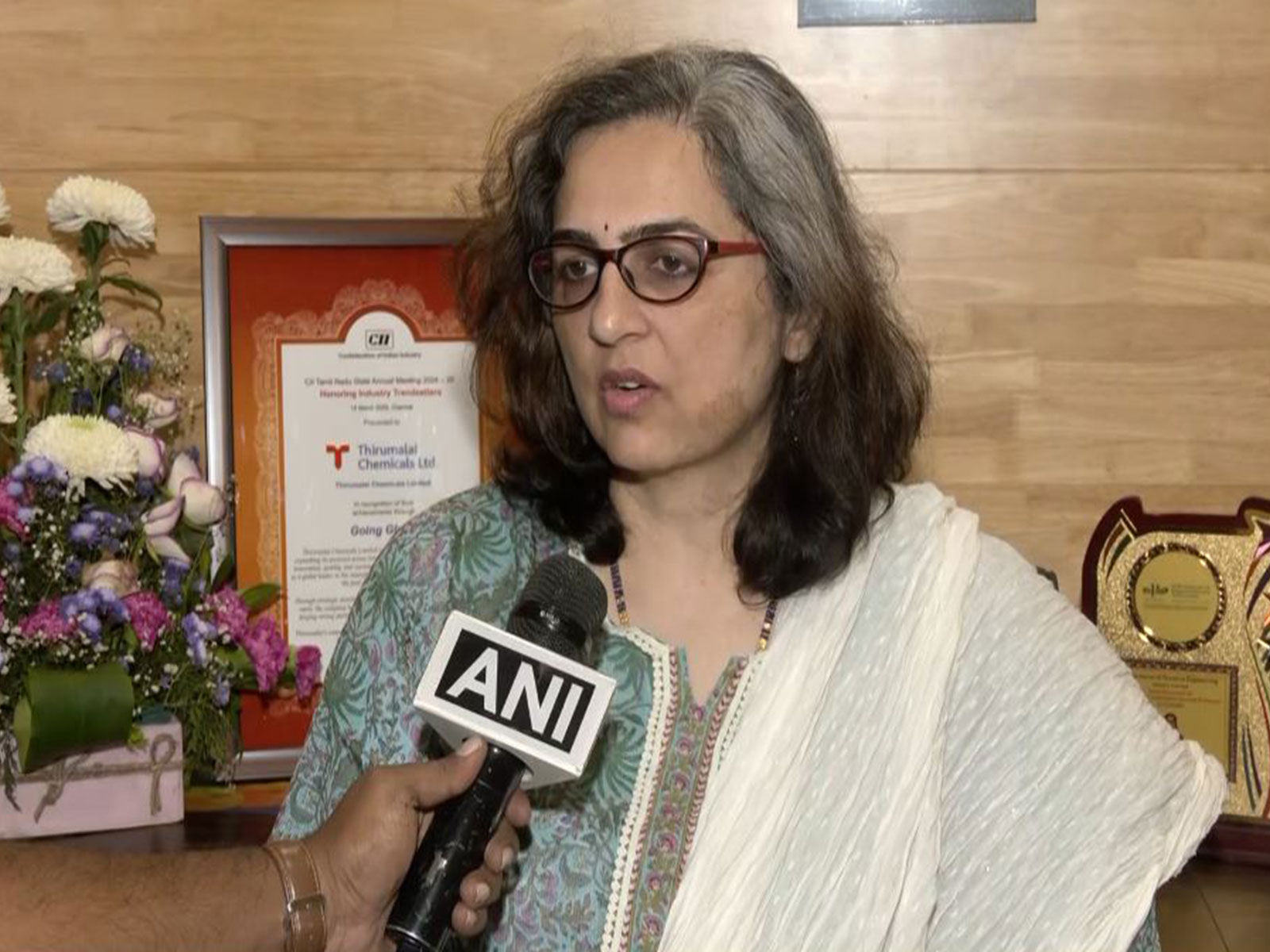
Chennai (Tamil Nadu) [India], February 10 : The reduction in tariffs under the India-US trade deal framework is expected to significantly improve the competitiveness of Indian exports and deliver broad-based gains for the chemical industry, Ramya Bharathram, President of the Indian Chemical Council (ICC), said on Monday.
Bharathram said higher tariffs had been affecting Indian industry "to a very large extent," and the proposed duty easing was a welcome development.
"The fact that tariffs have come down and there is a deal that is going to be announced in the future is definitely a big positive," she said.
According to Bharathram, reducing tariffs to an average of around 18 per cent would put Indian products on a more competitive global footing.
"A lot of Asian countries are already at around 18 to 19 per cent. With this reduction, India will become much more competitive in comparison," she noted.
She said the chemical sector would be a direct beneficiary of the tariff cuts.
"On the chemical side, both organic and inorganic chemicals will benefit directly," Bharathram said, adding that exports from the sector are expected to increase as market access improves.
Highlighting the broader impact of the move, Bharathram said the benefits would also extend indirectly across multiple industries where chemicals play a critical role.
"Chemicals are present in almost all industries. So if there is improved market access because of duty reduction for sectors such as textiles, agriculture, electronics, semiconductors, leather and pharmaceuticals, the chemical industry will also benefit indirectly," she said.
Calling the development a very positive move, Bharathram said the industry is now looking forward to the finer details of the trade agreement.
The US and India last week issued a joint statement, stating that they have reached a framework for an Interim Agreement regarding reciprocal and mutually beneficial trade (interim agreement), and have agreed to a framework.
India had reservations about opening the entire US agricultural sector to Indian markets, which is why the interim trade deal apparently missed the initially set timeline - fall of 2025. The Indian side has secured protection for its sensitive sectors, particularly agriculture and dairy, in this deal.
Furthermore, both countries decided to address non-tariff barriers affecting bilateral trade.
On February 2, a phone call between Prime Minister Narendra Modi and US President Donald Trump led to the announcement of the conclusion of negotiations on the much-awaited trade deal.
The Trump administration had imposed tariffs on major exporters to the US, including India and China. There was a 50 per cent tariff on goods from India entering the United States since August 2025. The tariffs have now been reduced to 18 per cent following the leaders' recent phone call. The BTA, formally proposed in February 2025, seeks to more than double bilateral trade, from the current USD 191 billion to USD 500 billion by 2030.