India-US trade deal: "Trying to spin fake narrative," BJP's CR Kesavan slams Rahul Gandhi
Feb 04, 2026
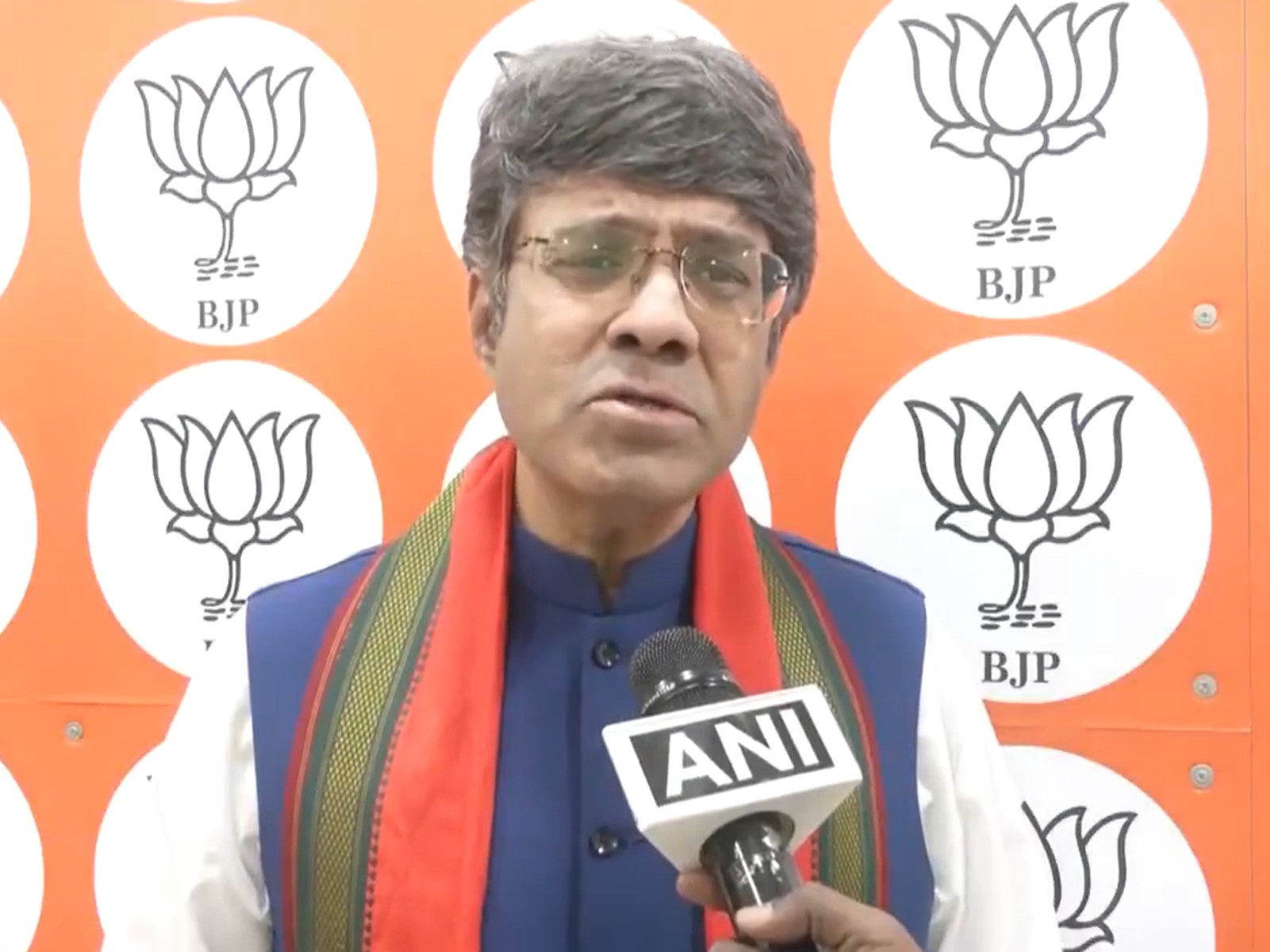
Chennai (Tamil Nadu) [India], February 4 : BJP National Spokesperson CR Kesavan on Wednesday slammed Leader of Opposition in the Lok Sabha Rahul Gandhi and accused him of weaving a "fake narrative" about the India-US trade deal announced by US President Donald Trump earlier in the week, following a telephonic conversation with Prime Minister Narendra Modi.
The BJP leader sought to know Congress MP Rahul Gandhi's alleged opposition to the deal
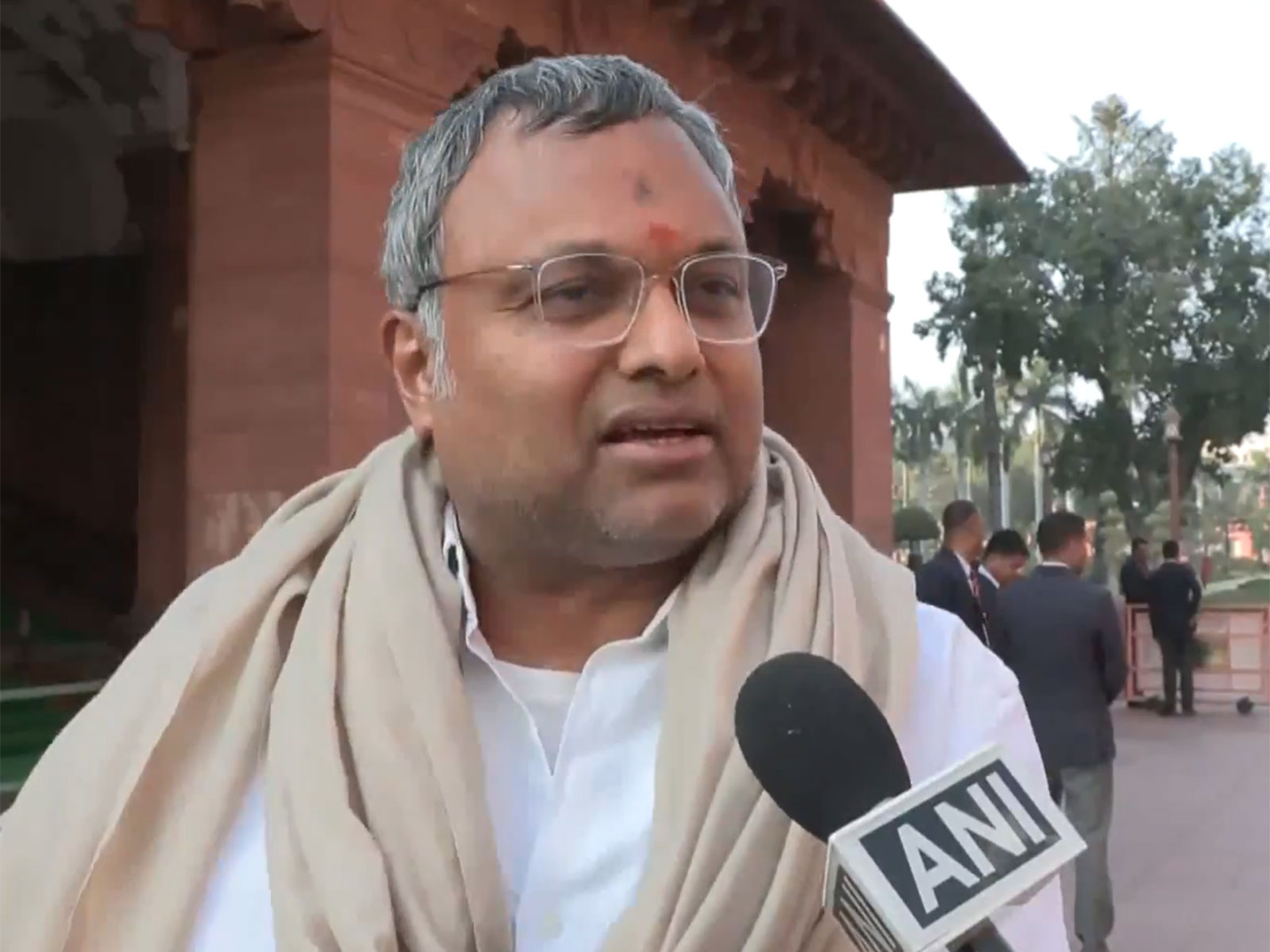
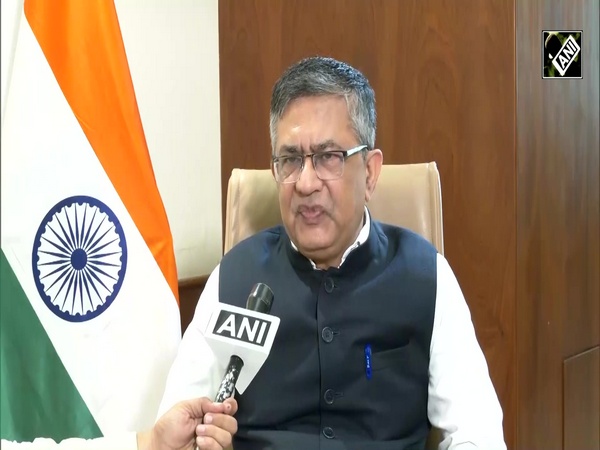
Speaking to ANI, Kesavan said, "... The India - US trade deal is a game-changer, which will immensely favour our nation and hugely benefit 140 crore Indians. Yet Rahul Gandhi is spewing baseless venom and attacking this deal in the most unpatriotic manner... Why is Rahul Gandhi, who should be a responsible leader of the opposition, so hostile to a deal which strengthens India's progress and development?... He has become extremely insecure, and in his frustration, is trying to spin a fake narrative about the trade deal, misleading and misinforming people..."
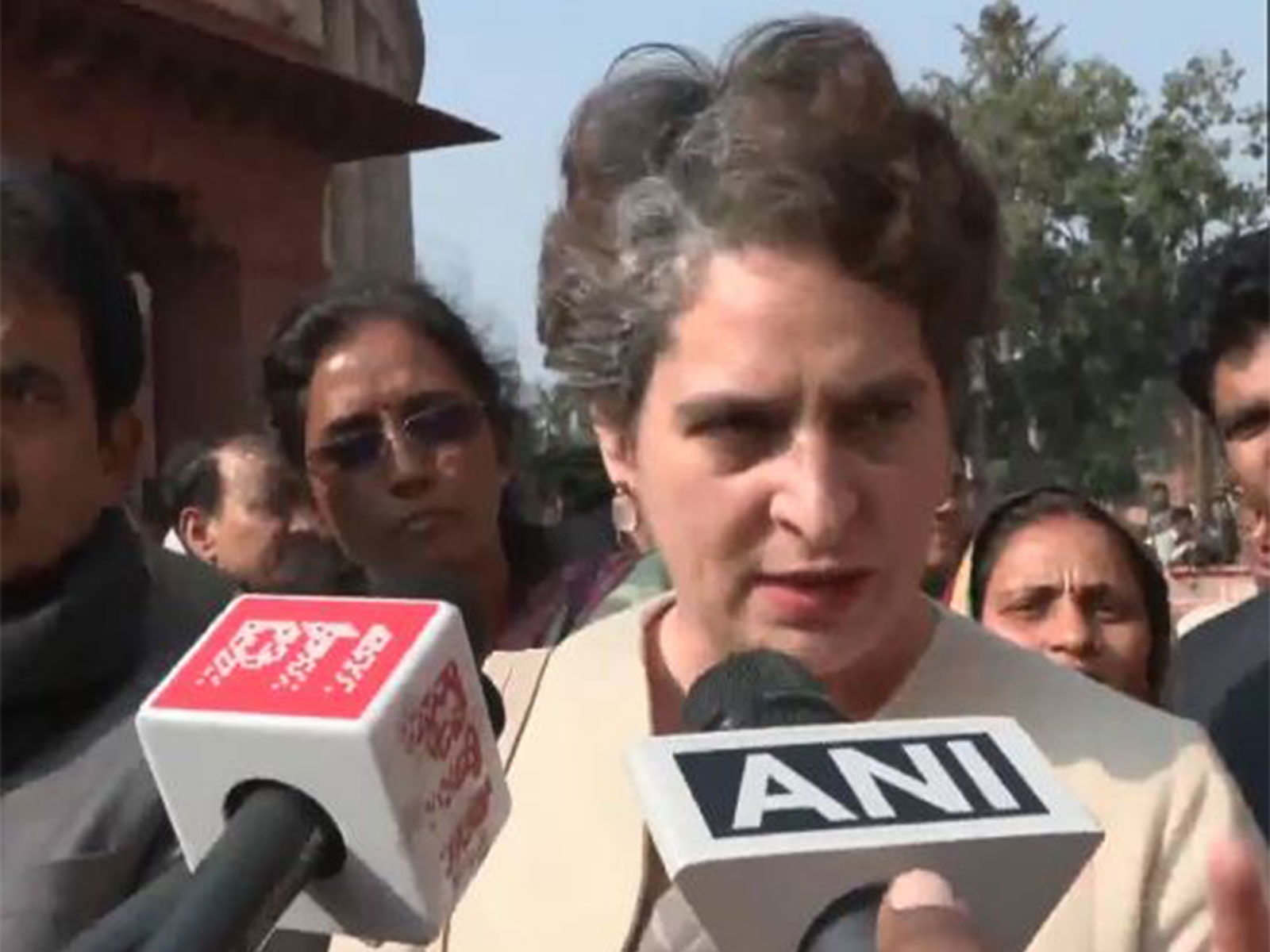
His remarks come after Rahul Gandhi on Tuesday made big allegations against Prime Minister Narendra Modi, accusing him of "being compromised" and "selling the country" through the India-US trade deal.
Speaking to the reporters outside the parliament, Rahul Gandhi said, "Modi ji is rattled. The (US-India) trade deal, which was stalled for the past few months, was signed by Narendra Modi last night. There is extreme pressure on him. Narendra Modi ji's image can get damaged. The main thing is that our PM is compromised. The public needs to think about this. For the first time, the LoP was not allowed to speak on the President's speech."
"Narendra Modi ji has sold your hard work in this trade deal because he is compromised. He has sold the country. Narendra Modi ji is scared because those who shaped his image are now breaking this image," he added.
When asked why the LoP believe PM Modi is "compromised," Rahul Gandhi cited the alleged case against the Chairman of the Adani Group, Gautam Adani, in the US and the Epstein files.
"There is a case on Adani ji in the US; it is actually a case on Modi ji. The Epstein Files contain even more that the US has not yet released. There is pressure due to that as well. These are the two pressure points. The country should understand this," he said.
Commerce Minister Piyush Goyal on Wednesday said India and the US are complementary economies and the trade deal between the countries is beneficial for both parties.
Since Prime Minister Narendra Modi's visit to the US in February 2025, both sides have been negotiating for a bilateral trade agreement (BTA) that's beneficial for both sides.
On February 2, a phone call between Prime Minister Narendra Modi and US President Donald Trump led to the announcement of the trade deal.
"Negotiators from both sides have been at various levels over the past year. During the negotiations, both sides safeguarded their important and sensitive sectors from the trade deal, at the same time ensuring maximum benefits for both countries," Piyush Goyal informed the members in the Lok Sabha, many of whom were apprehensive that the trade deal was detrimental for India.
During these negotiations, Piyush Goyal said the Indian side secured protection for its sensitive sectors, particularly agriculture and dairy.
"There were sectors which were important and sensitive from the US point of view. After negotiations for nearly a year, both sides have been successful in finalizing several areas of the bilateral trade agreement," he said, speaking in the Lok Sabha, while some of the Opposition members kept raising slogans and made their way into the Well of the House.
The Trump administration had imposed tariffs on countries that were major exporters to the US, including India and China. There was a 50 per cent tariff on goods from India entering the United States since August 2025. The tariffs have now been reduced to 18 per cent following the leaders' phone call this week.
The BTA, formally proposed in February 2025 following directives from the leadership of both nations, seeks to more than double bilateral trade, from the current USD 191 billion to USD 500 billion by 2030.