India well-positioned to lead: Chairman of Apparel Export Promotion Council after trade deal with US
Feb 03, 2026
New Delhi, [India] February 3 : The Indian apparel export sector is breathing a sigh of relief and looking toward a decade of unprecedented growth. Following a period of turbulence and heavy penalties, a recent government announcement has revitalised the industry, particularly in hubs like Tiruppur.
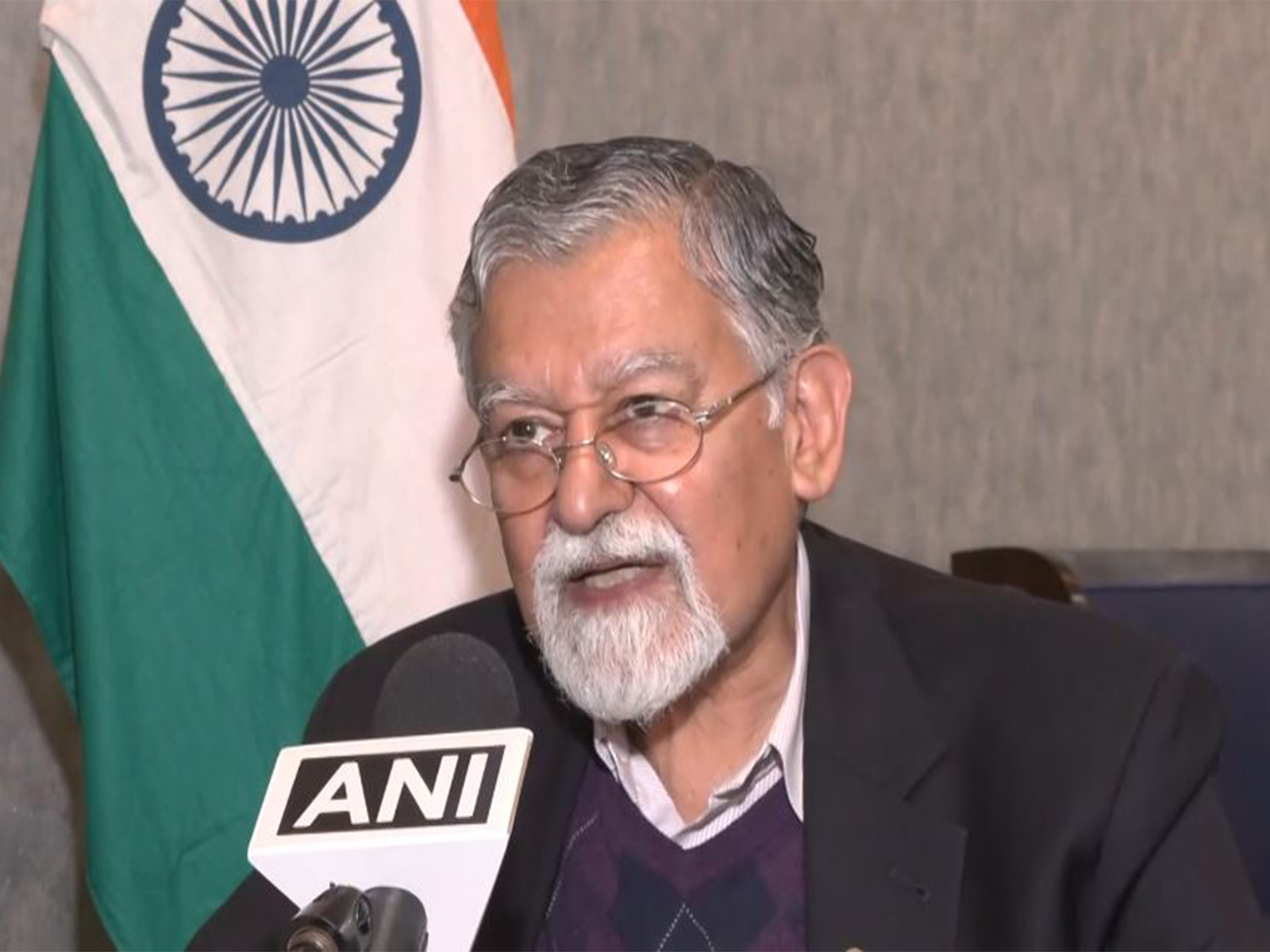
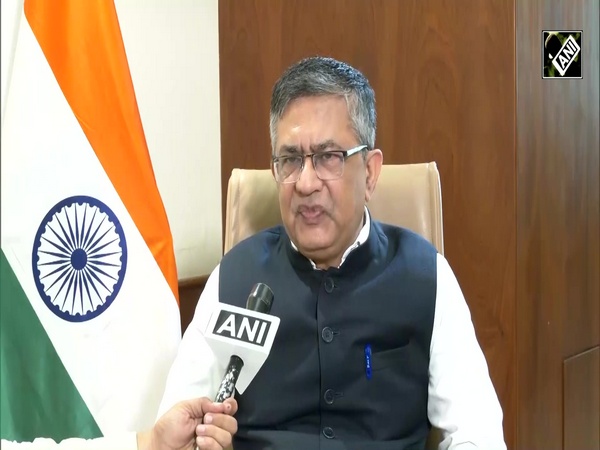
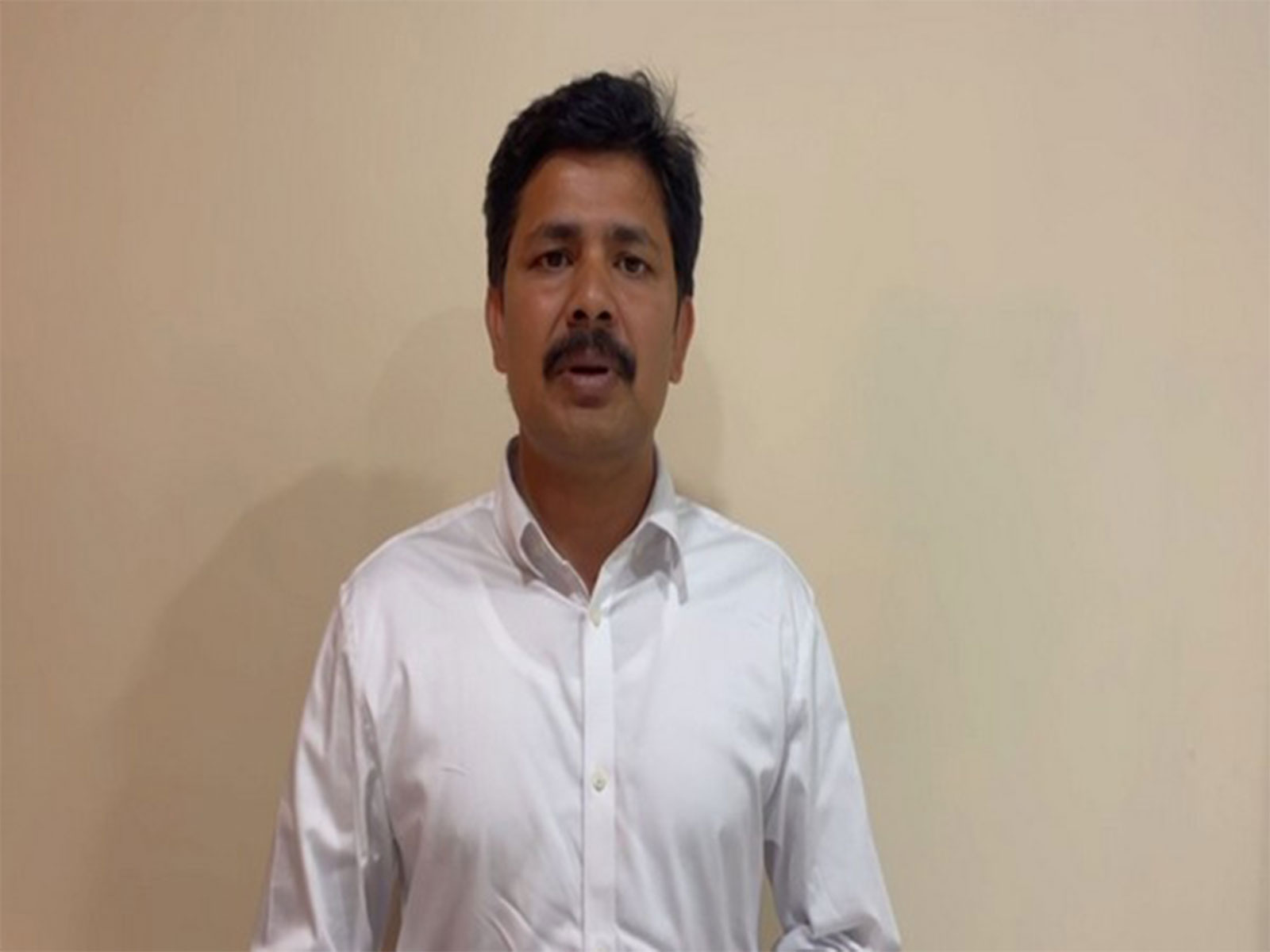
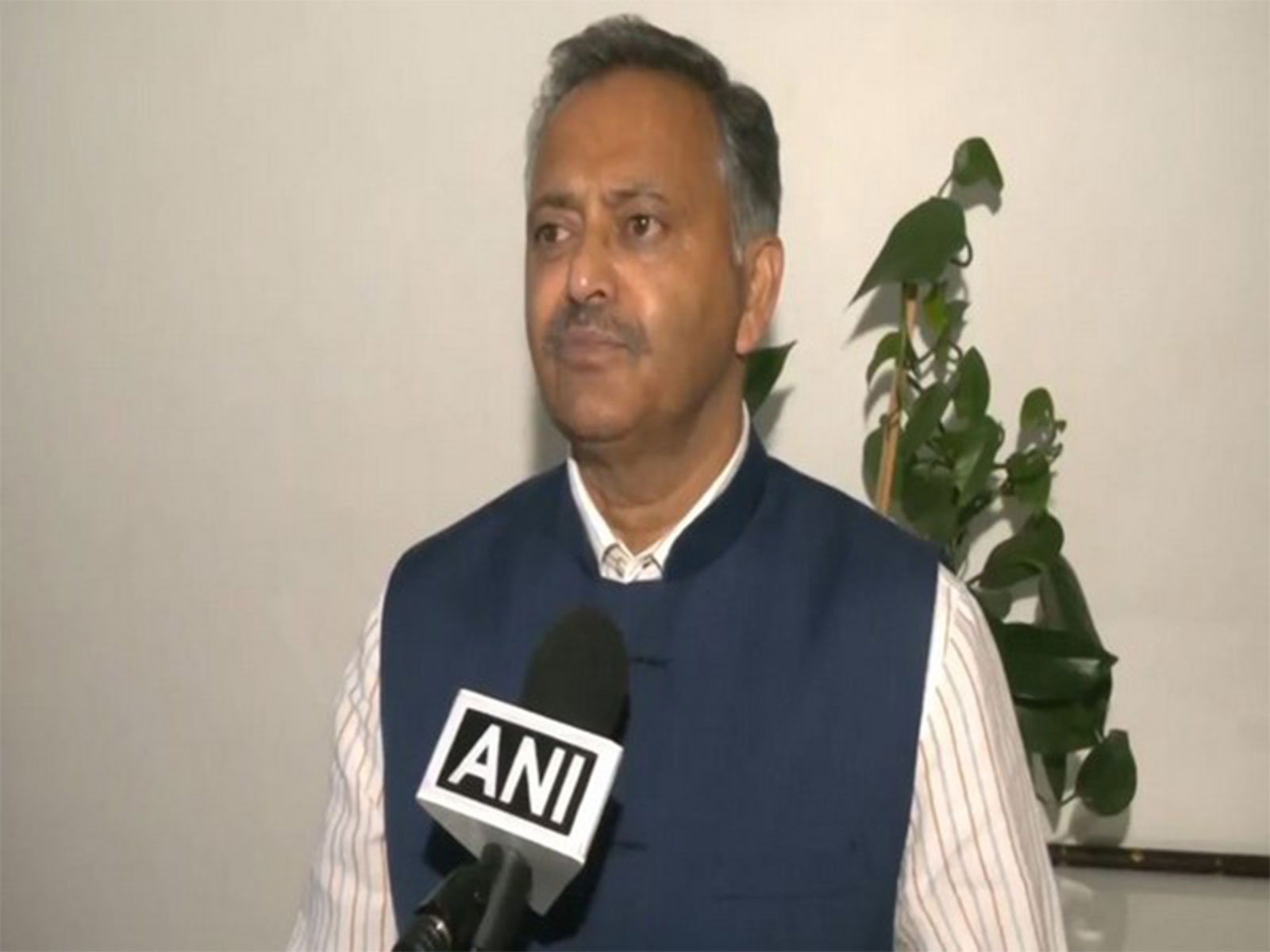
On the recently announced US-India trade deal, that proposed to lower the tariffs to 18%, A Sakthivel, Chairman of the Apparel Export Promotion Council (AEPC) and the Founder & Chairman of Poppys Knitwear said, "With a lower tax rate of 18% compared to other nations and a strong domestic supply chain, India is well-positioned to lead the sector."
"For the last six months, we've been going through a lot of turmoil since the tariffs were imposed. We were struggling because we didn't want to leave the buyers, and the buyers didn't want to leave the exporters. With yesterday's news, we reached a point of saturation on whether we could take further orders. The good news came yesterday, and we owe a big thanks to our Prime Minister and Commerce Minister," Sakthivel said.
"We have a lot of advantages over other countries like Bangladesh, Cambodia, or Vietnam. We have the raw material strength--whether it's cotton, man-made fibre, or viscose. Everything is manufactured in India, including accessories. Other countries have to import almost everything. This boost will benefit the entire sector, from fibre to fashion and from farm to garment manufacturing," he said.
While the future looks bright, the industry anticipates a significant challenge: a labour shortage. To address this, exporters are calling for government support to improve worker welfare and infrastructure.
"The only problem we're going to face is the labour force. With the various FTAs--UK, EU, Oman, New Zealand, and the BTA with the USA--we're going to face a big labour shortage. We request the State and Central Governments to consider a 50% capital subsidy for the construction of hostels for women workers and a 5% interest subsidy. Investing in a hostel is a 'dead investment' compared to machinery, so we need government help to face these labour issues," he said.
Despite the challenges, the mood remains overwhelmingly positive. Exporters are being urged to upgrade their facilities and expand production to capitalise on what is being called a "boom period" for the Indian textile industry.
"The next decade is going to be for our textile industry. I wish all exporters would realise that and expand their capacity, upgrade their facilities, and increase their productivity," he added.