Indian Gaming Recalibrates in 2025, Sets Up for a Global Push in 2026
Dec 18, 2025
VMPL
New Delhi [India], December 18: As 2025 draws to a close, India's gaming industry stands at a pivotal moment, emerging from a period of structural reset into a more mature, innovation-led, and globally-relevant ecosystem. What began as a year shaped by regulatory shifts and business recalibration has evolved into one defined by technology adoption, talent transformation, and renewed global ambition.
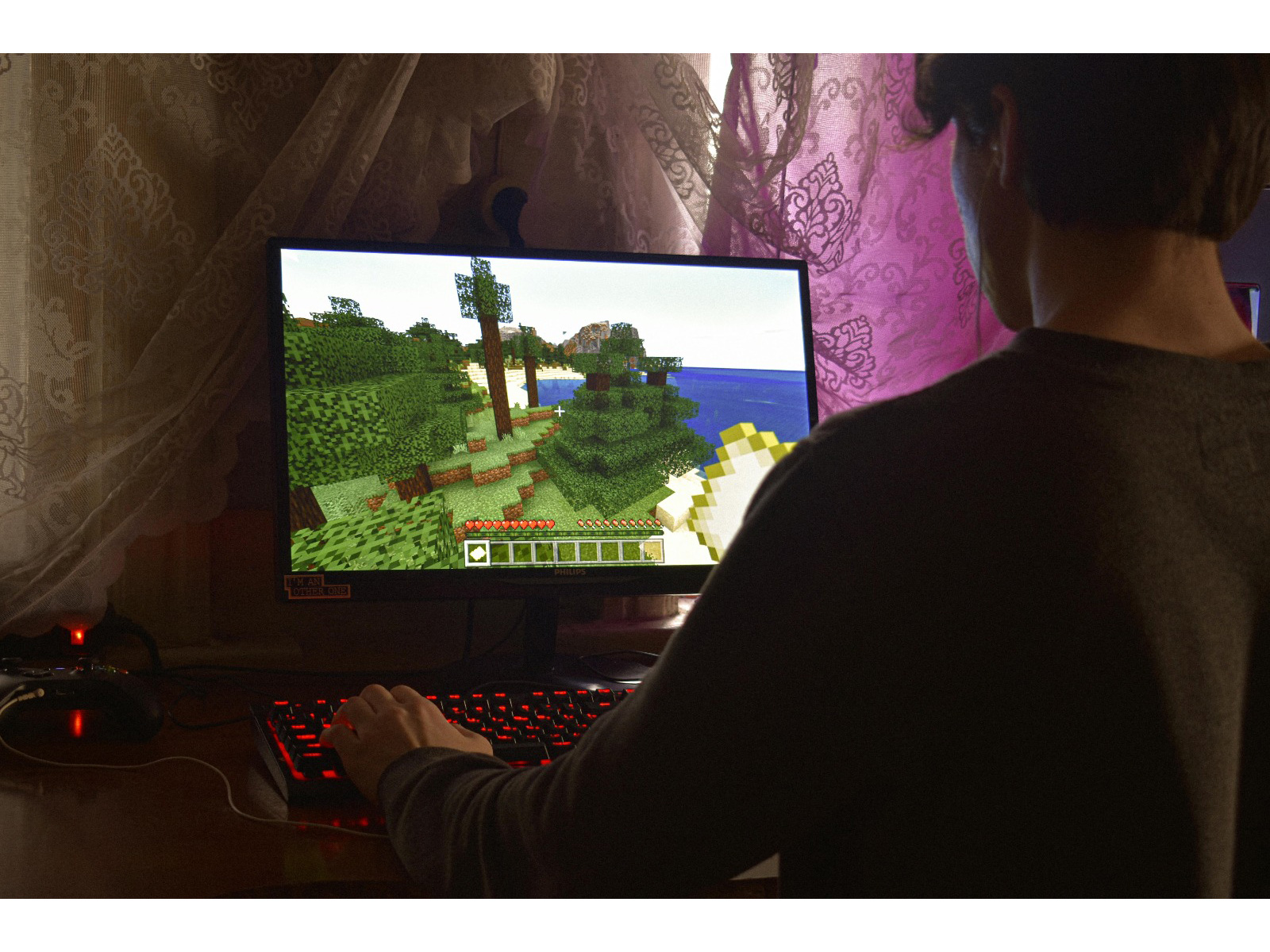
Industry observers note that 2025 forced companies to move beyond high-burn, single-genre strategies and adopt more diversified, sustainable growth models. Studios that previously leaned heavily on narrow formats invested deeper into casual, midcore, simulation, and multiplayer games, while strengthening product quality, compliance systems, and retention strategies.
AI-Driven Production Becomes the New Standard
A defining feature of 2025 has been the rapid mainstreaming of AI-led game production. From automated testing and art pipelines to live-ops analytics and personalization, AI has become central to how Indian studios build and scale. Cloud-native tools and API-driven gaming infrastructure further compressed development timelines, enabling leaner teams to launch faster than ever before.
Smaller Studios Scale Like Global Players
One of the standout trends this year has been the rise of small, agile studios leveraging SaaS-based gaming stacks. These tools democratized access to capabilities, matchmaking, payments, analytics, fraud-checking, that once required large engineering teams. As a result, 5-15 member studios today are operating with the speed, sophistication, and global readiness of their much larger counterparts.
This acceleration has already begun to reshape India's international footprint, with strong momentum seen across the India-Dubai corridor and early traction in Southeast Asia.
Talent and Vendor Ecosystems Evolve to Match New Realities
The shifts in the gaming landscape have also brought changes across talent pools, vendors, and service providers. Roles in AI-assisted production, live-ops management, data-driven design, and modular system architecture saw significant demand. Vendors moved towards more specialized offerings, aligning more closely with global production standards.
India Steps Up as a Global Gaming Contributor
With one of the world's youngest and fastest-growing base of game developers, India is now playing a more influential role in the global gaming economy. Studios, GCCs, and hybrid India-first global teams launched products, tools, and co-developed titles for international audiences throughout 2025--a trend expected to accelerate in the coming year.
Prateek Gupta, Tech Founder & Gaming Growth Strategist, Founder - Blue Ivory Business Solutions (RNGx.gg) and Co-Founder, Fortumax Technologies (Gamio), notes that this year has been a turning point for the ecosystem. "2025 proved that the Indian gaming industry is not fragile, it's evolving. The shift towards AI-driven production and scalable, modular gaming infrastructure has made teams more efficient, more global, and more innovation-focused. India's talent is now contributing far beyond its borders, and 2026 will be the year we see Indian studios compete globally, not just participate."
What to Expect in 2026
As the industry builds on the momentum of 2025, the coming year is expected to mark a decisive shift in how Indian gaming companies build, scale, and compete globally. The most significant change will be the rise of AI-native game development. What began as selective experimentation in 2024 and early 2025 has now evolved into a foundational approach, where AI supports everything from early ideation and asset creation to live-ops management and personalization. This will become the default production model across studios of all sizes in 2026.
Geographically, India's gaming footprint is set to widen through stronger collaboration corridors, particularly with the UAE and Southeast Asia. Dubai's regulatory clarity and ecosystem support, alongside Southeast Asia's rapidly growing mobile-first markets, are expected to offer Indian studios smoother pathways for international expansion, co-development, and cross-border publishing.
On the content front, 2026 is likely to see a surge of midcore and multiplayer titles developed in India but built for global players. With rising technical capabilities and better access to scalable infrastructure, more Indian teams are expected to compete directly in genres traditionally dominated by global studios.
This evolution will be supported by the continued adoption of plug-and-play gaming infrastructure, from SaaS-based monetization tools to API-driven live-ops systems. These technologies will enable faster launches, lower development costs, and smoother scaling for young studios and established players alike.
At the same time, the industry's approach to ethics and player well-being will deepen. Responsible design and robust compliance frameworks are expected to become central to product strategy, not just regulatory obligations. Studios now recognize that long-term trust and retention depend on building safe, transparent, and sustainable gaming experiences.
Taken together, these developments suggest that 2026 will be a year of acceleration, expansion, and global alignment. With stronger foundations and a more resilient outlook, Indian gaming enters the new year more agile, more ambitious, and better positioned for sustained long-term growth.
(ADVERTORIAL DISCLAIMER: The above press release has been provided by VMPL. ANI will not be responsible in any way for the content of the same.)