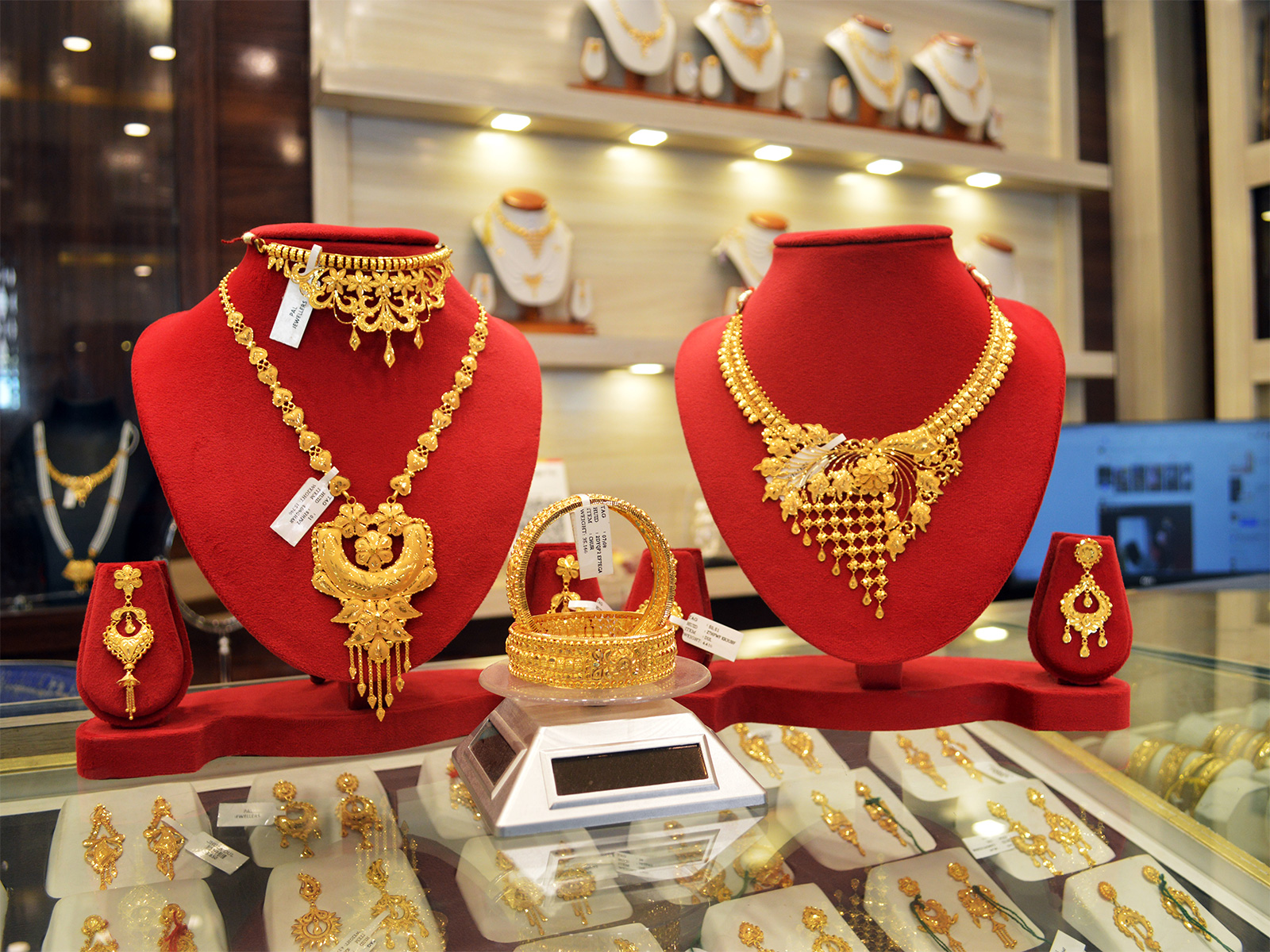
Indian household gold holdings larger that combined gold reserves of top 10 central banks, says ASSOCHAM
Apr 10, 2026
New Delhi [India], April 10 : India's household gold holdings are the highest among major gold-reserve-holding economies of the world amid a sharp rise in 2024-25 and early 2026, ASSOCHAM said in a press release on Friday.
"Channelising 2% of gold holdings into financial assets each year can add USD 7.5 trillion to India's GDP by 2047, bringing it to more than USD 40 trillion," the press release said.
The industry body noted that the accumulation of gold by Indian households over the years is much larger than the combined gold reserves of the top 10 central banks.
"Even if 2% of household gold holdings are channelled into financial assets every year, the 40% oftotal gold holdings in financial assets by 2047 will add an additional USD 7.5 trillion to India's GDP by 2047 through the multiplier effect," ASSOCHAM said in its press release.
As India's GDP is estimated to be between USD 34 trillion by 2047 (median value of various forecasts), the addition of USD 7.5 trillion will enhance it to USD 41.5 trillion by 2047.
According to the World Gold Council, India currently holds the world's eighth-largest officially recognised gold reserves. At 880 tonnes, this is just over one-tenth of America's gold reserves, but ASSOCHAM said the stock of Indian household gold is ahead of that of any other country globally.
"According to various sources, the estimated value of gold held by Indian households is about USD 5 trillion. This stock of privately held gold represents one of the largest pools of household financial wealth. Such a huge amount of gold can provide great strength to the Indian economy when channelled into the financial system," the press release said.
ASSOCHAM stressed channelising physical gold into the formal economic system to support the development of various segments of the economy, such as manufacturing, infrastructure and agriculture.
There is macroeconomic significance in even a gradual shift of a portion of this gold into financialised channels such as monetisation schemes, collateralised lending, or gold-linked savings instruments, ASSOCHAM said.