Indian industry pushes for swift India-EU FTA as talks near finish line
Jan 21, 2026
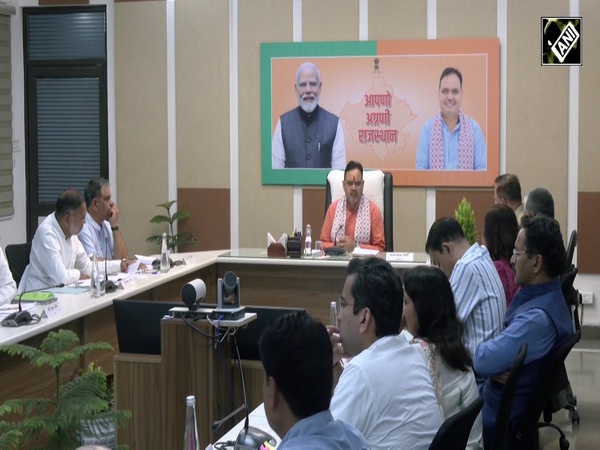
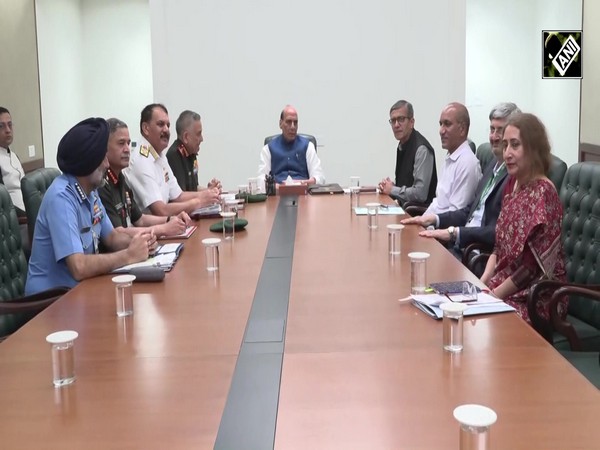
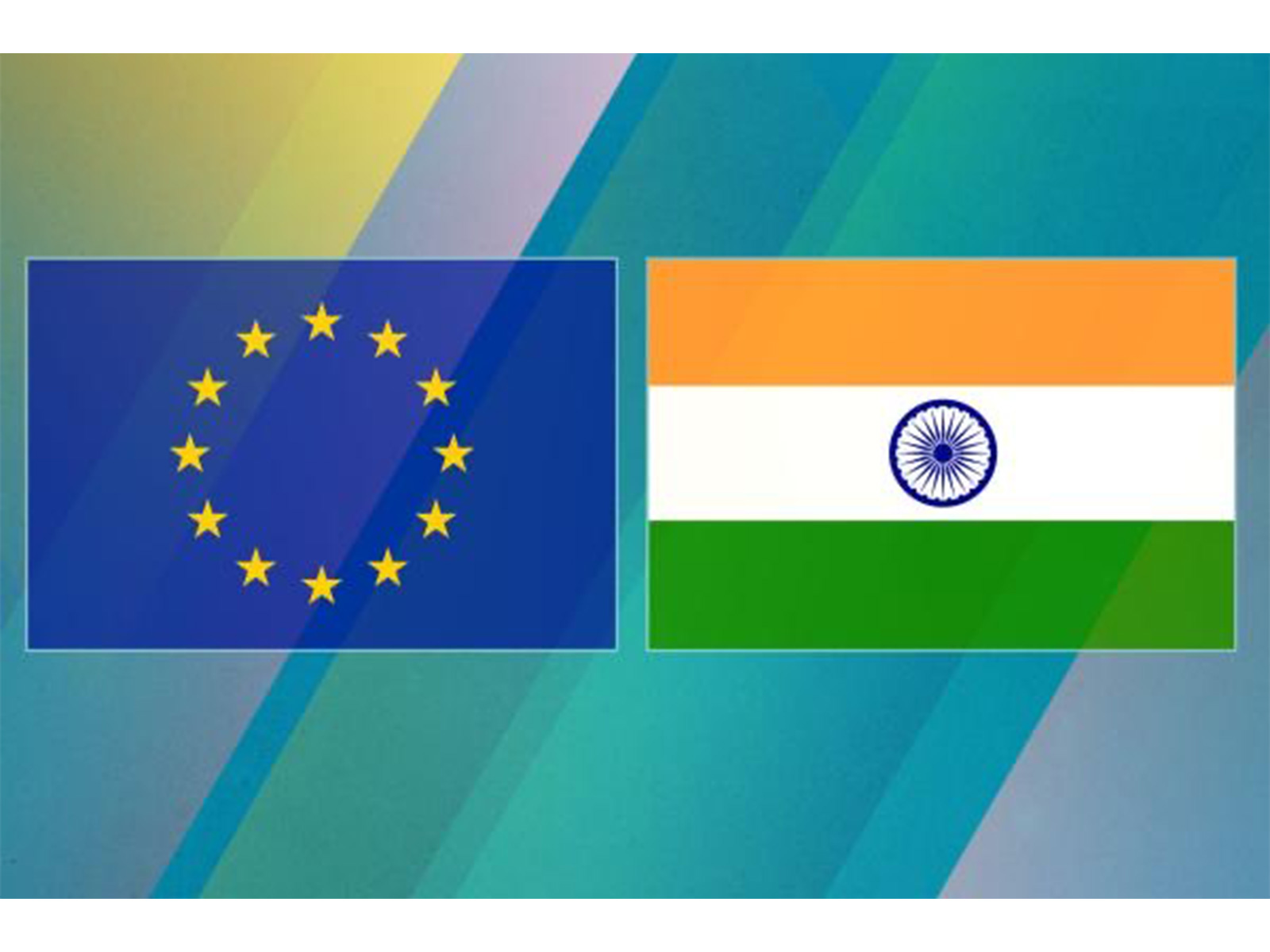
New Delhi [India], January 22 : Indian industry leaders, policymakers, and diplomats made a strong and unified case for an early conclusion of the India-European Union Free Trade Agreement (FTA), arguing that the deal is critical for export growth, supply-chain resilience, and long-term investment at a time of rising global uncertainty, as per a release.
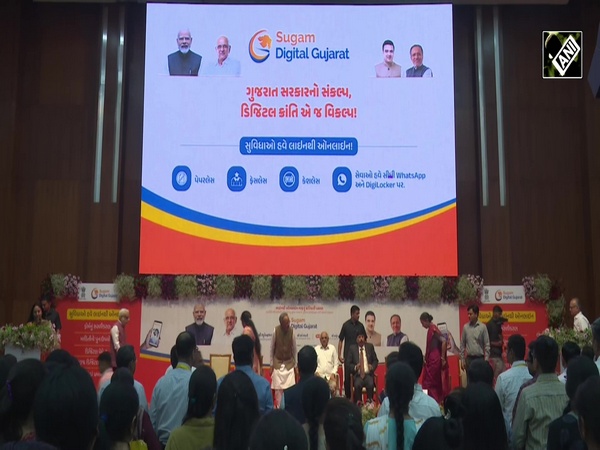
The sentiment emerged at a high-level dialogue titled "India-EU Summit: FTA and the Road Ahead", jointly organised by the Chintan Research Foundation (CRF) and the Centre for Global India Insights (CGII) at the India International Centre. The discussion took place against the backdrop of renewed political momentum around the India-EU FTA following deliberations at the World Economic Forum in Davos.
Participants noted that negotiations, which are now approaching completion, have acquired strategic significance beyond trade liberalisation. The proposed agreement is increasingly being viewed as a stabilising anchor for global commerce amid growing geopolitical fragmentation and the weaponisation of trade.
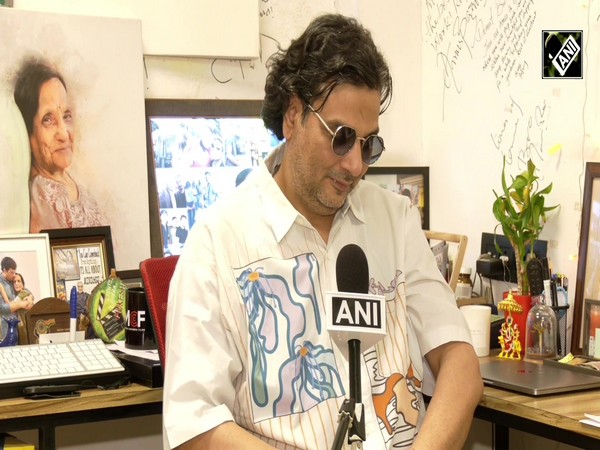
Delivering the welcome address, Shishir Priyadarshi, President of CRF, described the timing of the FTA as "consequential." He said that in an era of disrupted supply chains and geopolitical volatility, the India-EU FTA represents a rare convergence of economic logic and strategic trust. A concluded agreement, he noted, could deliver tangible gains by enhancing predictability, resilience, and cooperation in global trade.
According to the release, a recurring theme across sessions was that the Indian industry is actively seeking the FTA, seeing it as a gateway to diversify exports, move up global value chains, and deepen integration with advanced markets. Industry representatives emphasised that success would ultimately depend on the agreement's usability, particularly in areas such as standards, regulatory compliance, logistics, and services trade.
For the European Union, speakers noted, India represents a large, fast-growing economy, a trusted partner for supply-chain diversification, and an increasingly attractive destination for long-term investment. Improved market access and regulatory clarity under the FTA are expected to reduce transaction costs and enable firms on both sides to scale operations and collaborate more effectively.
Several speakers highlighted that the Indian industry stands to gain significantly from increased flows of European capital and technology, particularly in advanced manufacturing, clean energy, electronics, pharmaceuticals, chemicals, and automotive components. A clear FTA framework, they argued, would reassure investors that India remains a stable, rules-based partner.
The strategic relevance of the agreement was further underscored by comparisons with the EU-Vietnam FTA, under which Vietnam's exports to the EU reportedly surged by over 50 percent within four years of implementation, alongside a sharp rise in foreign investment.
Concluding the discussion, participants agreed that as global trade becomes more politicised, a near-complete India-EU FTA sends a powerful and timely signal. By aligning strategic interests with commercial realities, the agreement has the potential to emerge as a cornerstone of a modern, mutually beneficial economic partnership - one that Indian industry is now openly and emphatically backing.