Indian Ocean must prepare for turbulent world, deepen cooperation: EAM outlines 5 priorities at 9th IOC
Apr 10, 2026
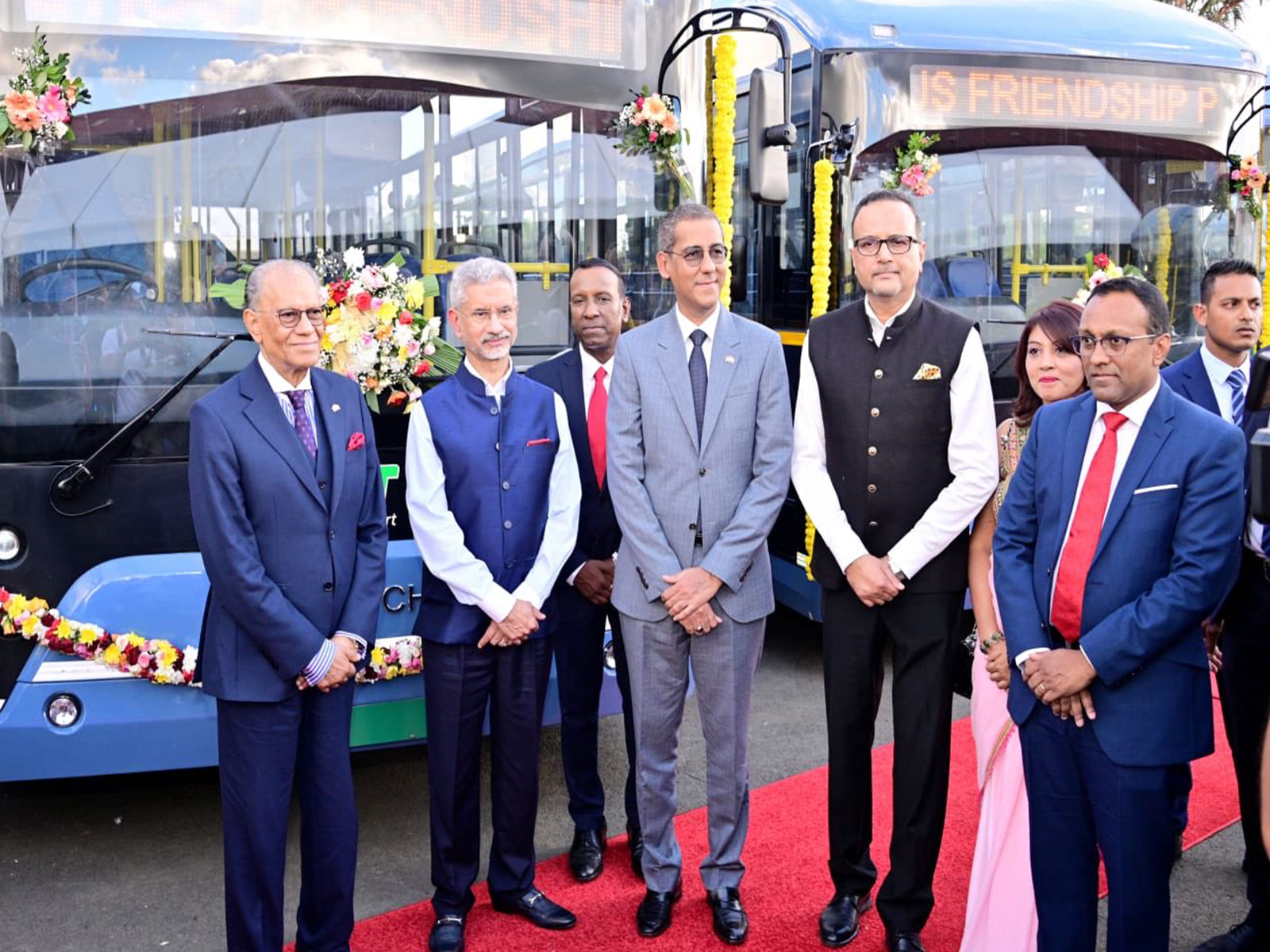
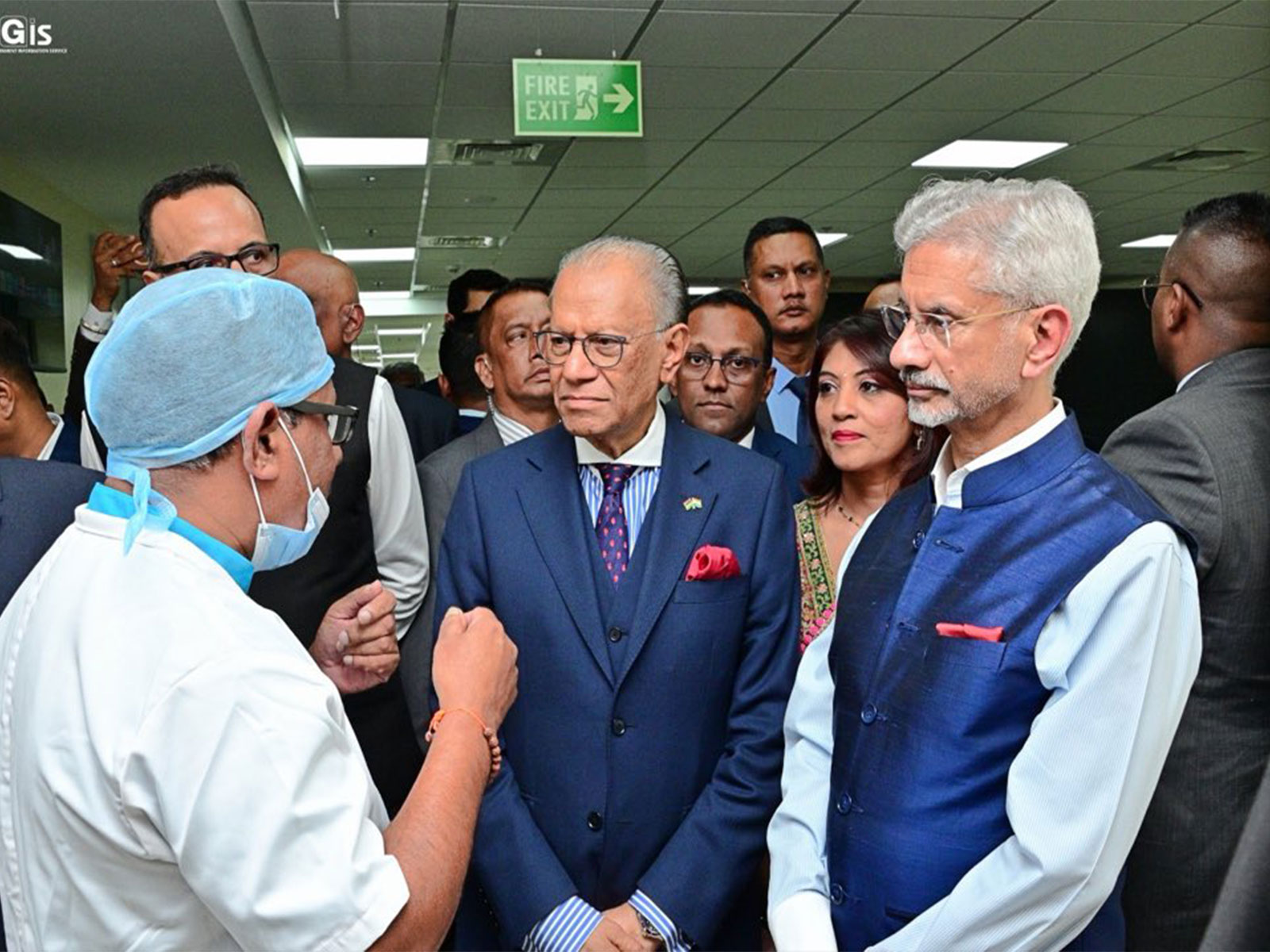
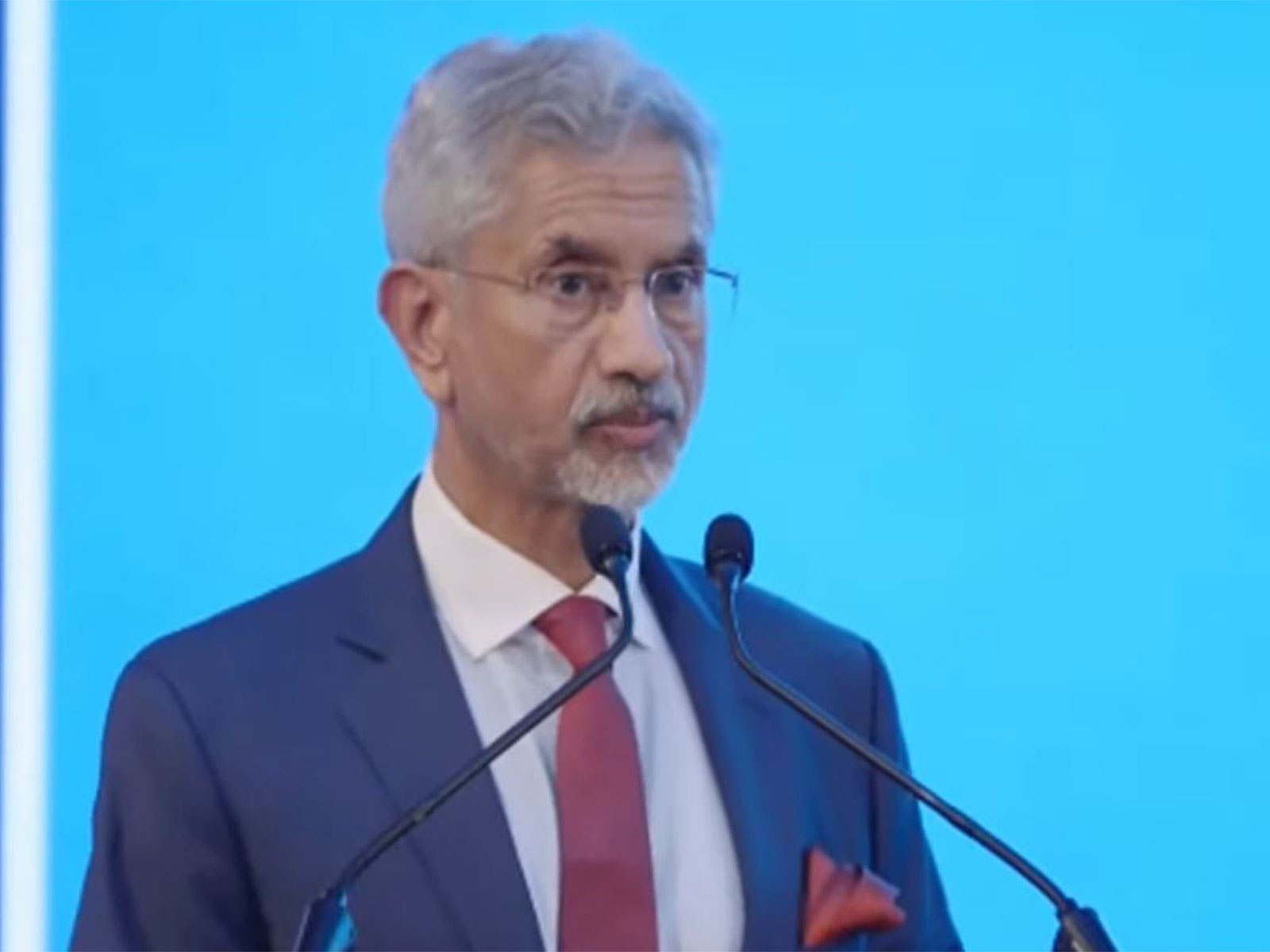
Port Louis [Mauritius], April 11 : External Affairs Minister Jaishankar on Friday laid out five key priorities for Indian Ocean nations, saying the region must prepare for a more turbulent global order while strengthening cooperation and resilience amid rising geopolitical and economic uncertainty.
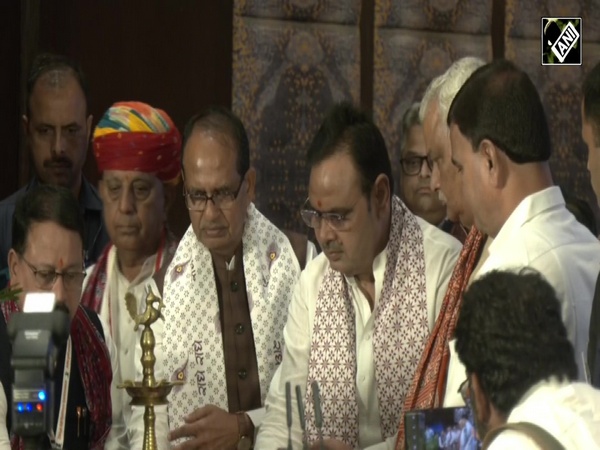
Addressing the 9th Indian Ocean Conference in Mauritius, Jaishankar said the Indian Ocean is not merely a geographic space but a living ecosystem that sustains economies, livelihoods, connectivity, resources and shared cultural heritage.
He warned that any disruption to this interconnected system has far-reaching consequences, underscoring the need for stability and careful stewardship of the maritime domain.
https://x.com/DrSJaishankar/status/2042657298330374231?s=20
Presenting his second point, the External Affairs Minister said countries of the region must continue efforts to overcome historical barriers inherited from the colonial era and deepen regional cooperation and stressed the importance of stronger economic linkages, improved connectivity and the revival of traditional ties, urging nations not to lose sight of long-term collective goals even as global fragmentation increases.
"The first is an obvious one. It is about the importance of the ocean. This is not just a framework in which we all exist, but an ecosystem. It is the resources on which we depend, the connectivity on which we thrive and indeed the culture that we have built up over the ages. It is so fundamental that when this is disrupted, numerous aspects of life are impacted," the EAM said.
"Two, in the last decades, our focus has been on overcoming the artificial barriers of the colonial era. This meant deeper regional cooperation, stronger economic linkages, rebuilding of connectivity and revival of traditions," he added.
As his third point, Jaishankar highlighted the changing nature of the global order, noting that the world has become more competitive, inward-looking and fractured and said the benefits of globalisation are increasingly being overshadowed by tendencies to weaponise interdependence, prompting countries to seek more reliable partnerships and greater resilience in an uncertain environment.
He then pointed to the growing concern over "choke points," both physical and conceptual.
While maritime choke points remain strategically significant, he said, similar constraints are emerging in domains such as finance, technology, resources and knowledge and cautioned that controlled systems can hinder global well-being and stressed the need for more open and resilient flows.
"My third point, global trends are a reality that cannot be ignored. The world is more competitive, fractured, and inward-looking than in the past. The benefits of globalisation are today overshadowed by the temptation to leverage and the temptation to weaponise. As a result, we are all in a quest for greater resilience and are seeking more trusted partners," Jaishankar noted.
"Four choke points. Choke points are now a great global anxiety. We naturally tend to think of it physically, as is the case in regions close by. But let's not forget that it has also been conceptually developed in domains like finance, technology, resources, and even knowledge. Overcoming the controlled mindset is essential for the well-being of the international economy," he added.
Finally, Jaishankar called for deeper cooperation among Indian Ocean nations, describing the region as a "Global South ocean" facing shared challenges such as food, fuel and fertiliser shortages; disaster response; and the spillover effects of conflicts.
"There is a call for deeper cooperation among the nations of the Indian Ocean. In many ways, it is a global South Ocean. Whether it is food, fuel or fertiliser shortages; whether it is responding to natural disasters; or whether it is addressing the consequences of conflicts, the answer is increasingly in collective resilience," he stated.
The EAM said India's approach is reflected in its Neighbourhood First policy and broader maritime outlook focused on collective resilience.
He further observed that the world is undergoing a period of profound transition marked by shifting power balances, ongoing conflicts and economic fragmentation.
Referring to tensions in West Asia, he expressed concern over the humanitarian and economic impact of the conflict, calling for the protection of civilians and uninterrupted maritime navigation, while noting its cascading effects on energy prices, trade flows and food security worldwide.
The EAM is on a two-day visit to the island nation, scheduled for April 9-10, as part of the first leg of a four-day diplomatic tour that includes the UAE.
Following his engagements in Mauritius, the minister will travel to the United Arab Emirates on April 11 to review the Comprehensive Strategic Partnership with the UAE leadership.