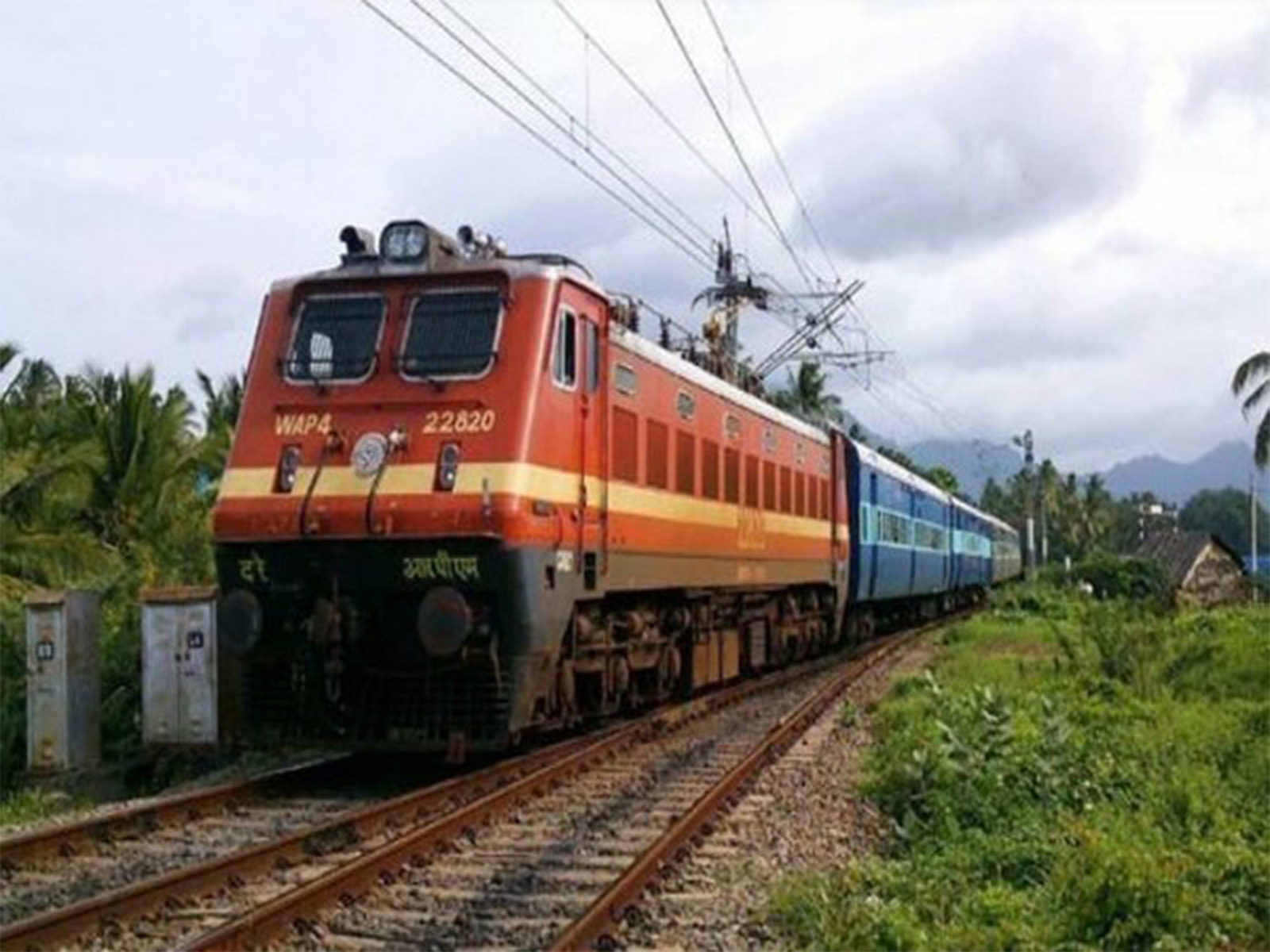
Indian Railways freight grows 4.2% in November 2025
Dec 02, 2025
New Delhi [India], December 2 : As India advances toward its aspiration of becoming a $5 trillion economy, the need for efficient, reliable, and scalable logistics remains central to this journey.
At the same time, Indian Railways is meeting the mobility needs of a large and growing population, carrying over two crore passengers every day, thereby reinforcing the backbone of India's transport ecosystem.
On a cumulative basis up to November 2025, freight loading has risen by 3.3 per cent to 1,070.8 million tonnes. This milestone is particularly significant given that the Indian Railways has moved more freight in just eight months of FY 2025-26 than it did in the entire year of 2013-14, when total loading stood at 1,055 million tonnes.
This sustained growth is strengthening industrial supply chains, supporting both domestic and international trade, and providing a more sustainable, cost-efficient logistics ecosystem. With rail transport costing nearly half as much as road transport, the impact of this cost advantage is further amplified, creating substantial savings for businesses and contributing to broader economic gains.
As more bulk goods shift to rail, the benefits extend well beyond commercial performance. Rail transport reduces carbon emissions, decongests highways, and offers industries, including MSMEs, a greener and more reliable logistics alternative.
This shift reinforces India's commitment to sustainable growth, aligning freight operations with the nation's Net Zero Carbon Emission goals and further positioning Indian Railways as a key driver of both economic and environmental progress.
In November 2025, Indian Railways recorded freight loading of 135.7 million tonnes, a 4.2% increase from 130.2 million tonnes in the same month last year.
The growth has been primarily driven by significant gains in the transport of key commodity segments, including Pig Iron and Finished Steel (16%), Iron Ore (9.7%), Fertilisers (10.6%), Containers (6.8%), and Balance Other Goods (23.6%), reflecting healthy diversification in freight traffic.