India's digital economy growing at twice pace of GDP, driving Asia-Pacific transformation: Report
Dec 03, 2025
New Delhi [India], December 3 : India's digital economy is expanding at nearly twice the pace of the country's overall GDP, highlighting the rapid shift toward technology-led growth across the Asia-Pacific region, according to a research report released by India Exim Bank.
The report highlighted that digital transformation has emerged as one of the most powerful drivers of economic growth in this region.
It stated "Digital transformation is emerging as one of the most powerful drivers of growth in Asia-Pacific, with the digital economy of India, among others, expanding at nearly twice the pace of overall GDP".
It also noted the rise of vibrant e-commerce ecosystems, with companies like Japan's Rakuten, China's Alibaba Group, India's Flipkart and Indonesia's GoTo Group becoming regional giants that now rival global players such as Amazon and Walmart.
The report mentioned that as global economic structures undergo rapid change, the Asia-Pacific region stands at a pivotal juncture. For countries in the region, adapting to emerging trends and strategically positioning themselves will be key to harnessing future opportunities.
The report observed that even as the world experiences a slowdown in economic integration, the Asia-Pacific region is moving in the opposite direction. Intra-regional trade in Asia has grown by 43 per cent over the past four decades, and today, more than half of Asia's total trade happens within the region. A similar trend is visible in foreign direct investment (FDI), with Asian economies increasingly investing in one another's markets.
However, the report warned that regional supply chain integration continues to face challenges due to fragmentation, regulatory differences and concentration risks. It recommended policy reforms focusing on regulatory harmonisation, digitalisation and stronger financial tools to make supply chains more resilient.
The report also noted that strengthening regional infrastructure is essential to support integrated and resilient supply chains.
It emphasised the need for interoperable transport networks linking ports, rail systems and inland logistics hubs. Coordinated investments, aligned regulations and sustainable financing would help build infrastructure that supports durable and inclusive economic integration.
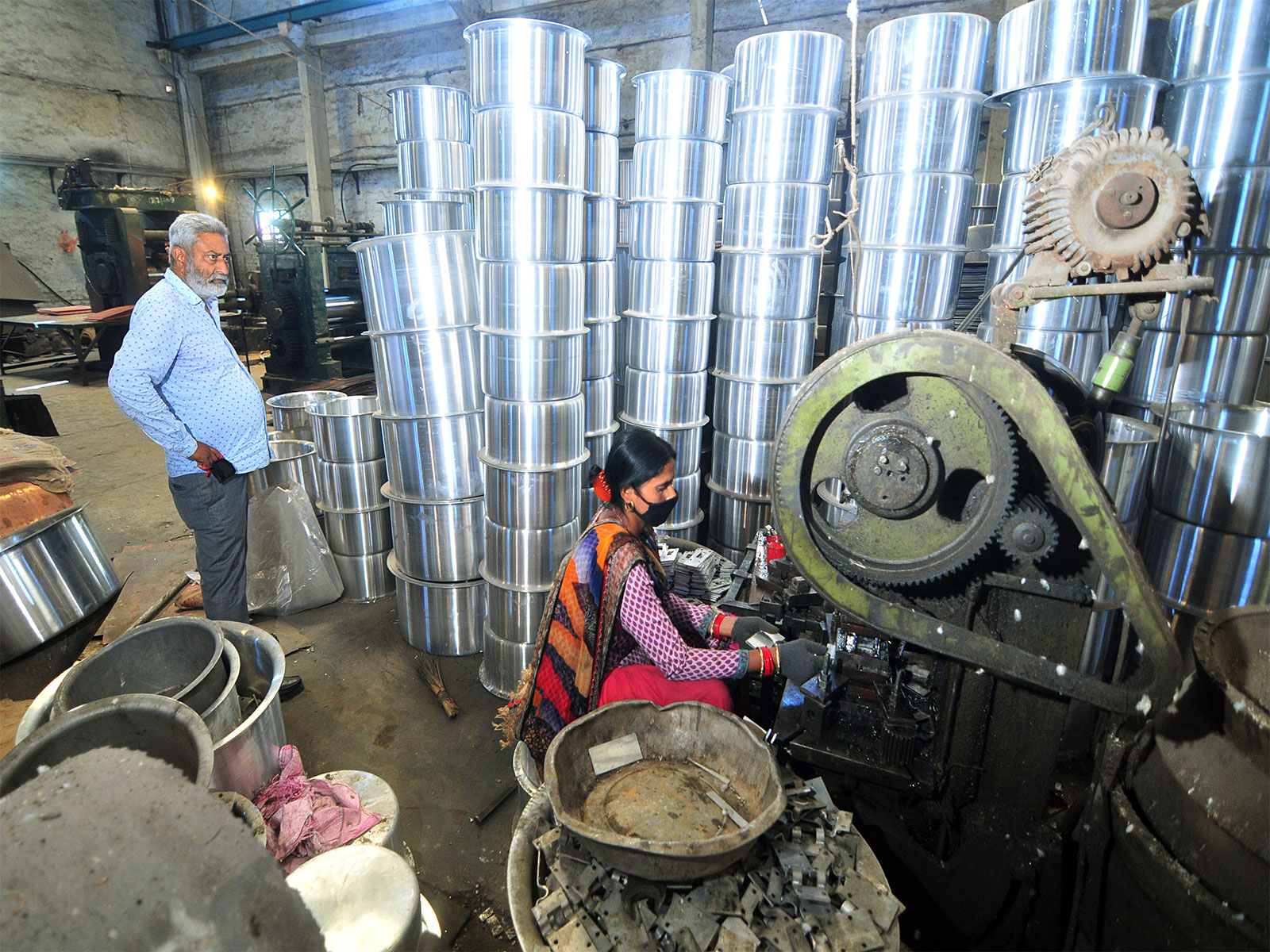
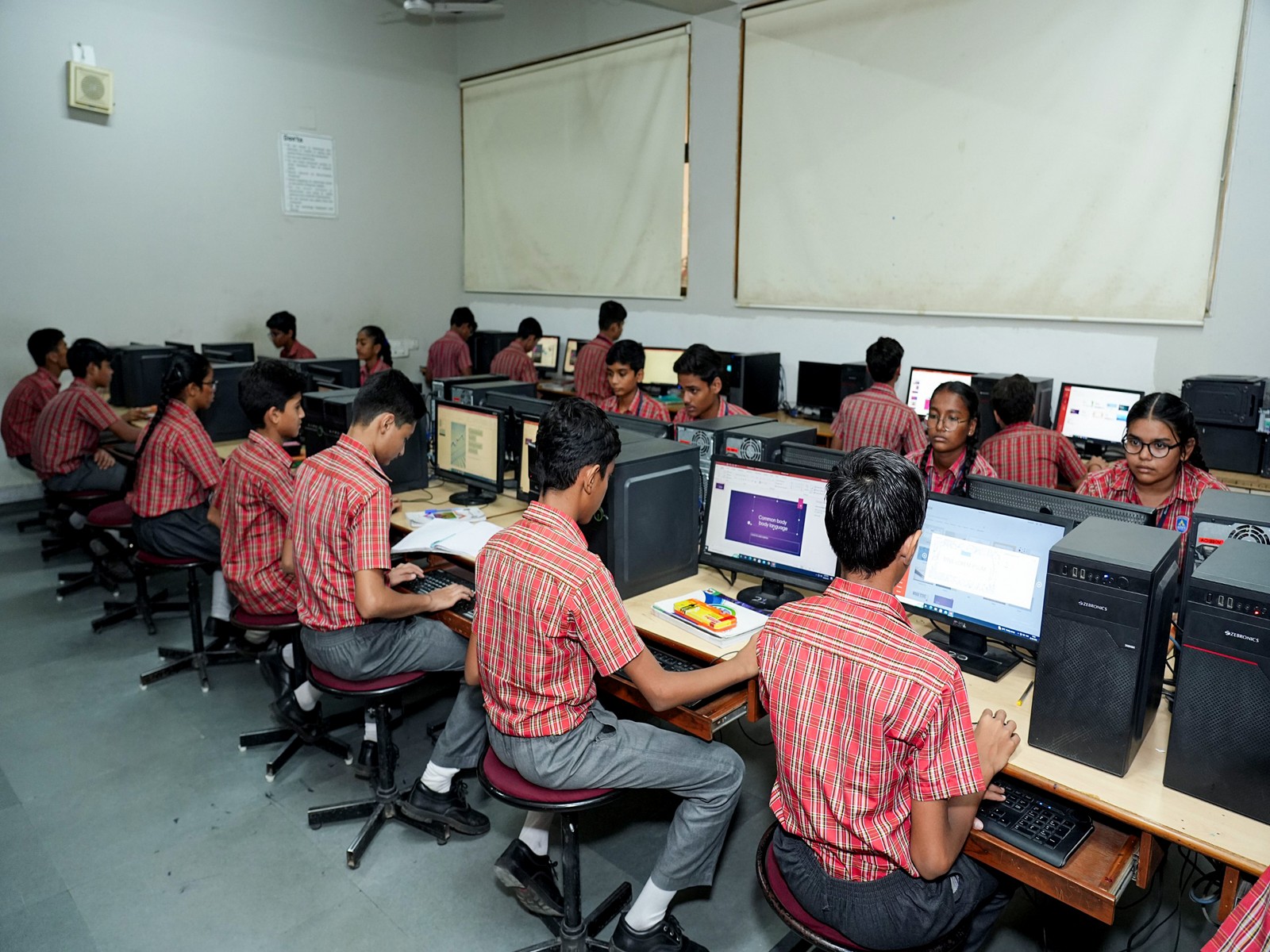
The report further noted that while manufacturing has been central to the Asia-Pacific's economic rise, a global shift toward services is reshaping future growth patterns. Governments must invest in education and skills suited to service-sector jobs, improve regulatory frameworks and promote innovation in service delivery. Enhanced digital infrastructure and cross-border agreements will also be crucial to unlocking services-led growth.
Digital transformation is set to accelerate further with greater adoption of artificial intelligence (AI), which can boost productivity, efficiency and competitiveness across sectors.
The report highlighted India's success in building a strong Digital Public Infrastructure, such as Aadhaar for identity, UPI for real-time payments and ONDC for open e-commerce, and said these models can be shared with Asia-Pacific countries.
The report outlined that the future of Asia-Pacific growth will depend heavily on digital readiness, regional cooperation and the ability to integrate services, technology and infrastructure into a unified strategy for development.