India's disability-inclusive electoral reforms highlighted at UN Human Rights Council
Mar 07, 2026
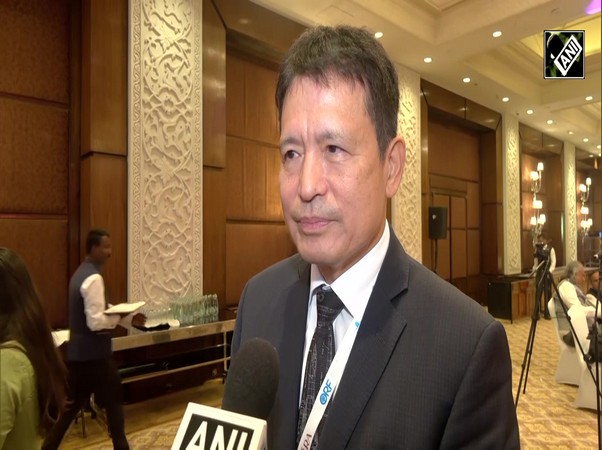
Geneva [Switzerland], March 7 At the 61st session of the United Nations Human Rights Council (UNHRC), Shweta Tyagi, Chief Functionary of the India Water Foundation, highlighted India's efforts to strengthen inclusive democratic participation for persons with disabilities. She emphasised the country's commitment to ensuring equal political participation for all citizens.
During the Interactive Dialogue with the Special Rapporteur on disabilities, in her oral statement, she highlighted the importance of strengthening support systems that enable persons with disabilities to actively engage in political and public life.
She noted that India's approach is guided by a rights-based framework enshrined in the Rights of Persons with Disabilities Act, 2016, which guarantees equality, non-discrimination and equal opportunities, including participation in governance and political processes.
According to the statement, the Election Commission of India has introduced several initiatives to make the electoral process more accessible for persons with disabilities. These measures include accessible voter registration mechanisms and the use of braille-enabled electronic voting machines to assist visually impaired voters. Polling stations across the country have also been equipped with priority assistance facilities to ensure smoother participation for voters with disabilities.
Tyagi further highlighted that special provisions, such as home voting options, have been introduced for persons with benchmark disabilities, allowing them to cast their votes without the need to travel to polling booths. In addition, awareness campaigns have been conducted to encourage voter enrolment and participation among persons with disabilities.
She also emphasised the need to sensitise election officials and political stakeholders about accessibility and dignity during the electoral process. Such efforts aim to ensure that persons with disabilities are treated with respect and are able to exercise their democratic rights without barriers.
Beyond electoral participation, the statement highlighted the importance of involving persons with disabilities in consultative bodies, advisory committees and policy dialogues. This approach, Tyagi noted, helps ensure that the perspectives of persons with disabilities are reflected in policymaking and governance.