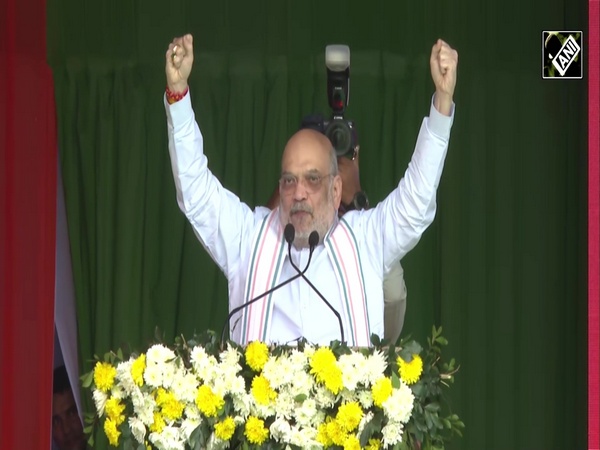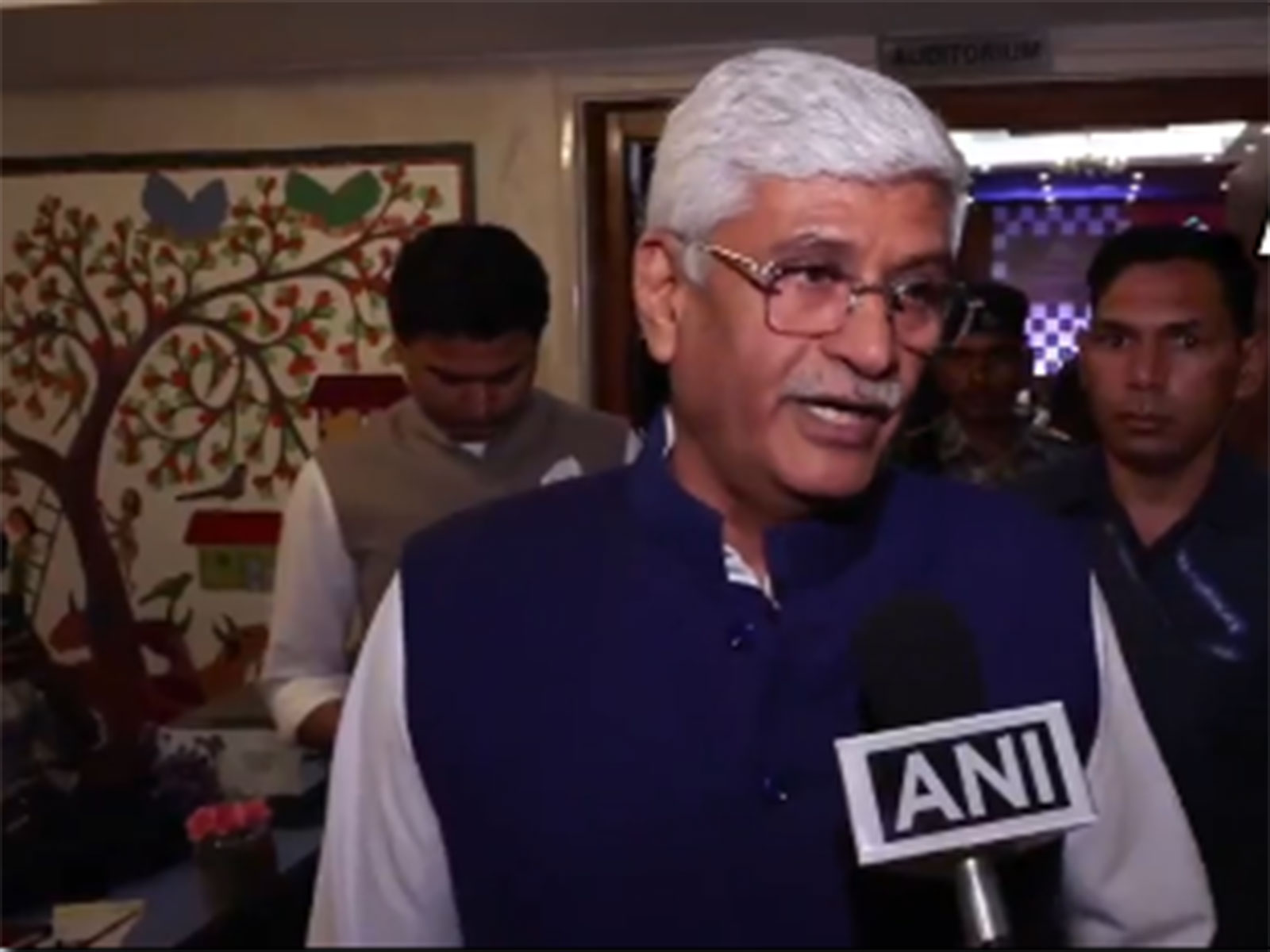
"India's economy will double every 7-8 years," says Union Minister Gajendra Singh Shekhawat
Mar 31, 2026
New Delhi [India], March 31 : Union Minister Gajendra Singh Shekhawat has stated that India's economy is projected to reach nearly 30 trillion dollars by the year 2047, marking its transformation into a developed nation.
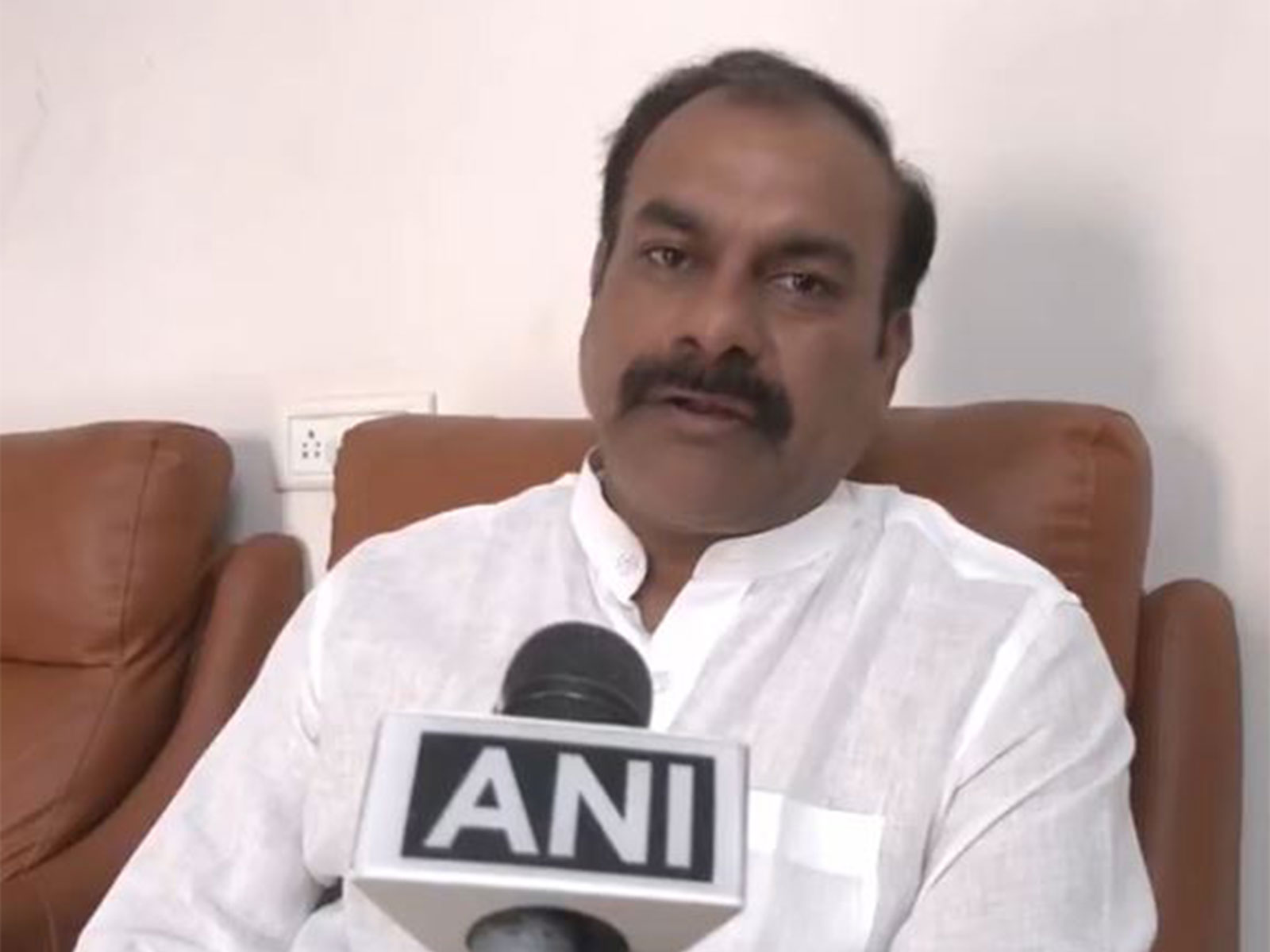
Union Minister Gajendra Singh Shekhawat, while speaking to ANI, said, "...The path India is on, the speed at which India is advancing, the foundation that PM Modi has laid for a developed India--the entire world is acknowledging that in the coming times, India's economy will double every 7-8 years. By 2047, when India becomes developed, its economy will have advanced to nearly 30 trillion dollars."
Meanwhile, the ongoing conflict in West Asia could shave around one percentage point off India's economic growth and push up inflation if the disruptions persist, according to a report by Ernst & Young.
The latest edition of the report, 'Economy Watch: Monitoring India's macro-fiscal performance', warned that prolonged geopolitical tensions could weigh on India's macroeconomic outlook through higher energy prices and supply disruptions.
"The ongoing conflict in the Middle East has significantly disrupted global crude oil and energy markets by affecting supply, storage, transportation and prices," the report said.
It added that if the impact of the conflict continues through the next fiscal year, India's growth trajectory could weaken while inflationary pressures could rise.
"If the impact persists throughout FY27, we estimate that India's real GDP growth could erode by around 1 percentage point, while CPI inflation could rise by approximately 1.5 percentage points from their baseline estimates of 7 per cent and 4.0 per cent, respectively," the report stated.
The report noted that the risks arise at a time when India's economy is otherwise showing strong momentum.
"High-frequency indicators for January and February 2026 indicate an ongoing growth momentum. However, there are early signals of some moderation owing to the challenges posed by the ongoing geopolitical uncertainties," it said.
Highlighting the transmission channels of the shock, the report underlined India's vulnerability to global energy market disruptions.
"India, which imports nearly 90 per cent of its crude oil requirements, is also highly dependent on imports of natural gas and fertilisers. Consequently, the Indian economy is particularly vulnerable to such external shocks," it said.
It further cautioned that the impact could spill over across sectors, affecting both supply and demand conditions.