India's export ambitions hinge on quality manufacturing, global competitiveness: NITI Aayog VC
Feb 13, 2026
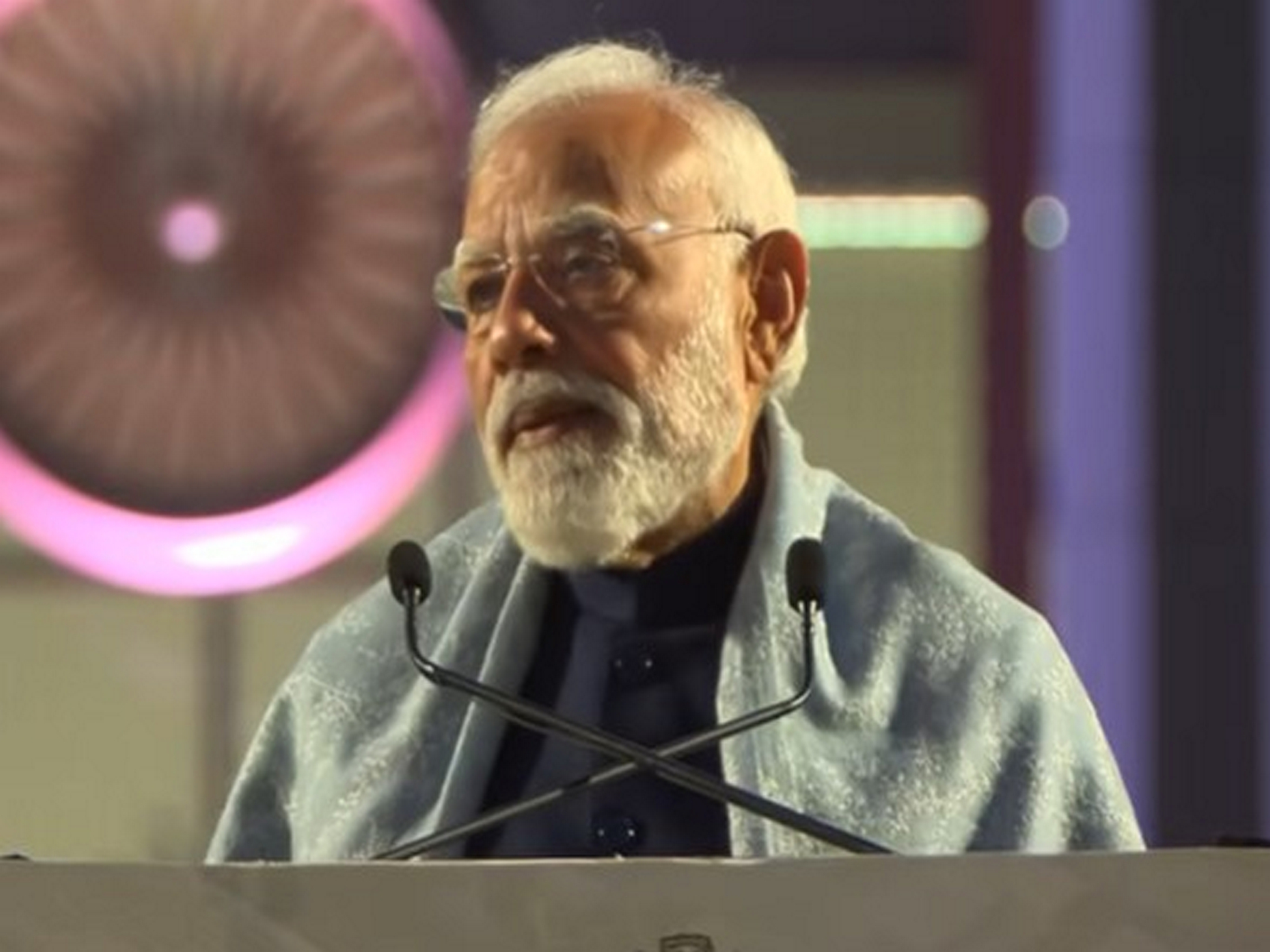
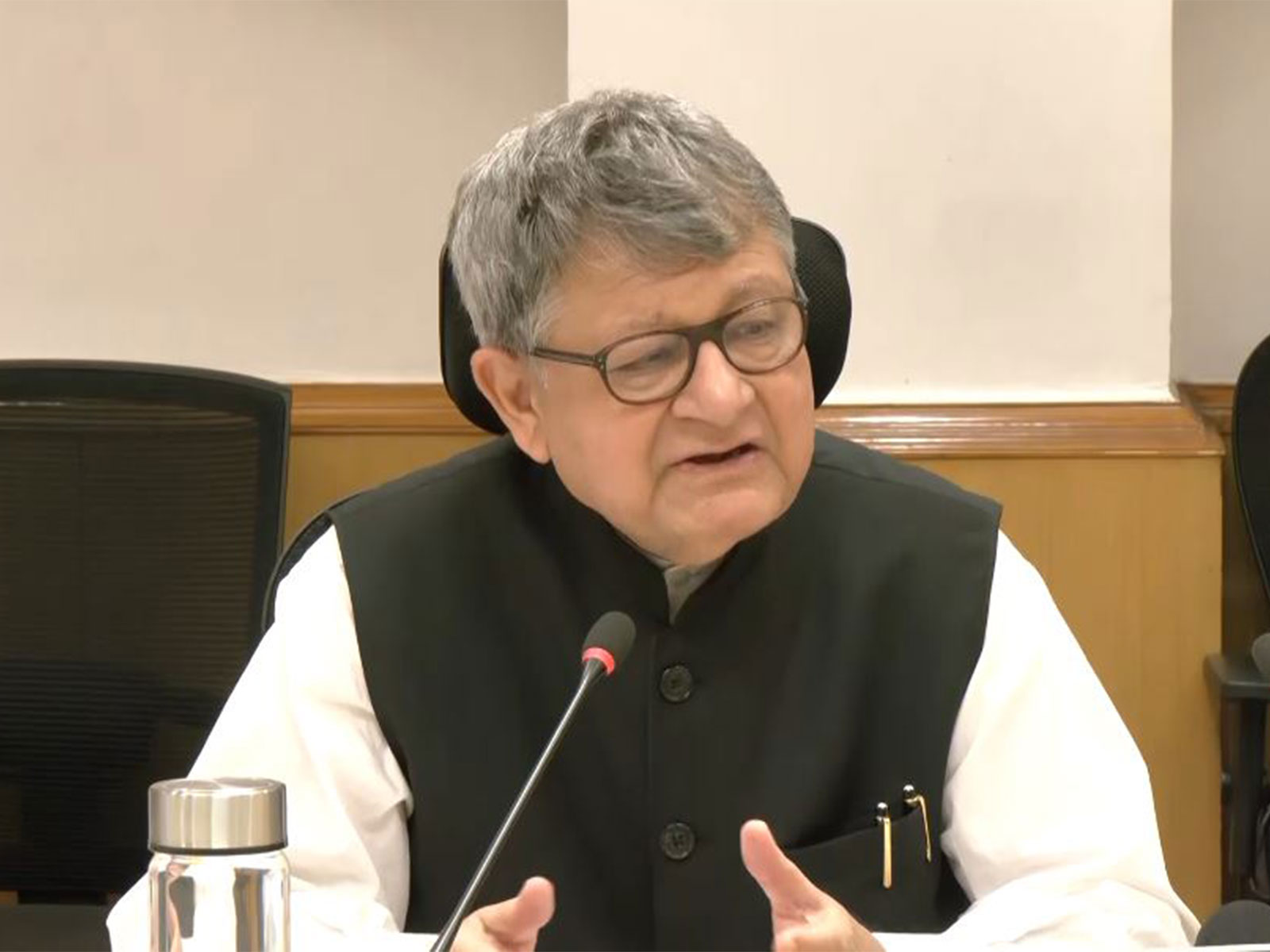
New Delhi [India], February 13 : India's ambitions to expand its footprint in global trade will depend squarely on improving the quality and competitiveness of its domestic manufacturing base, NITI Aayog Vice Chairman Suman Bery said on Thursday.
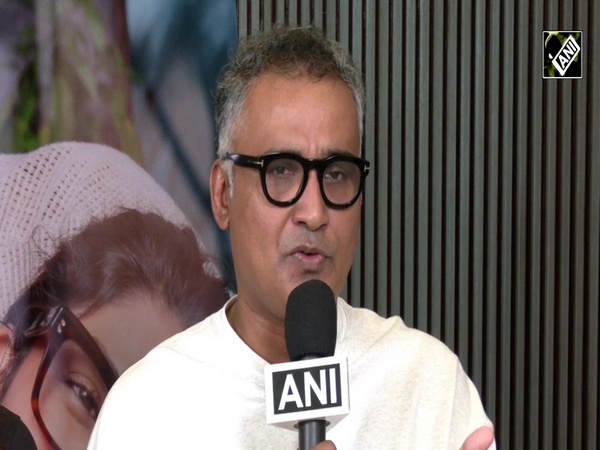
"We can only be successful at exports if we are successful at quality production," Bery said, speaking at the release of the latest edition of the government's quarterly Trade Watch publication, which this time focused on electronics exports.
Bery said international trade was "fundamental to the transformation of the Indian economy," and commended the team behind the report, including NITI Aayog Member R.S. Sahoo and Chief Executive Officer B.V.R. Subrahmanyam, for sustaining the quarterly analytical effort. He expressed hope that the publication would receive wider attention for informing policy debate and stakeholder engagement.
India's push to strengthen manufacturing is not new, Bery said, tracing the policy objective back to the Industrial Policy Resolution of 1956. However, he noted that while India has maintained its share of global manufacturing value added at roughly 13%, it has not significantly increased it over time.
He drew a distinction between manufacturing and the broader industrial sector, which also includes mining and construction, saying the current policy focus is squarely on manufacturing. Recent policy discussions, including references in the Economic Survey and the Union Budget, have underscored plans for a National Manufacturing Mission to boost competitiveness.
Bery outlined two principal reasons for prioritising manufacturing.
"The first is economic vulnerability. If we are highly dependent on manufacturing inputs in a world of weaponised trade, this creates a vulnerability. The policymakers and investors must carefully balance strategic self-reliance with the efficiencies of global specialisation. He described this as a make versus buy decision that requires intelligent policy," he said.
"The second reason is employment. Evidence from countries such as China and Vietnam suggests that the share of manufacturing in total employment has peaked at lower income levels over time, complicating the traditional pathway from agrarian to industrial economies. For India, which faces a large and youthful demographic profile, manufacturing remains central to raising labour productivity and absorbing workers into more productive sectors," he added.
He also highlighted gender inclusion as a critical dimension. Citing India's relatively low female labour force participation rate, Bery said expanding opportunities for women in factory employment could significantly lift overall growth.
"One way of thinking about moving from 6%-6.5% growth to 8% growth is to bring many more women into the workforce and equip them for higher levels of labour productivity," he said, pointing to examples from states such as Tamil Nadu.
Turning to exports, Bery said entering global markets today requires deep integration into global value chains (GVCs), particularly in high-technology sectors such as electronics. He noted that NITI Aayog has conducted an analysis on how India can better position itself within electronics GVCs.
He echoed comments by NITI Aayog Member Arvind Virmani that India should not be complacent about its relatively modest share in global trade. While India is the world's fourth-largest manufacturing economy by value added, its ranking as a merchandise exporter is significantly lower, underscoring the need to translate production capacity into export competitiveness.
Bery concluded that reforms must be "prudent" and strategically aligned with global markets. "We should not allow our large domestic market to distract us from the need to be globally competitive," he said.