India's financial inclusion transforms lives of millions: DFS Secretary
Jan 13, 2026
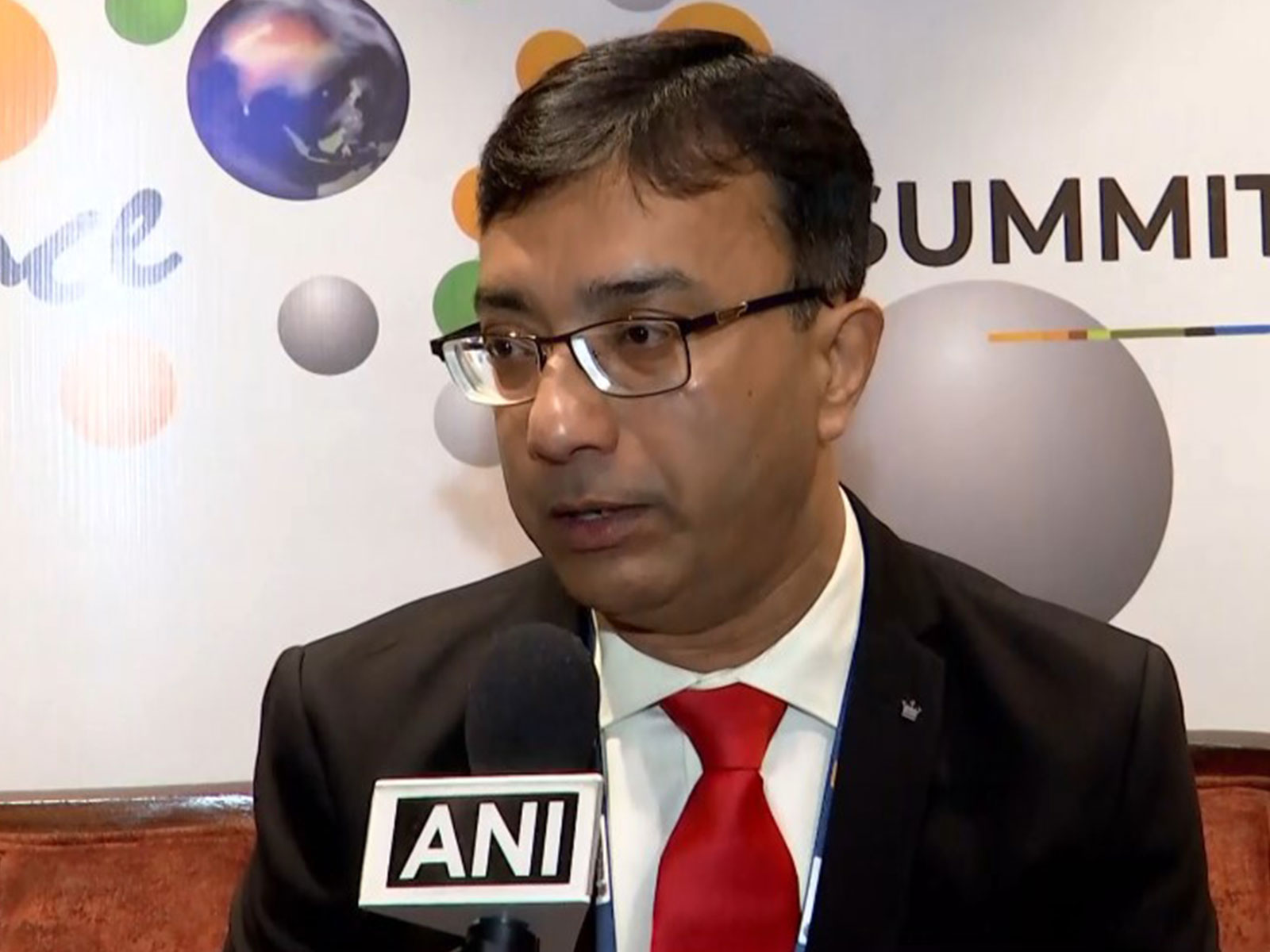
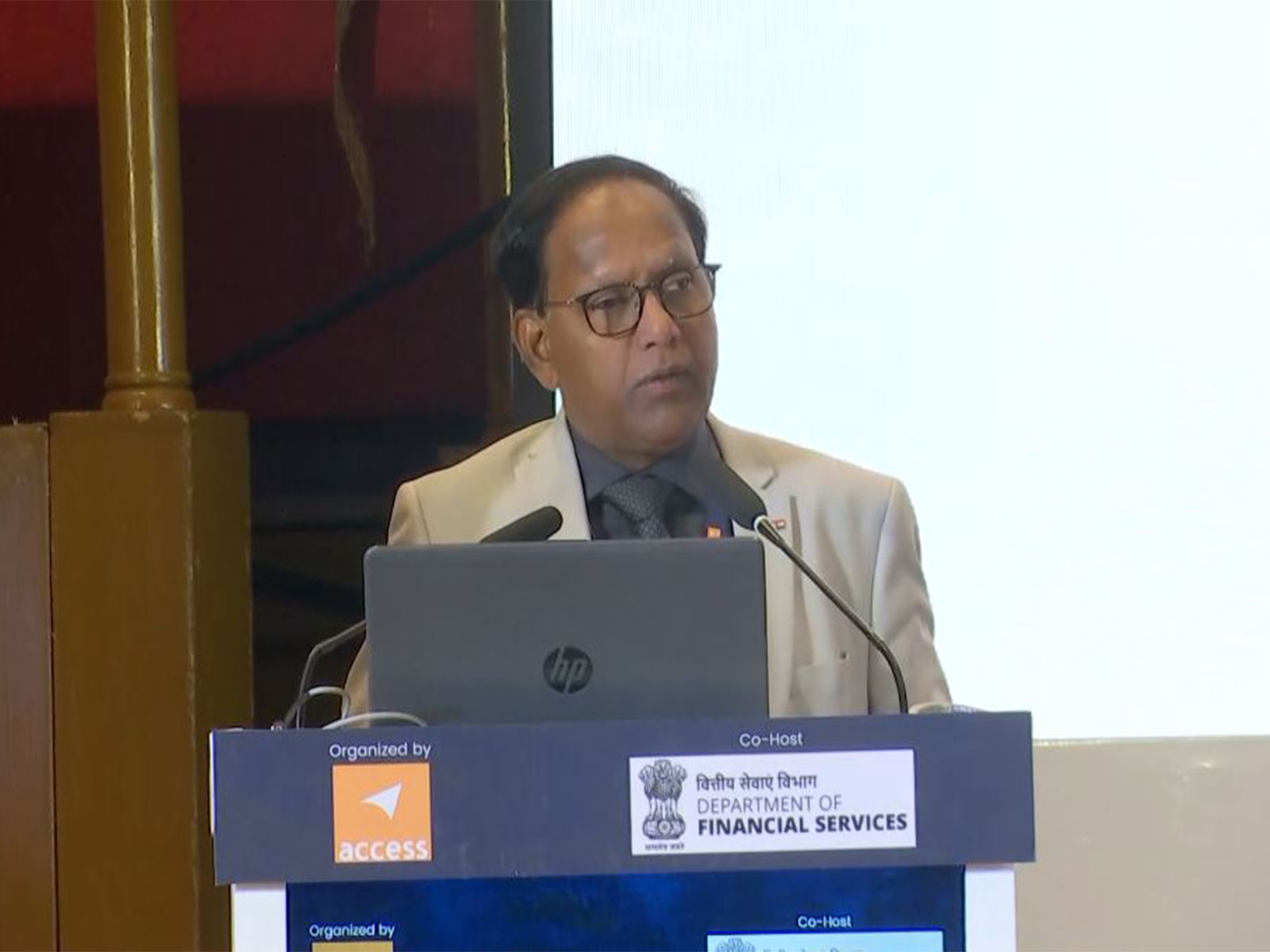
New Delhi [India], January 13 : India's ambitious financial inclusion drive has fundamentally transformed the economic landscape for hundreds of millions of citizens, particularly women and rural populations, a senior government official said at the Global Inclusive Finance Summit.
M Nagaraju, Secretary of the Department of Financial Services, described the launch of the Pradhan Mantri Jan Dhan Yojana (PMJDY) on August 28, 2014, as "one of the most transformative days in India's history."
Speaking at the summit, Nagaraju revealed that the scheme has opened more than 530 million bank accounts, with 72 per cent in rural and semi-urban areas. Women now hold 56 per cent of these accounts, effectively eliminating the gender gap in account ownership.
"Apart from the numbers, what has changed in the rural areas is the way women actually started perceiving themselves as equal stakeholders in the economic development of the family," Nagaraju said. "It has given a lot of empowerment to the women."
Deposits in PMJDY accounts have surged to Rs 2.29 trillion, making it the country's largest financial inclusion initiative.
The program operates through 6 lakhs banking correspondents who travel to villages and neighbourhoods to provide banking services.
India now leads the world in digital transactions, accounting for approximately 50 per cent of global real-time payments.
The Unified Payments Interface (UPI) processed more than 21 billion transactions in December 2024, outpacing card transactions by 101 per cent.
The government has leveraged this digital infrastructure to extend credit and insurance coverage to previously underserved populations. Under the Mudra scheme, over 563.2 million loans totalling nearly Rs 38 lakh crore have been sanctioned since April 2015, with 67 per cent going to women entrepreneurs.
Despite these achievements, Nagaraju identified several areas requiring improvement.
He emphasised the need to update Know Your Customer (KYC) details for accounts opened during the initial phase, strengthen financial literacy programs, and enhance cybersecurity measures.
Looking forward, Nagaraju outlined a three-pillar vision: ensuring financial inclusion leads to financial literacy, which in turn creates financial security through credit access, risk coverage, and pension provisions.
"If these three are able to be embedded in the financial inclusion agenda, the country is going to be much safer, much strengthened and much confident to march to the next century," he concluded.