India's M&E sector likely to grow to Rs 3.3 trillion by 2028, driven by digital and live experiences: FICCI-EY report
Mar 24, 2026
New Delhi [India], March 24 : India's media and entertainment (M&E) industry is witnessing a strong growth trajectory, driven by digital acceleration, evolving consumer behaviour, and rapid technological innovation, according to the latest FICCI-EY report.
The sector grew by 9 per cent in 2025 to reach Rs 2.78 trillion, outperforming broader economic indicators and reinforcing its position as a key pillar of India's digital economy.
The report noted that the industry has entered "a new phase of scale, innovation and transformation," marked by deeper audience engagement and platform convergence.
A major inflection point has been the rise of digital media, which has overtaken traditional television to become the largest segment within the industry. Streaming and online platforms are now central to consumption patterns.
Ashish Shelar, Minister of Information Technology & Cultural Affairs, Govt of Maharashtra, said, "Mumbai continues to be the creative capital of India and the epicentre of our media and entertainment ecosystem. From films and television to music, advertising, and digital content, Maharashtra has consistently led from the front, driving innovation, investment, and talent development."
Digital expansion is further reflected in advertising and subscription trends. Digital advertising now accounts for a dominant share of total ad spends, while paid subscriptions across video and music platforms continue to grow rapidly.
The report highlighted that "digital platforms are driving exponential growth, transforming revenue models and audience engagement."
Anant Goenka, President FICCI & Vice Chairman, RPG Group, said "India's media and entertainment economy is increasingly defined by the interplay of stories, scale and impact. As compelling stories scale seamlessly across platforms and screens, their value is amplified not just in terms of reach, but in economic contribution, job creation and cultural influence. Unlocking this potential will depend on how effectively the industry aligns storytelling, distribution and sustainable monetization across the ecosystem."
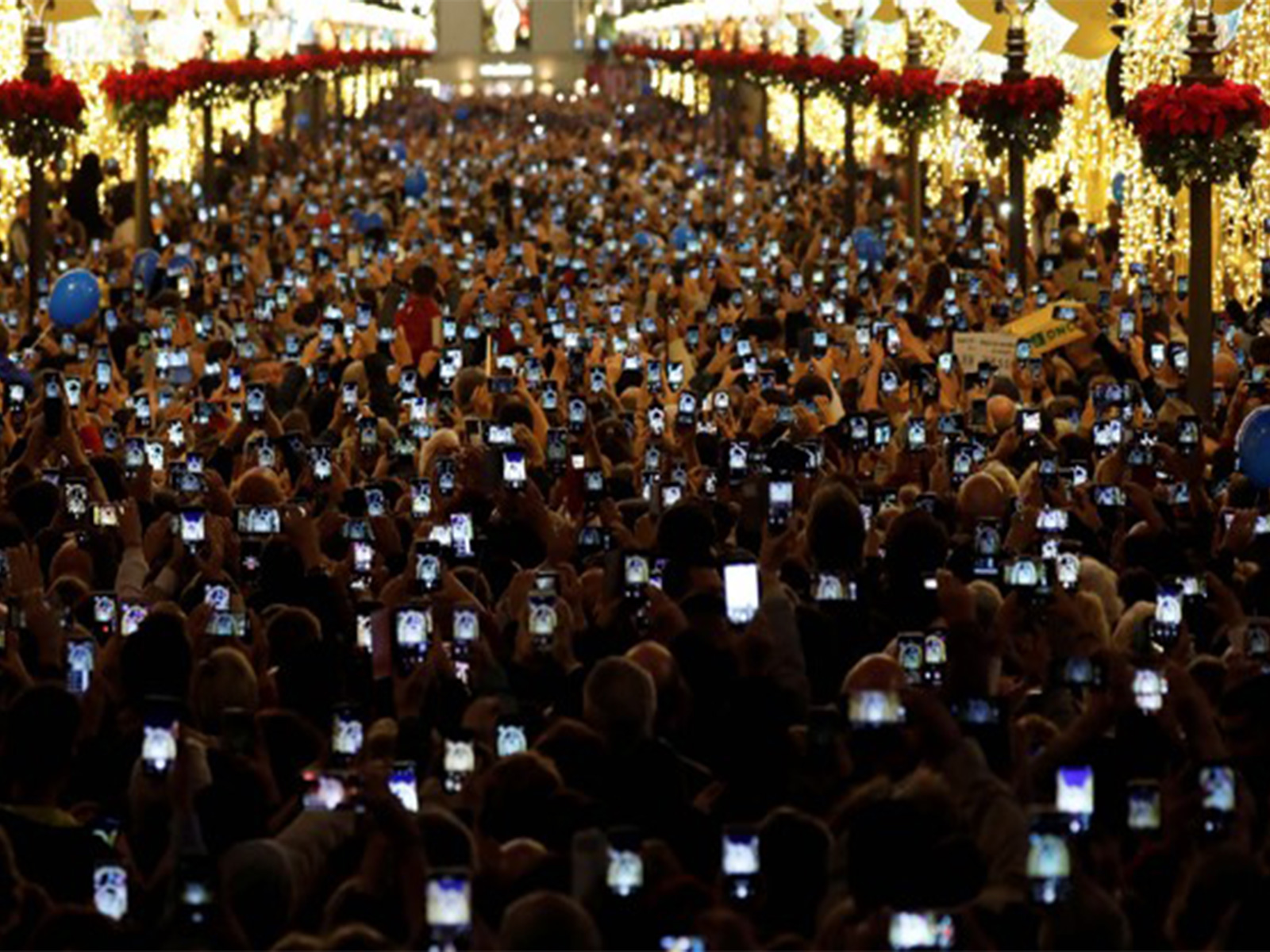
The surge in consumption is equally notable. Indians spent over 1.2 trillion hours on their phones in 2025, with nearly 59 per cent of that time dedicated to media and entertainment. This shift underscores the growing importance of mobile-first and on-demand content ecosystems.
Regional content has emerged as a powerful growth driver, expanding its share significantly across OTT platforms and film production. The report points out that a majority of content is now produced in regional languages, reflecting deeper penetration into diverse audiences.
At the same time, emerging technologies such as artificial intelligence are reshaping content creation and distribution. According to the report, AI is enhancing "efficiency, personalization and localization," enabling more immersive and targeted user experiences.
Live events and experiential entertainment are also witnessing strong momentum, registering double-digit growth as audiences increasingly seek shared, immersive experiences. This trend, combined with the rise of creator-led ecosystems and interactive formats, is redefining the industry's revenue mix.
Looking ahead, the sector is projected to cross Rs 3 trillion by 2027, with sustained growth expected across digital media, live events, and filmed entertainment.
Summing up the transformation, the report noted that the industry is "expanding in scale, innovating across platforms and embracing technology," positioning India as a global leader in the media and entertainment landscape.