India's structural growth story intact despite margin pressures, WPI-CPI spread: Aditya Birla Sun Life AMC, CIO
Aug 10, 2026
Mumbai (Maharashtra) [India], August 10 : Despite near-term margin pressures stemming from recent GDP growth revisions and widening Wholesale-to-Consumer price spreads, India's underlying growth story remains structurally strong, according to Harish Krishnan, Chief Investment Officer - Equity at Aditya Birla Sun Life AMC Ltd.
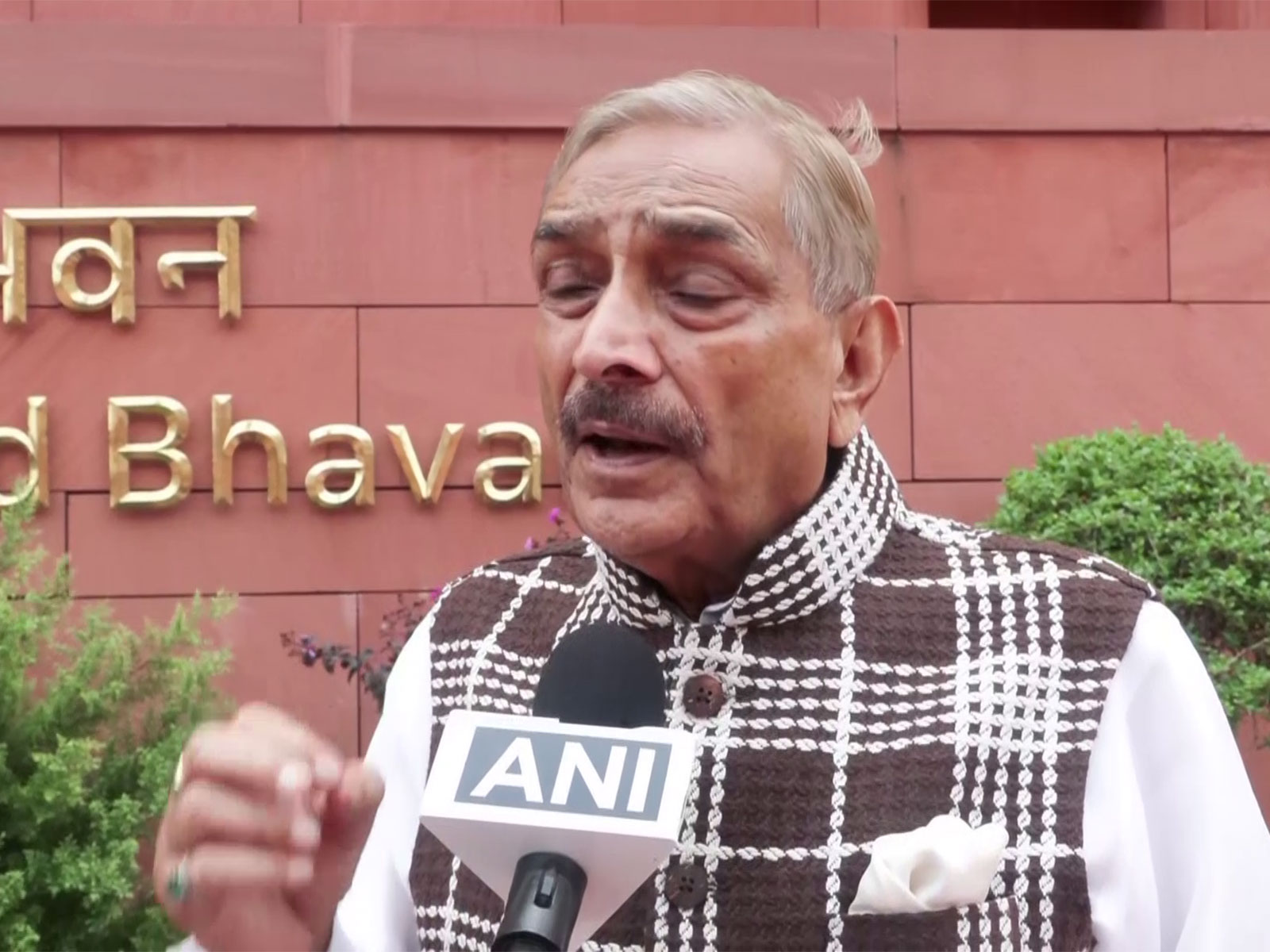
Speaking with ANI on the sidelines of the Emerging Investment Strategies & Half-Yearly Outlook of Aditya Birla Sun Life AMC, Krishnan emphasized that domestic enterprise earnings retain a robust medium-term trajectory.
"Around 25% of incremental global growth comes from markets like India, and therefore, the longer-term fundamentals of India continue to be really good," Krishnan said.
Addressing current profitability pressures, he added, "In terms of the difference between Wholesale Price Index inflation and Consumer Price Index inflation--yes, that has an impact on margins in the near term. However, we think this is a passing phase for various companies as they pass on pricing to the consumer in a staggered way."
Commentating on macroeconomic factors, Krishnan highlighted that recent Reserve Bank of India (RBI) interventions have successfully contained exchange rate volatility while maintaining competitive trade dynamics against major regional currencies.
"From a Chinese Yuan perspective, our currency became competitive by depreciating against it by close to about 20 percentage points. This puts our companies at a better competitive positioning compared to where they were before," Krishnan stated.
He reassured that domestic price levels are faring better than global peers, noting, "On inflation overall, India is in a far better position compared to the rest of the world where inflation has gone up significantly. Therefore, there are reasonable avenues for the RBI to both maintain currency competitiveness as well as kind of focus on inflation."
On the energy front, Krishnan observed that international crude prices hovering around $85 per barrel remain at the upper boundary of India's economic comfort zone, which typically spans $60 to $80 per barrel.
"So, therefore, we are at the upper end of that curve. Having said that, these are variables that we have to keep monitoring depending on how the geopolitical construct pans out," he explained.
He further noted that listed companies are navigating these input cost pressures effectively, as organized market players continue to gain market share from weaker, unorganized segments.
Addressing foreign portfolio capital outflows exceeding $25 billion, Krishnan observed that capital return triggers depend on global asset relativity and exchange rate stability.
"Foreign investors have lost on currency over the course of the last 18 to 24 months. Recent announcements by the RBI and subsequent capital flows will hopefully reduce that depreciation of the Rupee, which becomes a very strong catalyst for foreigners to come back into India," he pointed out.