"India's time has come": NSE's MD and CEO urged entrepreneurs to tap into capital markets
Jan 30, 2026
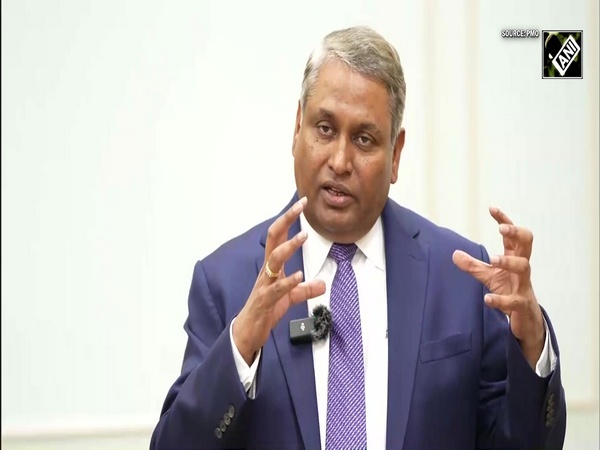
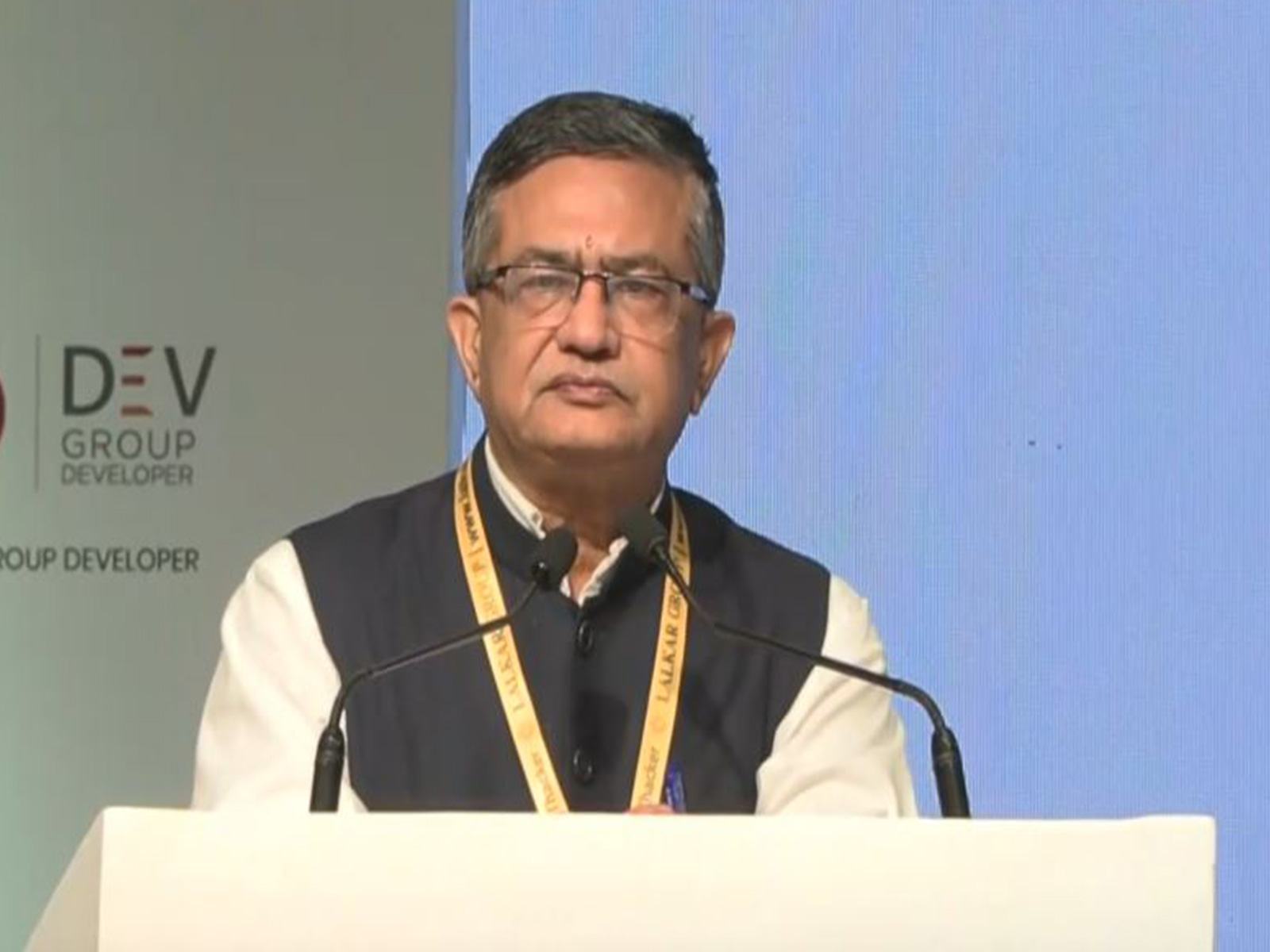
Mumbai (Maharashtra) [India], January 30 : Ashish Kumar Chauhan, Managing Director and CEO of the National Stock Exchange of India (NSE), on Friday highlighted the role of NSE in India's growth journey, and called upon overseas businesses to come and invest in the country as "India's time has come."
While addressing the business community in Mumbai, Chauhan said, "With over 12.5 crore investors, NSE's investor base would rank among the world's top 10 countries by population if it were a nation. NSE now enables even smaller enterprises to raise capital, giving entrepreneurs access to markets that were previously out of reach."
"One-third of India's economic value is reflected in the NSE," Chauhan said, urging business leaders and entrepreneurs to tap into capital markets saying, "India's time has come. Come back, build your businesses here, list on the NSE, and grow with the country."
Notably, NSE received the green signal from the Securities and Exchange Board of India (SEBI) to file an Initial Public Offer (IPO), sources said. Once the key document, the No Objection Certificate (NOC), is in hand, NSE can officially proceed to prepare its IPO application or Draft Red Herring Prospectus (DRHP). SEBI Chairman Tuhin Kanta Pandey, a few weeks ago, told ANI that the board is at a very advanced stage of issuing the NOC.
Further, at the event, Chauhan said India's future growth will be shaped primarily by technology adoption and its young population. He stressed that demographic trends will play a decisive role in the coming decades.
"Countries with ageing populations, such as Japan, South Korea, China, Europe, and even the United States, face slowing growth due to declining birth rates. In contrast, India is expected to remain young for a long time, accounting for nearly 25 per cent of the world's youth population," Chauhan said.
"Young societies adapt to technology faster. India's rapid adoption of digital infrastructure such as UPI, automated banking, and nationwide connectivity has created a unique ecosystem unmatched globally," he said.
"Technological innovation is now occurring in faster waves, accelerating wealth creation. In the Industrial Revolution, more wealth was created than in the previous 10,000 years. In the next 50 years, humanity will create even more, and India will be a major contributor," he added.
Chauhan argued that throughout history, the only force that has truly transformed societies is technology. "Technology creates new value, and societies that adopt it grow faster than those that resist change. From the discovery and control of fire to the invention of the wheel, weapons, decimal systems, navigation, and modern surgery, technological mastery has determined global leadership."
He highlighted India's historic contributions, noting that the decimal system, advanced metallurgy, surgical knowledge, and trade networks originated in India and spread across the world. Citing Roman-era records, Chauhan said India once attracted vast amounts of global wealth through trade. However, he observed that technological stagnation over centuries allowed other regions to overtake India.
Referring to economic history, Chauhan said India accounted for nearly 50 per cent of global GDP around 1,000 years ago, but its share fell to about 2 per cent by the time of Independence in 1947.
"This decline was not only due to colonial exploitation but also because we failed to adapt to new technological advances. Since economic liberalisation in 1991, India's share of global GDP has risen to around 4 per cent, a 100 per cent increase, though still modest relative to its 18 per cent share of the world's population," he said.