Industry leaders hail India's Semiconductor Mission as a game-changer
Feb 27, 2026
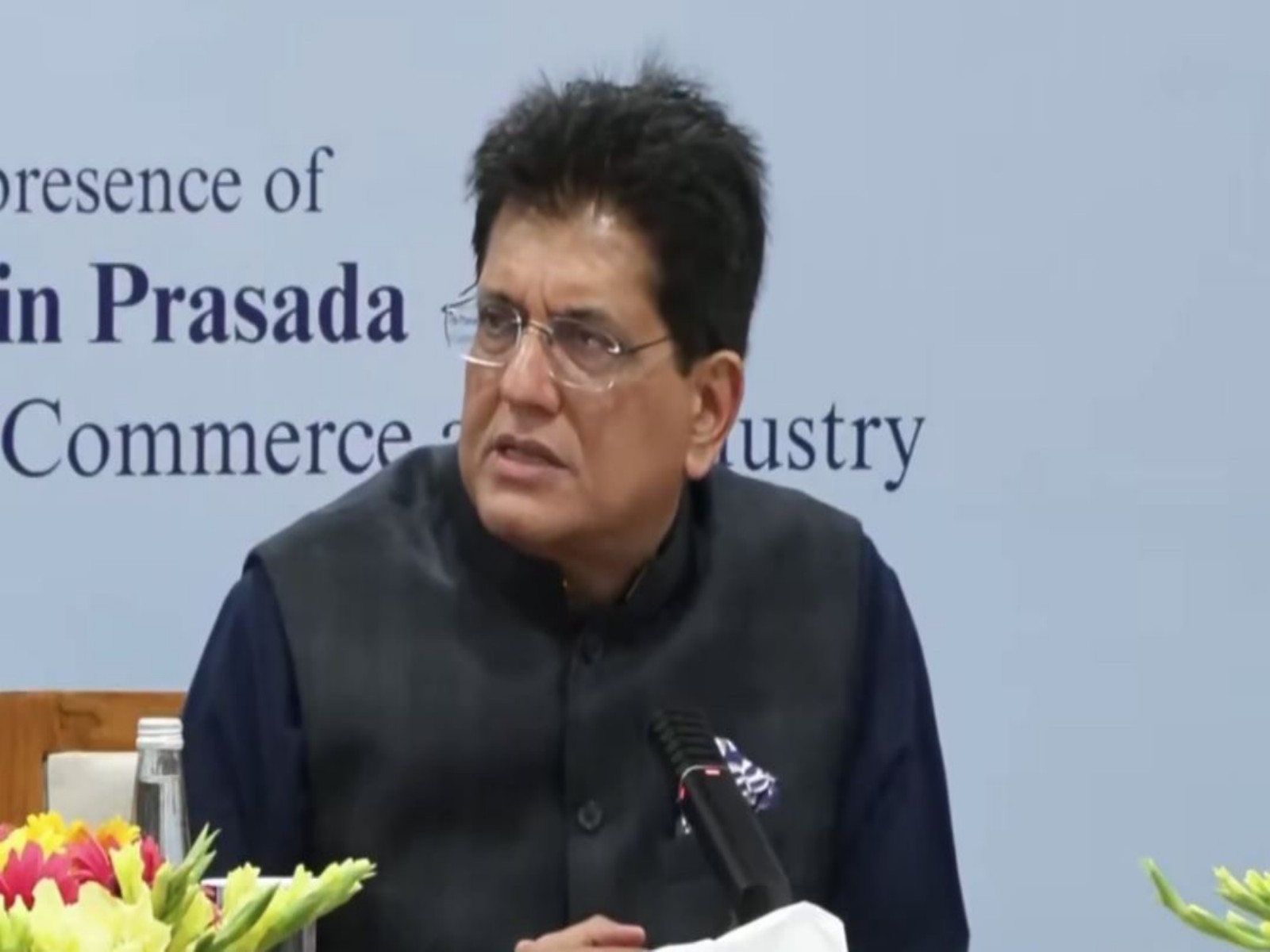
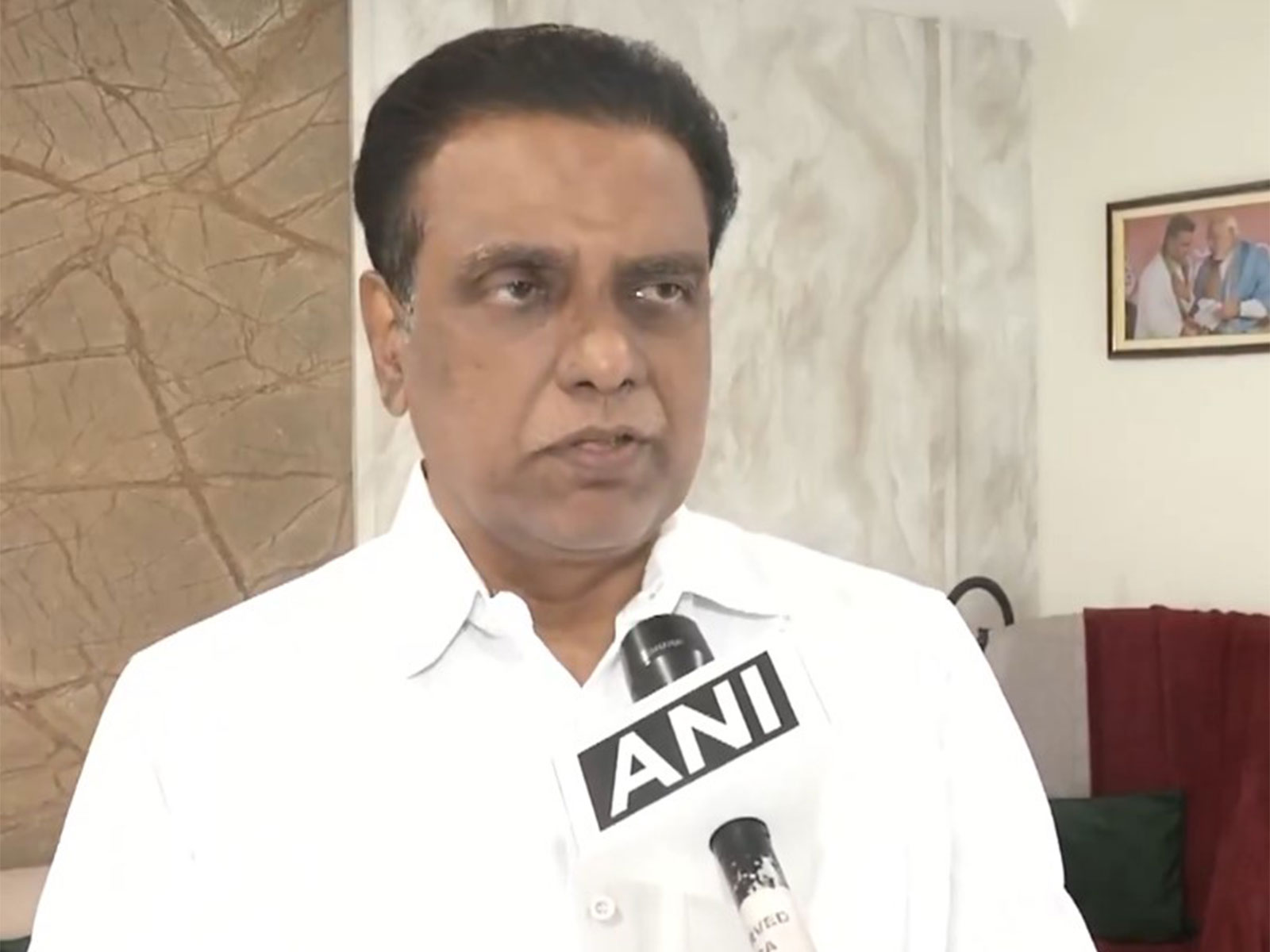
New Delhi [India], February 27 : Industry leaders and experts see "India's Semiconductor Mission" as a game-changer as the government aims to establish a strong semiconductor industry, boosting tech manufacturing and creating jobs across the country.
Industry leaders speaking to ANI today emphasised that the initiative serves as the foundation for national electronics self-reliance, aiming to reduce a long-standing dependence on volatile global supply chains. By establishing domestic fabrication units in states like Gujarat, Andhra Pradesh, and Assam, the mission seeks to secure the critical components necessary for telecommunications, digital governance, and the expanding 5G network.
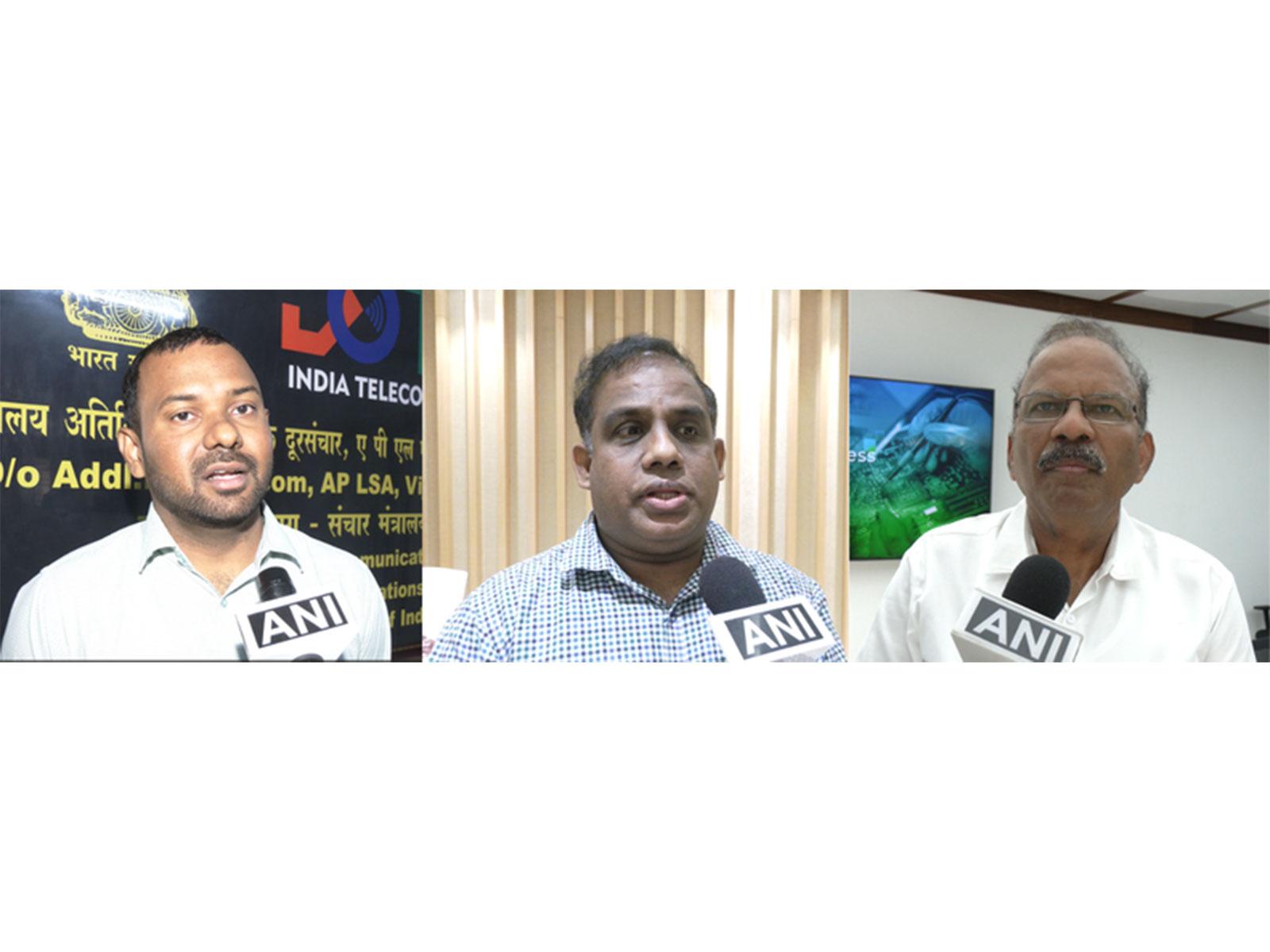
V. Srikanth, Director, Department of Telecommunications, Andhra Pradesh, stated that semiconductors are the base of any electronics and are essential to modern life. He noted that the mission is helpful across domains, including telecommunications, where items like routers, switches, and antennas depend entirely on these components.
"Previously, we didn't have any fabrication labs. Now only we might be having in Gujarat and Andhra Pradesh and Assam also, the fabrication units. And also, we used to import a lot of them from other countries. Nokia companies like Nokia Ericsson, Huawei or Samsung from Korea. So if there is any disruption in the supply chain because of the global events which are not in our control, our rollout is also affected," Srikanth said.
The push for domestic production is also tied to national security and the aggressive rollout of high-speed internet. Srikanth highlighted that the government plans to connect all Gram Panchayats through Bharatnet, requiring a massive volume of electronic devices.
"If we don't have that base of the production in our country, we need to depend on imports, which is not safe, which is not good, and it may have the effects of the security may be having the issues," he said. He further mentioned that using the "Desi version" of the 4G stack developed by C-DOT and manufactured by Tejas Networks ensures that the ecosystem, from small components to end-to-end products, stays within India, providing opportunities for the nation's young engineers.
"We need not depend on imports so that Atma Nirbaratha will be there, and also on the security side, we have our own products. So it will be expected to be more secure than what we are importing and also you might be aware that BSNL is using the entire 4G stack of Desi version only, our India version only which is developed by the C.DOT which is a government PSU and also the hardware components is produced by the Tejas networks which is managed manufacturing wholly in India," he added.
Ramesh Udatha, Managing Director for RV Tech Solutions, pointed to the significant financial backing for this sector, noting the "40,000 crore fund" proposed in the Union Budget toward the semiconductor industry. He observed that India is already becoming a formidable competitor to markets like China, with Apple iPhones now being manufactured locally.
"Apple itself, Apple iPhones are manufactured in India. So, where did this innovation and the product development come from? Lots of schemes like this, what this time the government is offering is 10 years back or 15 years back," Udatha said. He credited visionary leadership for laying the foundations for electronic manufacturing hubs that are now moving toward next-generation streams like quantum computing and AI.
Dasari Ramakrishna, Former Chairman of CII and Head of the E-Technology Industry, noted that while the PLI schemes increase the capability to manufacture routine chips like memories, the next step is developing high-value solutions around these chips.
"When you are able to build the solutions around the semiconductor technology, using the semiconductor technology and solving the problems of India. Indian problems are totally different from international problems because India is a very hard country. A lot of chips what is developed, the solutions in other parts of the world may not work in India because of the higher temperatures. So all hard countries need different solutions. So the majority of the developing nations are all cold countries. So the problem is India is not getting really required solutions. This is the one opportunity I feel India has to constantly improve so that we can even sell it," Ramakrishna concluded.