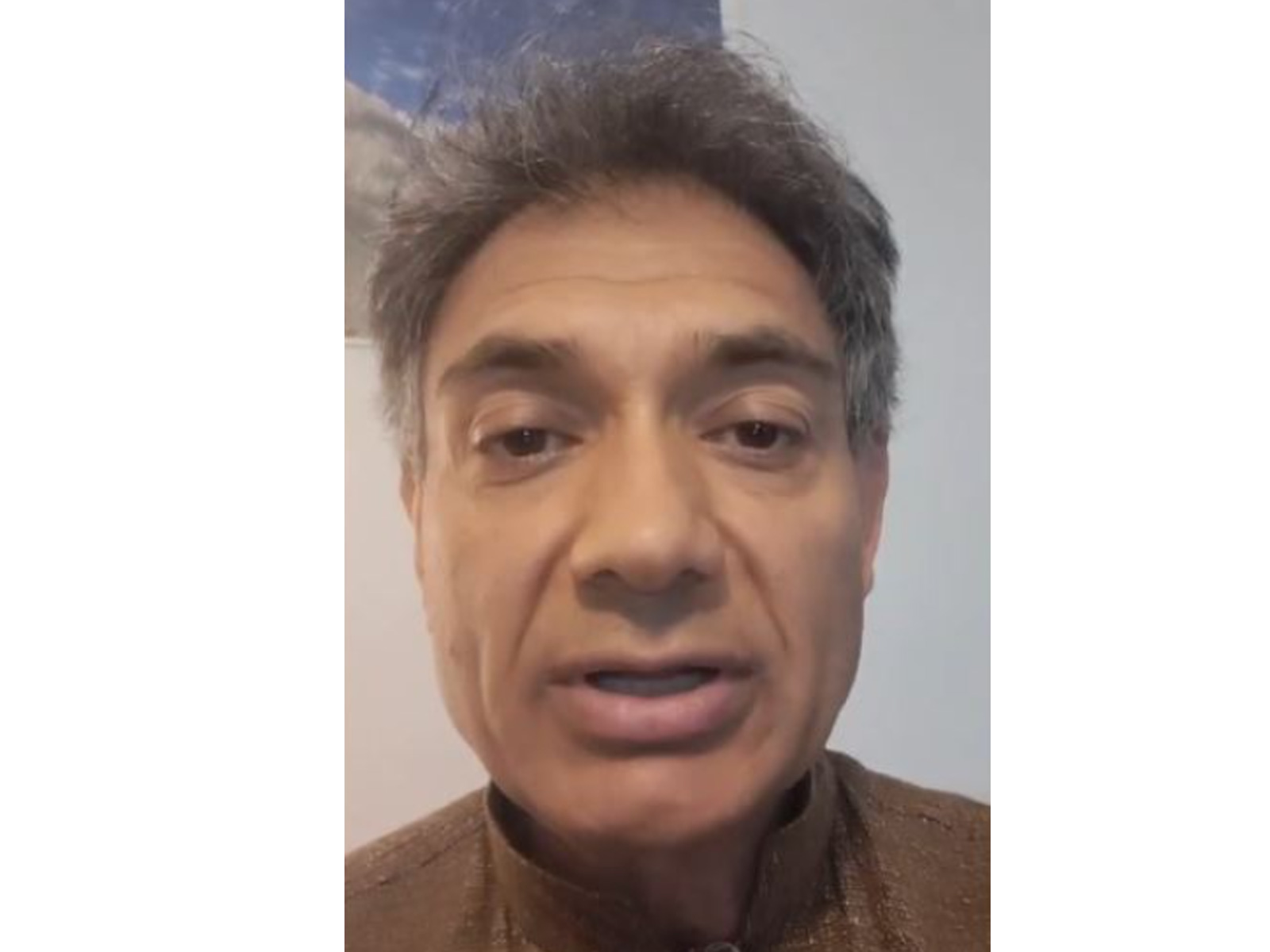
Institute for Gilgit-Baltistan Studies founder urges India to move ICJ over PoJK rights violations against "Indian citizens"
Jun 12, 2026
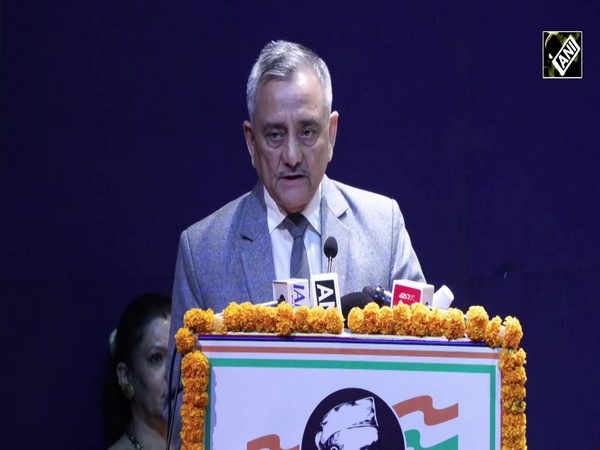
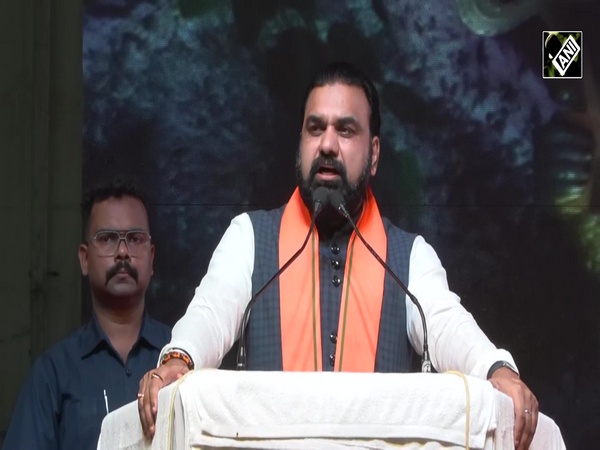
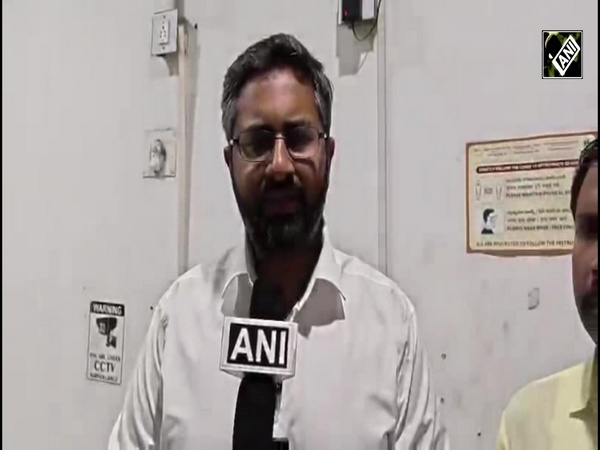
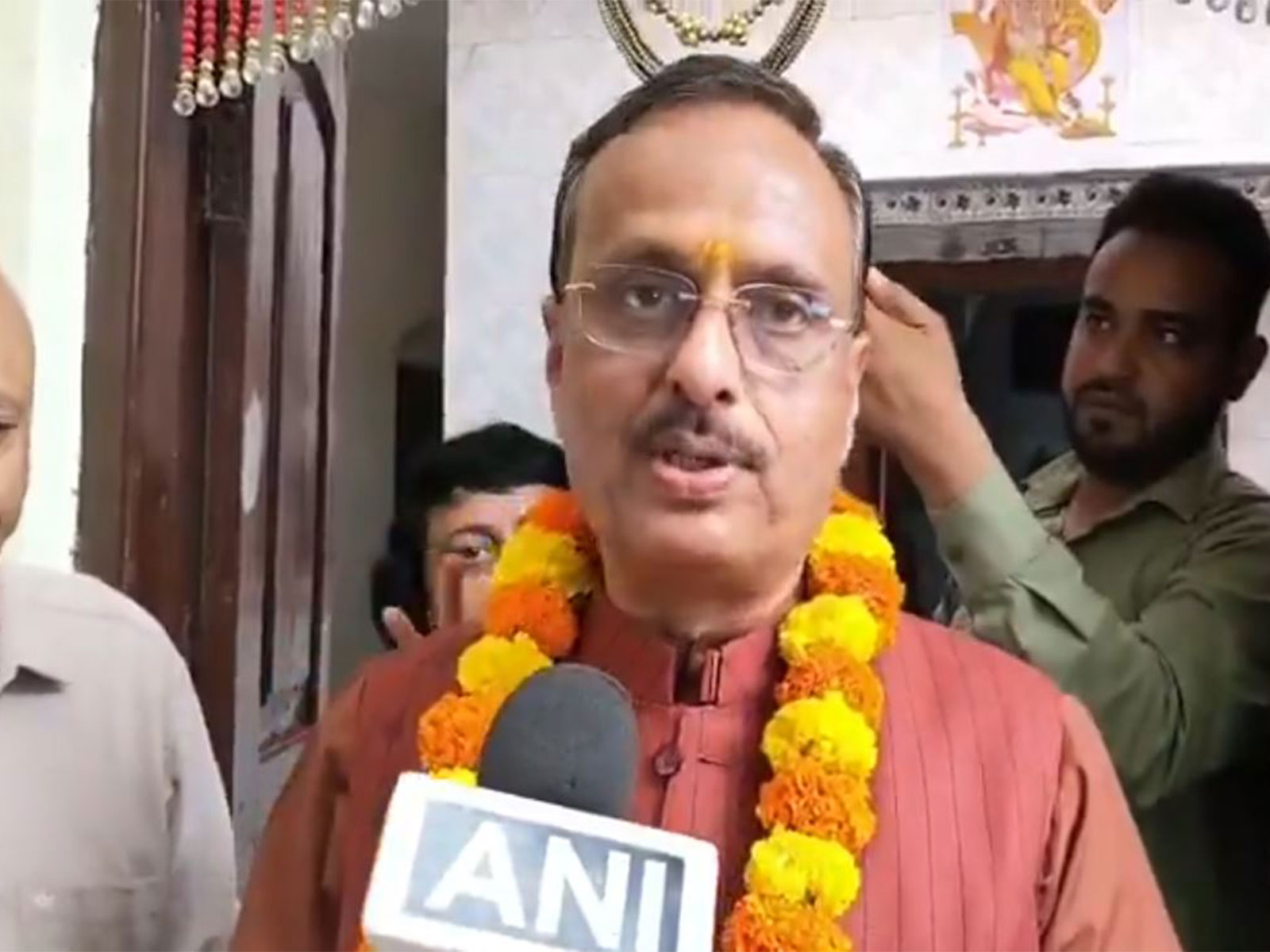
Washington DC [US], June 12 : Founder of the Washington-based Institute for Gilgit-Baltistan Studies, Senge Sering, on Friday urged the Indian government to approach the International Court of Justice (ICJ) over human rights violations in Pakistan-occupied Jammu and Kashmir (PoJK) by Pakistani forces amid recent clashes in the region, asserting that the Indian citizens in the region deserve protection.
Speaking on the deteriorating security situation in PoJK, Sering stated that Pakistan's authorities had unleashed a wave of repression in the region, targeting civilians and curbing their fundamental rights, while expressing solidarity with people in Mirpur, Muzaffarabad, Rawalakot and Poonch, stating that women were being attacked and properties looted.
"We appeal to the International Court of Justice to take the case against it and want the Indian government to appeal for the same. We are the citizens of India and it is the responsibility of India to protect the people of Jammu and Kashmir," Sering said.
"The government of Pakistan, the army of Pakistan, has created a market of oppression in the areas of Jammu and Kashmir. Women are being attacked; houses are being looted; shops are being looted," he added.
The founder further alleged that several people had been killed and that their bodies had not been returned to their families, backing the claims made by the Jammu Kashmir Joint Awami Action Committee (JAAC) over the bodies of several activists killed during clashes not being returned to their families.
"Dozens of people have been killed, and their dead bodies are not being handed over to their heirs. Because of this, it is not known how many people have been martyred," Sering said.
According to Sering, injured individuals were being denied medical treatment, while hospital staff faced intimidation. He also claimed that incidents of enforced disappearances and torture were taking place in the region.
"Many injured people are being forced to leave the hospitals. The staff of the hospitals are being threatened with not being treated. All these people are being kidnapped; they are being made missing persons, they are being abducted, and they are being tortured," he said.
Referring to restrictions on religious practices, Sering stated that people were unable to offer prayers at mosques due to ongoing violence.
"At this time, people are not allowed to pray in the mosques due to blind firing, and they are being killed there," he added.
Drawing parallels with the same kind of repression caused by the Pakistani side following the partition in 1947, Sering said, "The incidents of 1947 are being repeated," while appealing to the international community, the United Nations and the ICJ to intervene.
"We appeal to the international community to stand with the people of Jammu and Kashmir who are being held by Pakistan and to put pressure on Pakistan to get it out of there immediately," he added.
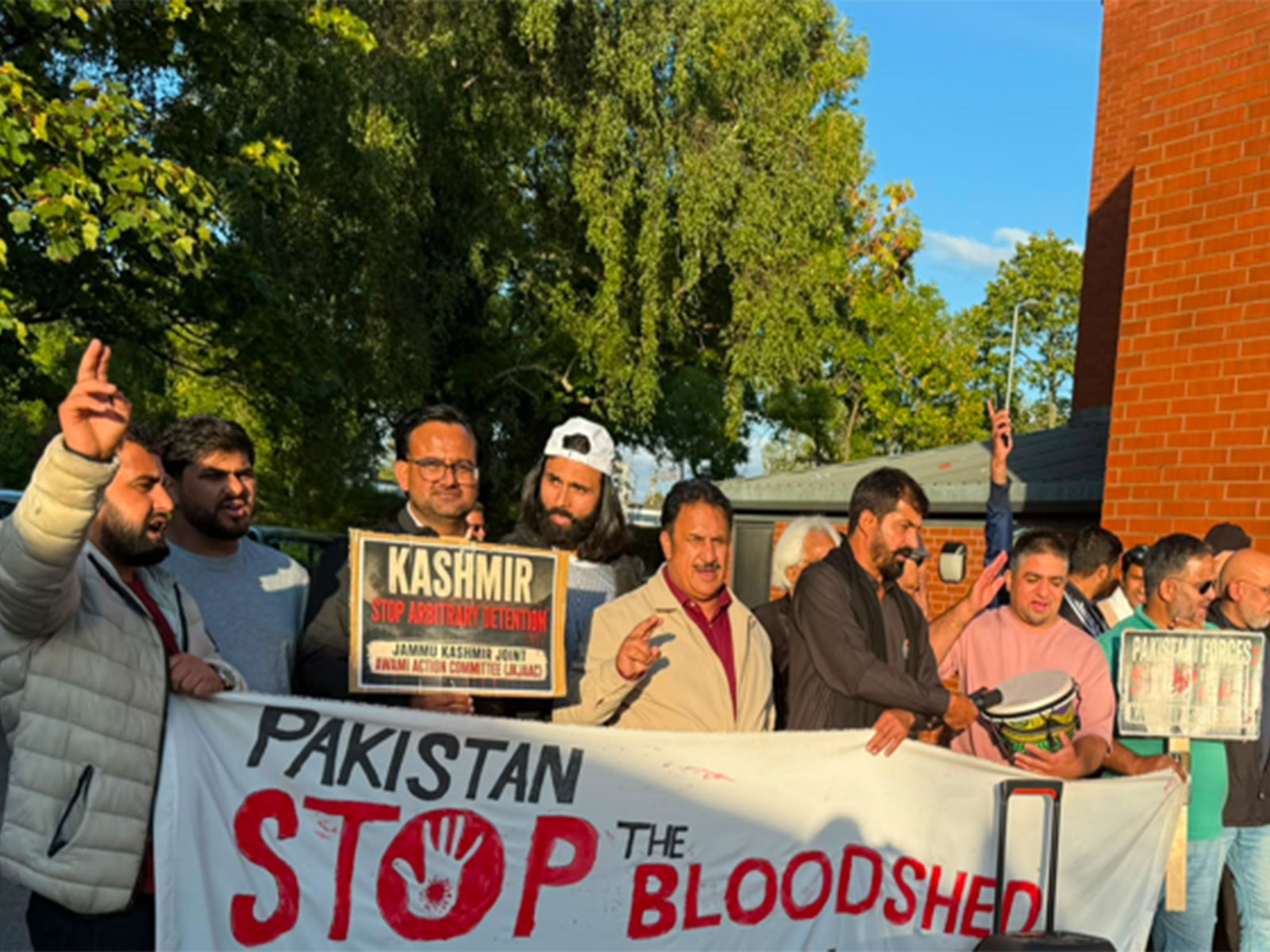
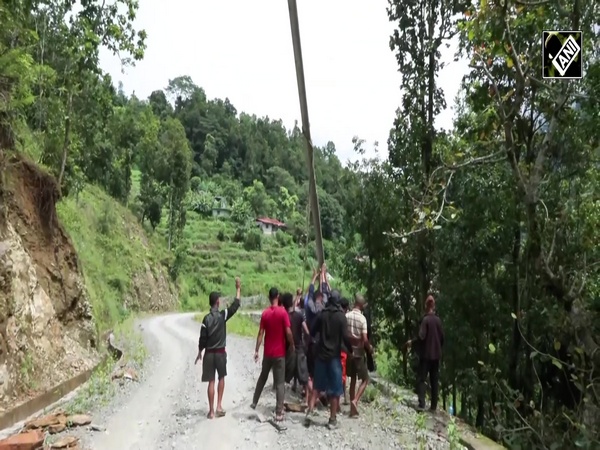
This comes after widespread protests in PoJK, where residents have taken to the streets to demonstrate over issues including governance, economic hardship, and the allocation of reserved legislative seats.
Soaring inflation, high electricity bills, and the scarcity of essential commodities are some of the other issues over which the protestors are demonstrating.
Local media reports have suggested that the Pakistani administration has deployed paramilitary forces to quell the dissent, leading to violent clashes and casualties.
Clashes between demonstrators and security forces in Rawalakot and other areas have reportedly left several people dead and many injured, triggering widespread condemnation and calls for an independent investigation.