Integrated industry capacity, skills and technology adoption key to railway infrastructure expansion: Ashwini Vaishnaw
Mar 03, 2026
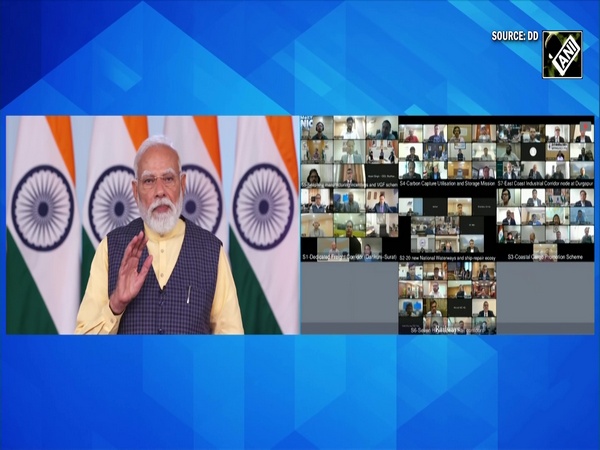
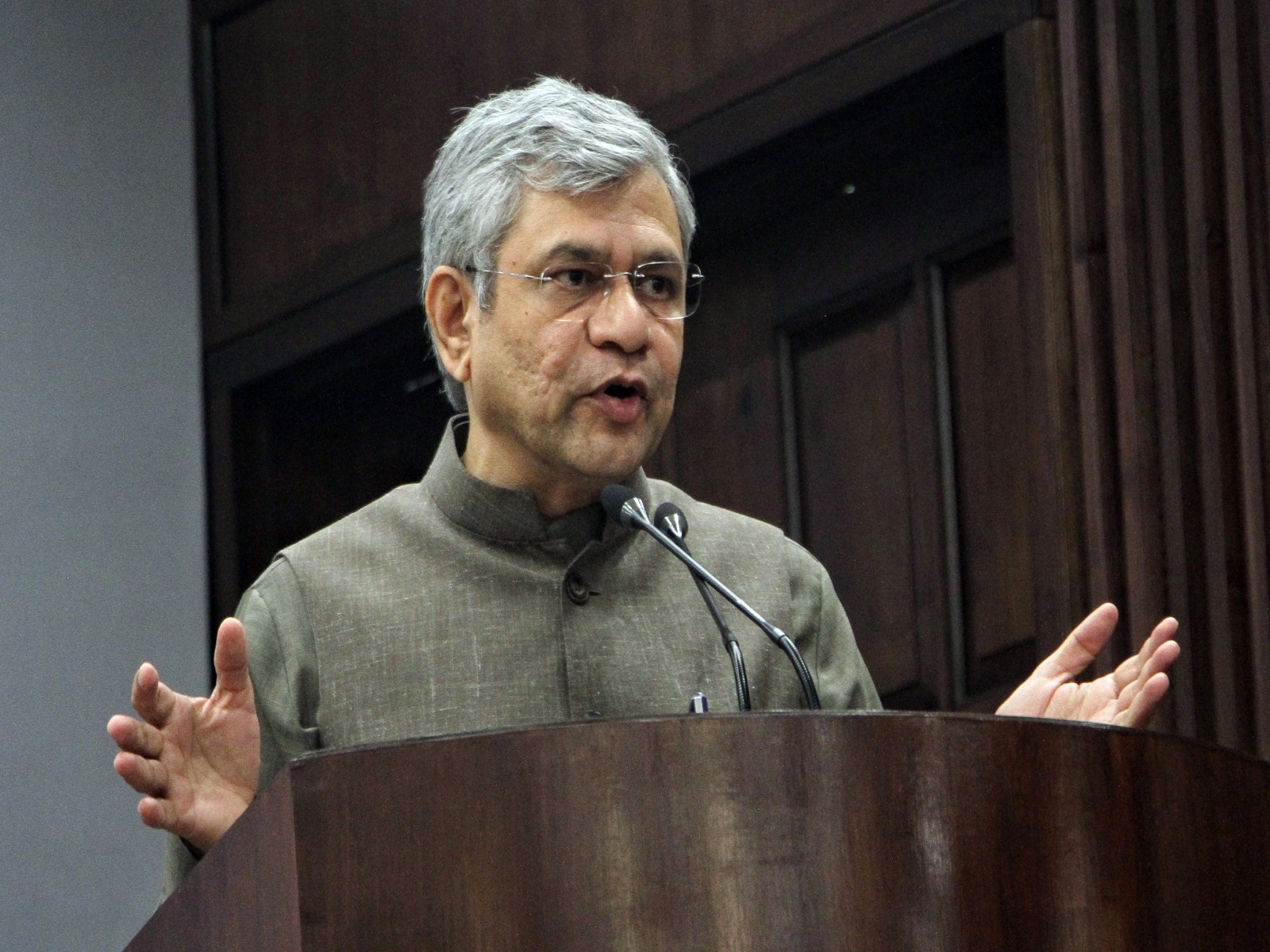
New Delhi [India], March 3 : Union Minister for Railways, Information & Broadcasting, and Electronics & Information Technology, Ashwini Vaishnaw, addressed the second instalment of the Budget Webinar series on Tuesday, focusing on the theme of "Sustaining and Strengthening Economic Growth: Infrastructure, Logistics & Freight."
During the webinar, the Union Minister highlighted three key focus areas for the sector: scaling up capacity in a synchronised manner, strengthening quality and qualification standards, and reforming documentation and contractual frameworks to reduce disputes and ensure the timely delivery of projects.
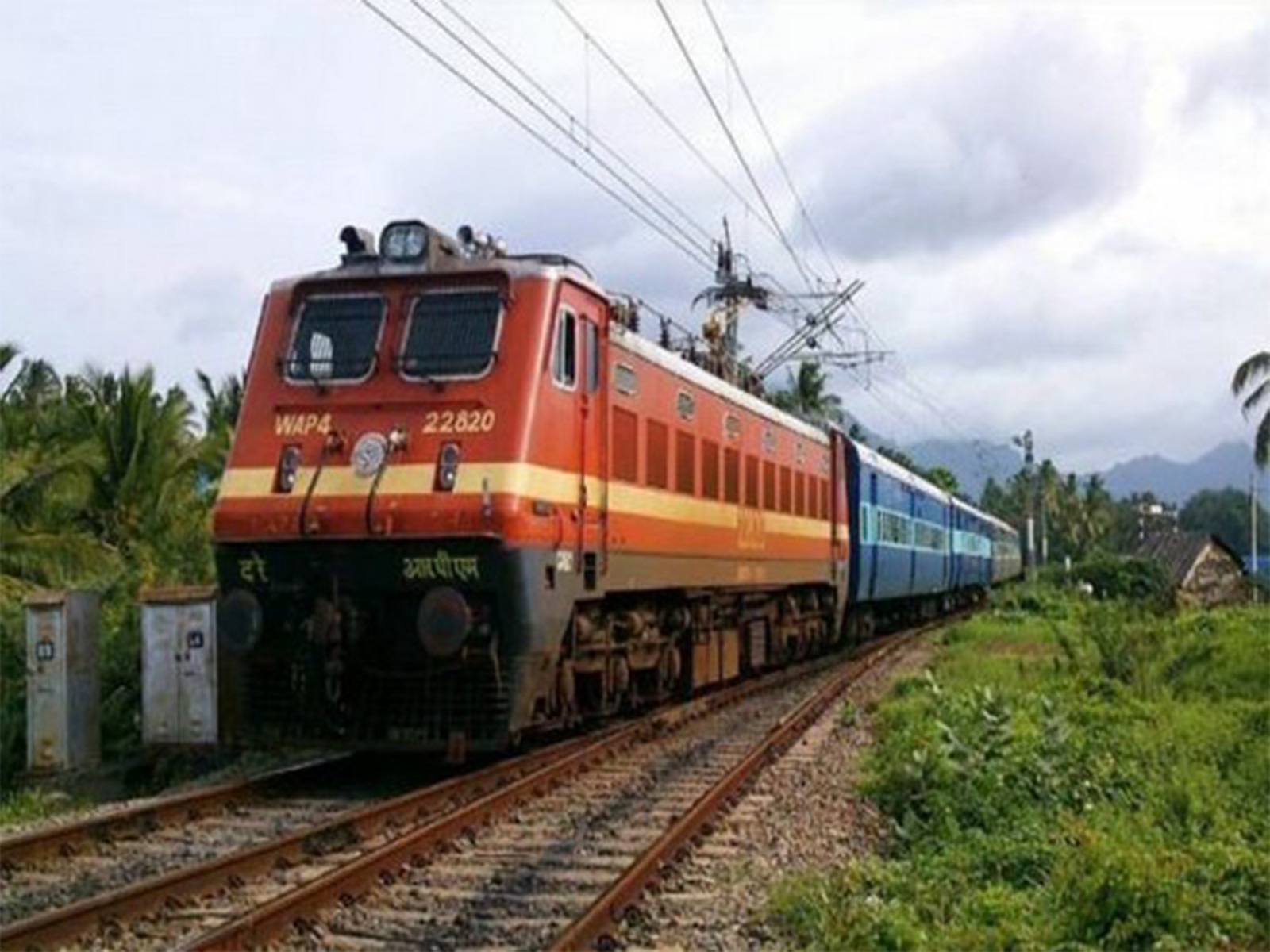
Vaishnaw underlined the unprecedented growth of India's railway network over the past decade. Approximately 35,000 km of new tracks have been added, surpassing the total railway network of Germany. Further, nearly 99% of the network has been electrified.
The Union Minister emphasised that such rapid scaling poses a major challenge: enhancing industry capacity and resources in tandem with government expansion. He stressed that railway development is fundamentally a partnership between industry and government. Sudden increases or decreases in project scale can adversely affect industry preparedness. Therefore, skilling, supervision, quality standards, and technology adoption must grow in sync with infrastructure expansion. Inputs from industry stakeholders will help shape future reforms.
Addressing high-speed rail development, Vaishnaw highlighted the Mumbai-Ahmedabad High-Speed Rail Corridor as a steep learning curve. He noted that train operations beyond 160 km per hour increase design and operational complexity exponentially.
Through collaboration with IITs, industry partners, and railway engineers, India successfully navigated these challenges.
Building on this success, the Union Minister announced that the Prime Minister has approved seven new high-speed passenger corridors spanning 4,000 km.
Vaishnaw emphasised that achieving infrastructural targets will require coordinated efforts across railways, industry, supply chains, equipment manufacturers, service providers, operations and maintenance teams, signalling experts, rolling stock manufacturers, and producers of specialised electrical conductors. He invited major construction and design firms to focus workshops to deliberate on these challenges.
Vaishnaw underscored the urgent need to tighten qualification criteria and reduce excessive subcontracting. Public projects, he said, must adhere to even stricter quality and accountability standards, ensuring that government funds are used efficiently and disputes are minimised.
Vaishnaw thanked industry professionals, participants from various ministries, executing agencies, and stakeholders who contributed insights during the post-Budget webinar. He said the suggestions will serve as a foundation for reforms across the sector.
The Union Minister also extended gratitude to Union Ministers Manohar Lal Khattar, Sarbananda Sonowal, and K Ram Mohan Naidu, along with the Secretaries of Ports, Shipping & Waterways, Power, and Civil Aviation. He described the webinar as an effective platform to deliberate on key issues and develop innovative solutions aligned with the Union Budget announcements.