International support might force China to resume dialogue: Sikyong Penpa Tsering
Mar 24, 2026
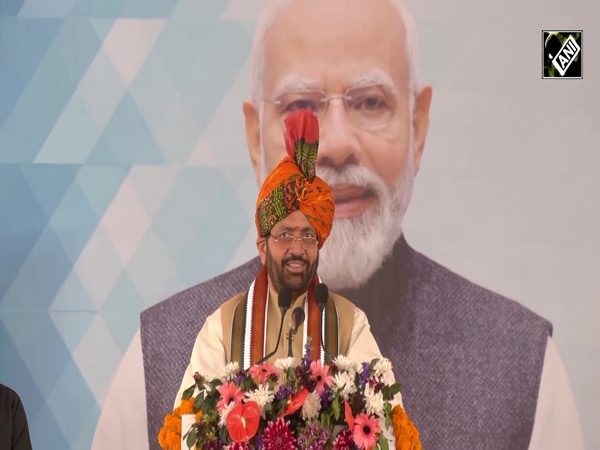
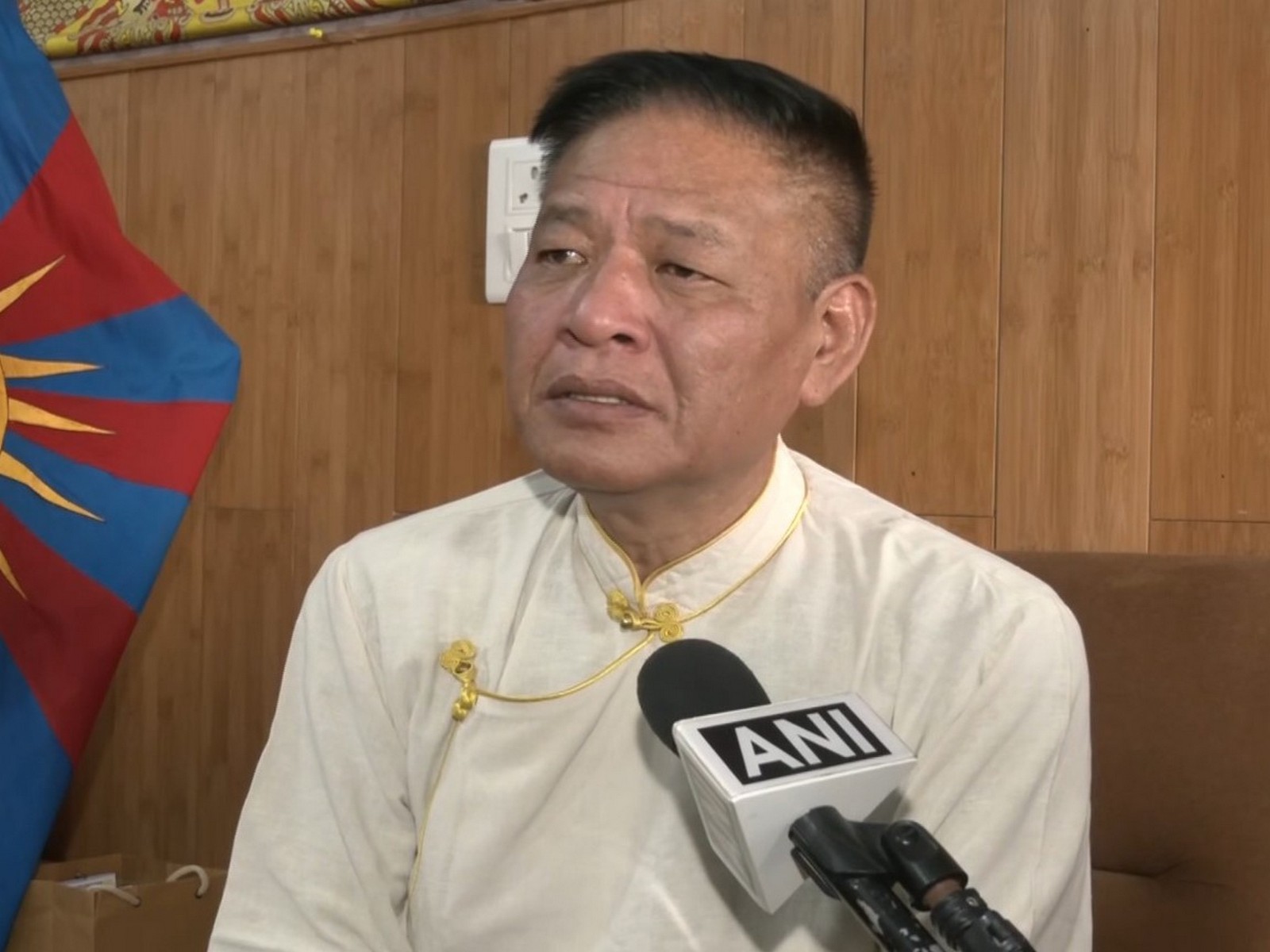
Dharamshala (Himachal Pradesh) [India], March 24 : Sikyong Penpa Tsering (President) of the Central Tibetan Administration (CTA), the Tibetan government-in-exile, said increasing international recognition of Tibet's historical status could push China to reopen dialogue, while emphasising existing back-channel contacts as largely "inconsequential".
Speaking to ANI in Dharamshala, Tsering said the CTA's current strategy is to reach out to more governments worldwide to acknowledge Tibet's historical sovereignty.
"By having more countries accept the reality of Tibet's sovereignty in the past, that might force the Chinese government to come and talk to us, that's one idea," he said.
The Sikyoong said prospects for " productive" talks "look very unlikely" under the leadership of Chinese President Xi Jinping, adding that the Tibetan administration will continue engaging the international community until conditions for dialogue improve.
"Right now, if you look at the policies of the Xi Jinping government, one pillar of the government looks very unlikely that there could be any productive talks, so that's why we keep saying that till such a time we will have to reach out to the international community," Tsering said.
He added that the Tibetan side is not asking other countries to "lie, Tibet was an independent country", but to recognise documented historical perspectives.
"We are not asking other countries to lie; Tibet was an independent country. We have these two books I always carry, one by a Chinese professor with irrefutable evidence that if you consider Yuan and the Qing also as Chinese dynasties aside from the Mings, imperial China has never considered Tibet as a part of China. Then there is another book looking at Tibetan history from the legal perspective and also proves that Tibet was never considered as part of China," he said.
Tsering acknowledged that some communication channels with Beijing still exist but said they have not led to meaningful engagement.
"There have been back channels. I cannot lie about what is happening and what is not happening. I have said that many times, but it's inconsequential because there is nothing that can come out of it, because the whole idea is whether we can re-establish contact or not. Are they willing to talk or not? So we have not reached that level also. It's just more information sharing, those kind of things. So yes, we do keep this contact just in case we need a channel of communication otherwise... we don't expect much from the back channel," he said.
Tsering also expressed concern about the situation inside Tibet, saying increasing surveillance and restrictions have made it harder for Tibetans to leave the region.
"Last year it was less than 50, and this year it's just a few that managed to come out because there are much more restrictions. There is much more control inside Tibet," he said.
He alleged that Chinese authorities use advanced surveillance technologies to monitor Tibetans.
"China's monitoring and surveillance of Tibetan people using the Silicon Valley products, including IBM, thermal DNA testing and all that using Western technologies to control... they have perfected the art of control and surveillance... so they can track everything, including your financial track record and transactions. That's how they control you," he said.
He added that despite restrictions, Tibetans continue to show loyalty to the Dalai Lama and remain commited to preserving Tibetan culture.
He said, "But still revenge spirit has not broken. Even though they're not able to come out. Their spirit, their respect and loyalty for his Holiness the Dalai Lama and for the importance of Tibetan culture."
Tsering also thanked Tibetan voters after being re-elected as Sikyong. The Tibetan Election Commission-in-exile on February 13 declared him elected for the 17th Kashag, after he secured more than 60 per cent of the total votes in the preliminary round, eliminating the need for a final round of voting under election rules.