Investing in women's employment key to resilient, inclusive economy: WEF's Ebru Ozdemir
Jan 18, 2026
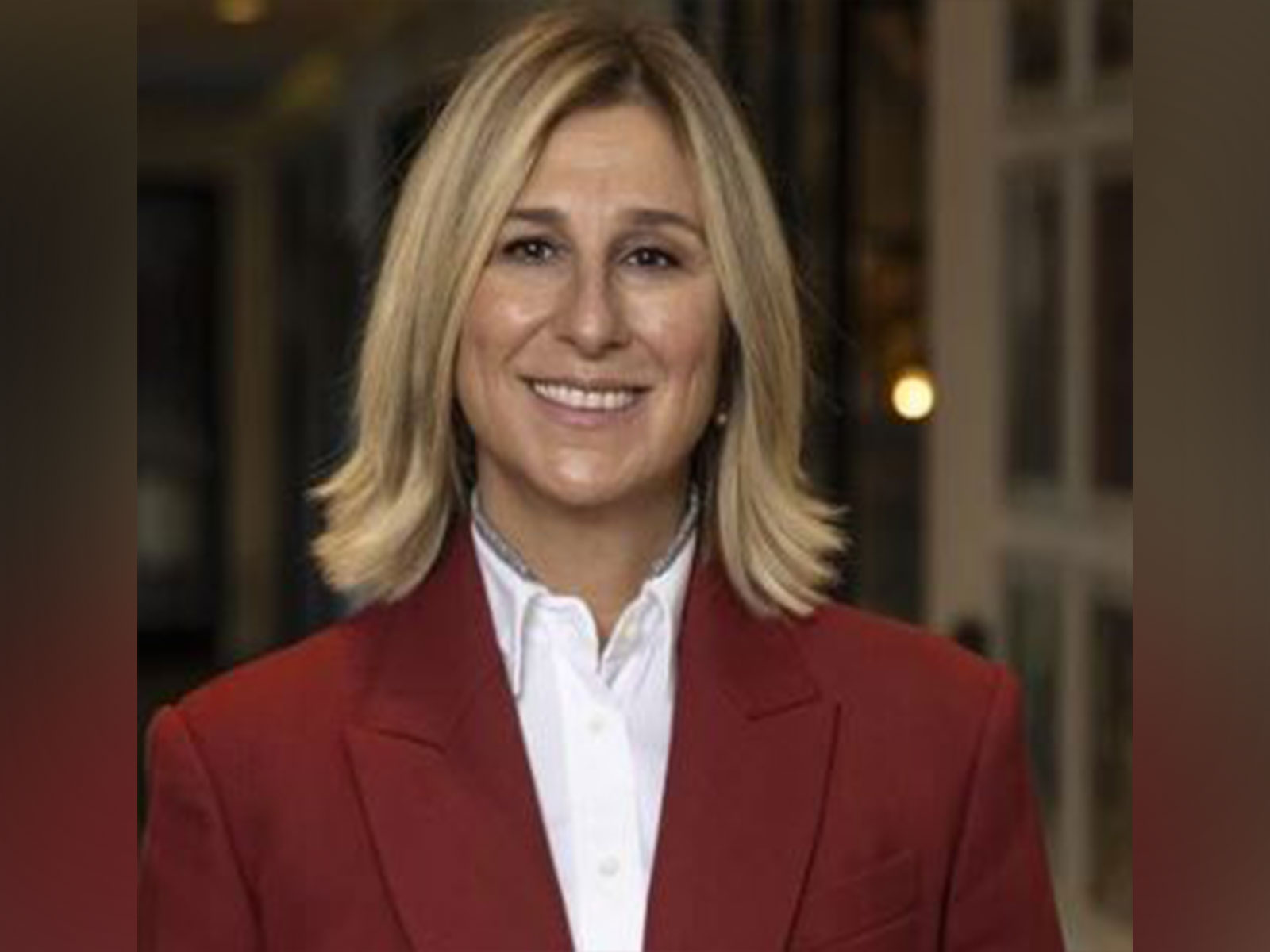
Davos [Switzerland], January 18 : Investing in women's employment is the most efficient way of achieving a resilient, inclusive and future-proof economy, according to Ebru Ozdemir, Chairperson of the Board, Limak Holding, and Chair of World Economic Forum Engineering and Construction Industry Group.
In an article ahead of the annual Davos summit, Ebru Ozdemir noted that reskilling and upskilling programmes must be gender-focused to truly keep pace with the evolving digital economy.
Her article also suggested that integrating more women into STEM professions is essential for finding the human capital needed to solve planetary-scale issues.
"We cannot achieve a sustainable economy without gender parity in STEM. Putting women at the forefront of engineering and technology is the most crucial investment for growth and resilience," she writes.
In her article titled 'From digital divide to investment dividend: Why women are the key to a future-proof workforce,' she argues that the world must reframe the investment in women and girls not as a social expense, but as the highest-return capital expenditure for the resilient, inclusive and future-proof economy the world desperately needs.
"The foundational truth remains: Investing in women is investing in humanity's most underutilized economic engine," she writes.
Investing in the skills of female engineers is not just a matter of social justice; it is the most direct way to secure the specialized human capital necessary to solve the trillion-dollar, planet-sized problems discussed in Davos every year, she continued. "It's how we ensure that our infrastructure investment is not just built, but built sustainably and inclusively."
"Let us ensure that 50 per cent of that future workforce - the women who are ready to lead - are given the tools to shape it," she writes. "The dividend is a world that is not just sustainable, but truly equitable, resilient and ready for whatever the next revolution brings. Let's make that investment now."
The World Economic Forum (WEF) will convene its 56th Annual Meeting in Davos from January 19 to January 23, 2026, bringing together nearly 3,000 leaders from more than 130 countries at a moment of heightened geopolitical tension, economic uncertainty and rapid technological transformation.
Held under the theme "A Spirit of Dialogue," Davos 2026 seeks to provide an impartial platform for global leaders from government, business and civil society to reconnect, rebuild trust and explore collaborative solutions to challenges that increasingly transcend borders.
This year's programme is shaped by ongoing geopolitical realignments, slowing global growth, trade frictions and accelerating technological change. Across sessions on geopolitics, growth and global governance, participants will explore how cooperation can be renewed amid contested norms, strained alliances and eroding trust.
The Annual Meeting is expected to see record levels of government participation, with around 400 top political leaders, including nearly 65 heads of state and government and six leaders from the G7, taking part.