Iran conditionally agrees for talks with US amid threats of strike
Feb 05, 2026
Tehran [Iran], February 6 : Iran has conditionally agreed to hold talks with the US to avert the threat of further military strikes, CNN reported.
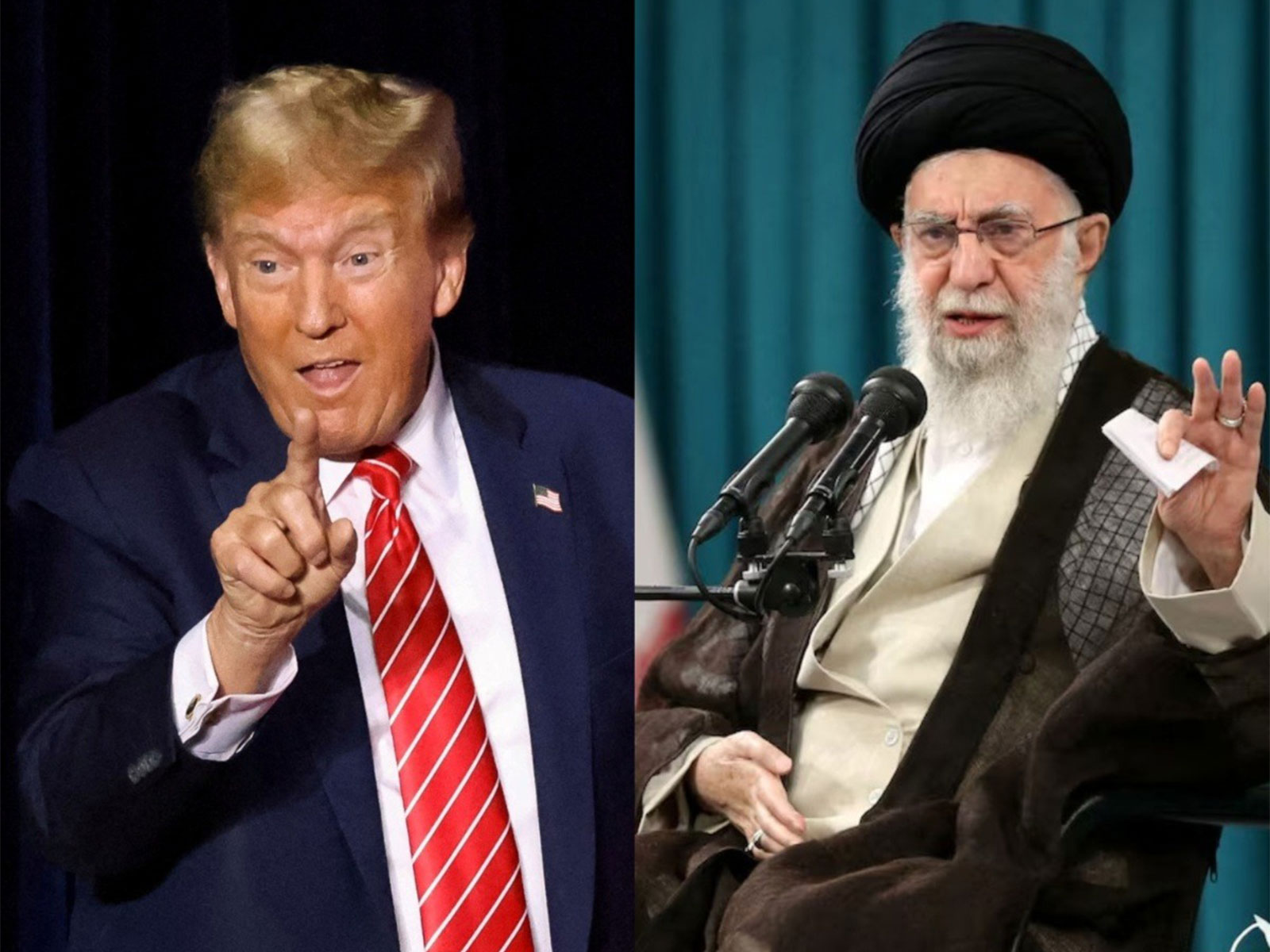
The push for renewed diplomacy comes after weeks of escalatory rhetoric between Washington and Tehran. US President Donald Trump has repeatedly warned that unless Iran agrees to a deal on its nuclear program, "bad things" could happen, a message that has been amplified by the movement of a US carrier strike group and other military assets into the Middle East.
According to CNN, the discussions are expected to be held in Oman. Iran's ISNA news agency also reported Oman as the venue for talks on Friday.
Iranian President Masoud Pezeshkian, under pressure from regional powers and amid internal unrest, has formally instructed Foreign Minister Abbas Araghchi to engage in negotiations with the United States "provided that a suitable environment exists ... free from threats and unreasonable expectations."
"I have instructed my Minister of Foreign Affairs, provided that a suitable environment exists -- one free from threats and unreasonable expectations -- to pursue fair and equitable negotiations, guided by the principles of dignity, prudence, and expediency," Pezeshkian wrote on X.
One of the central disputes remains the scope of negotiations. Tehran insists discussions address only its nuclear activities, while the US seeks to expand the agenda to include Iran's ballistic missile capabilities and its support for proxy forces in the region. Iran has repeatedly described limitations on its defense capabilities as a red line, complicating negotiations, reported CNN.
Underlying the diplomatic maneuvering is a stark reality: after Iran's bloody crackdown on anti-government protests and subsequent Western condemnation, the US has maintained a tough posture that includes multi-day military drills in the Middle East and explicit threats of force if Tehran does not compromise on key issues.
Iranian officials, for their part, caution that any military action would be met with force and risks spiraling into a broader conflict. Tehran also emphasizes that sanctions relief remains crucial to its participation in negotiations, while its leadership has warned that US strikes could spark widespread regional instability.
Israeli leaders have also weighed in, urging US negotiators to remain sceptical of Iranian intentions and demanding stringent conditions for any agreement, adding another layer of complexity to the already fraught diplomatic efforts.
The talks are set against a long and turbulent history of nuclear diplomacy, including past agreements and breakdowns such as the 2015 Joint Comprehensive Plan of Action, from which the US withdrew in 2018. Iran's enrichment of uranium to high purity levels has raised international alarms, and disagreements over how, or whether, to reverse such progress remain central to current negotiations.