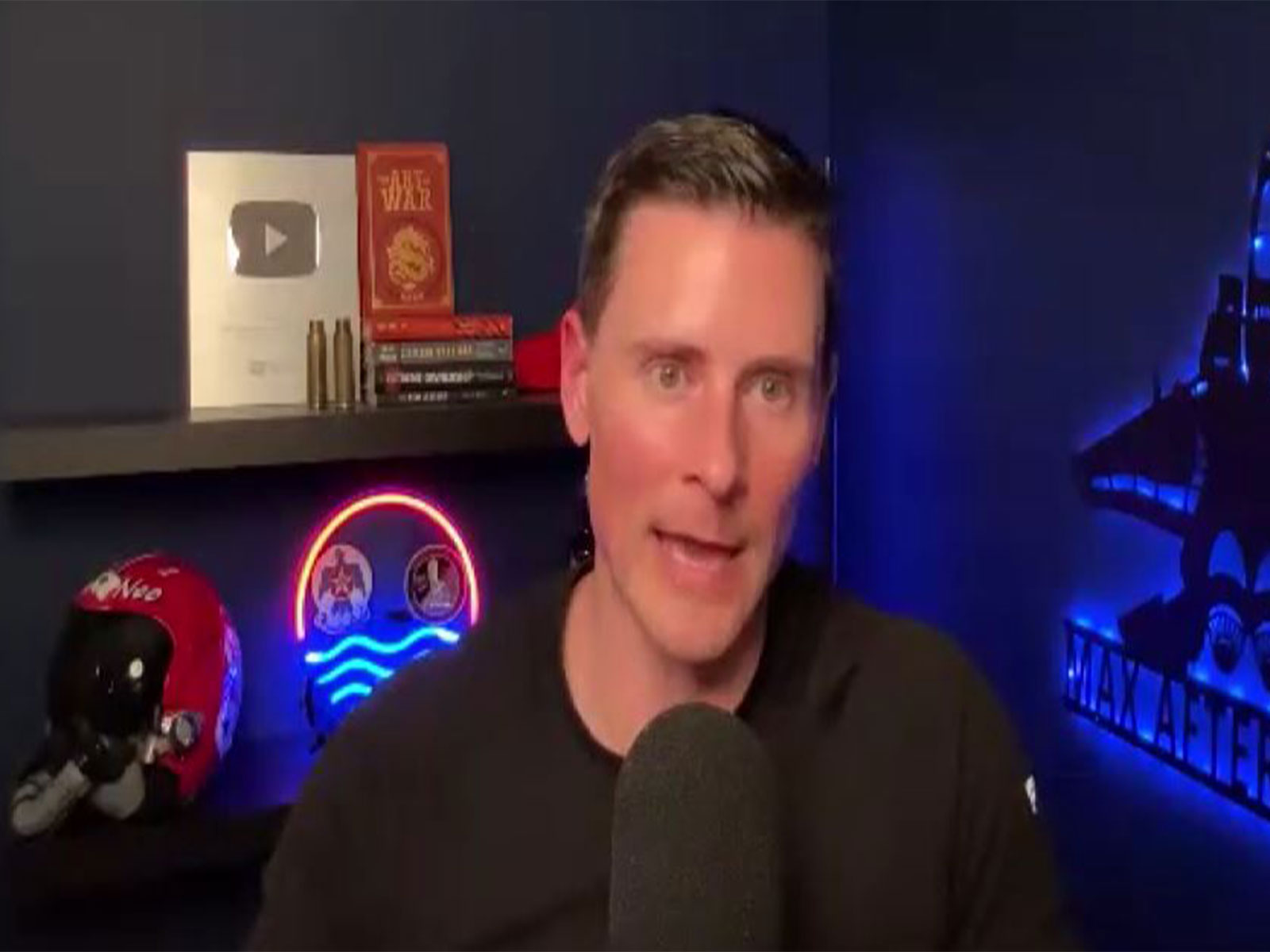
"Iran no slouch": Former US combat pilot Ryan Bodenheimer on threats to US forces in Hormuz
Apr 04, 2026
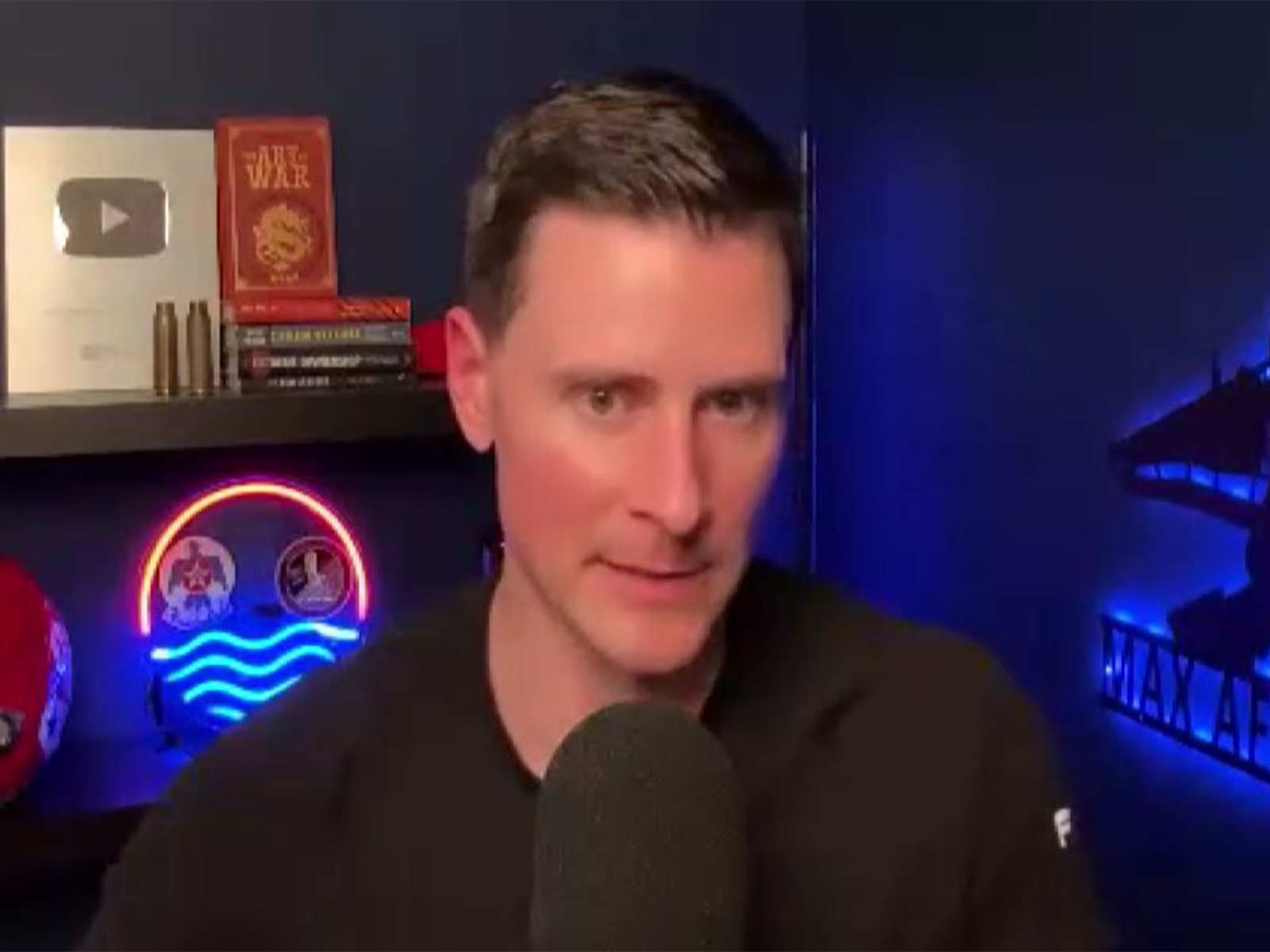
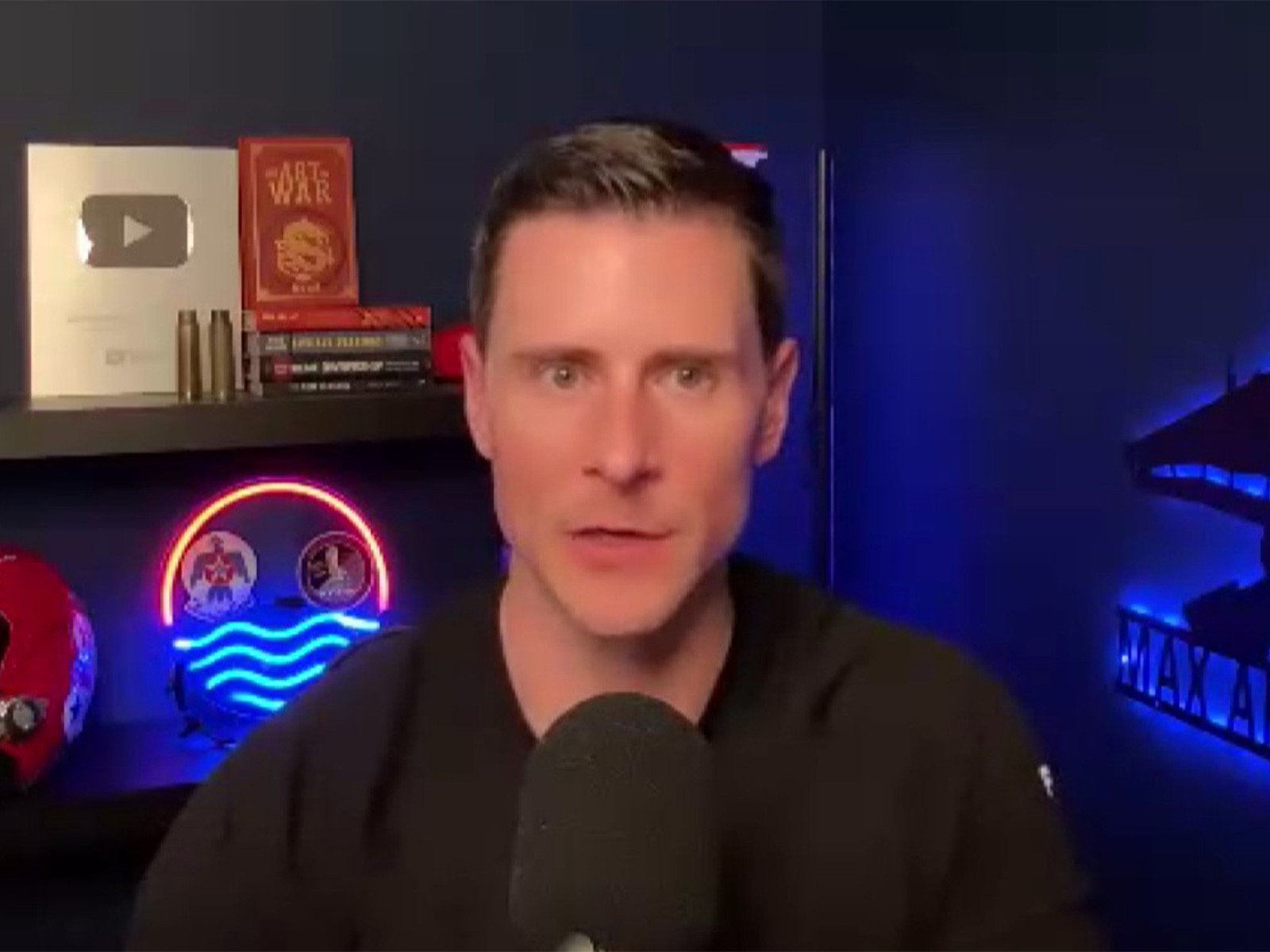
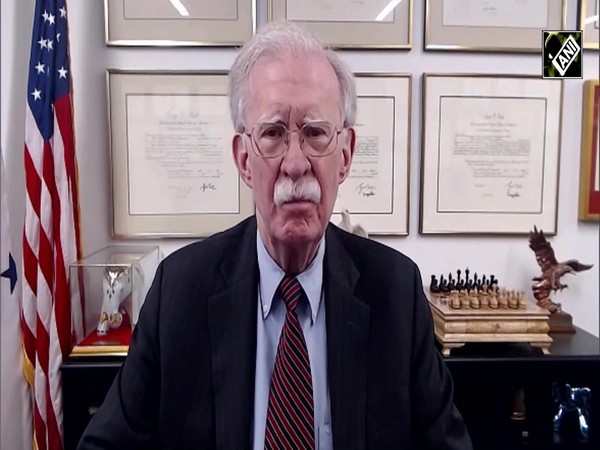
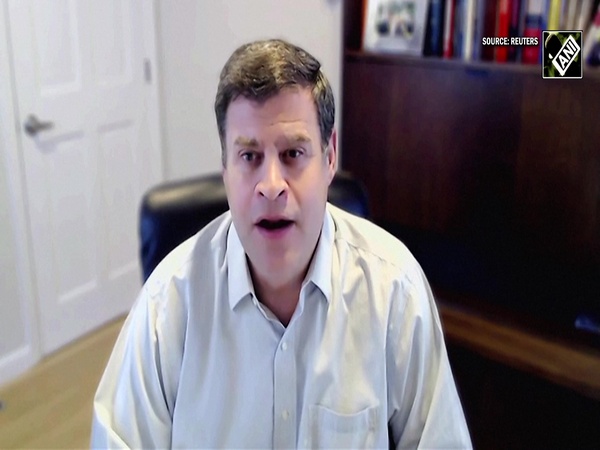
Boise (Idaho) [US], April 4 : Former US F-15E combat pilot Ryan Bodenheimer has said that the US should not underestimate Iran's aerial and water combat technologies in the Strait of Hormuz, saying there is challenge of unmanned underwater vehicles (UUVs) hitting the oil tankers.
The Strait of Hormuz, a significant route for oil vessels from the Gulf region, has witnessed a maritime blockade from Iran amid the ongoing West Asia conflict.
In an interview with ANI, Bodenheimer noted that a few defence firms in the US are working to counter Iran's UUVs in the trade route.
Asked about the anxiety around the opening of the Strait of Hormuz, given the military challenges, he said, "The aircraft that are strafing those boats, that's one piece of the puzzle, because Iran has the drones, specifically the Shahed drones. They have anti-ship ballistic missiles as well. And then they have the relatively new underwater unmanned vehicles. At least the technology for them has gotten better. Another problem to solve is how to keep these underwater unmanned vehicles from going undetected and just hitting one of these oil tankers, even if the fast attack craft are kept at bay by the fighter aircraft."
"Several innovative companies are focused on building underwater unmanned vehicles that can contest and fight against these unmanned underwater vehicles from Iran. One of those companies is Lockheed Martin, and they built something called the Lamprey, which has the ability to just sit on the ocean floor, wait for these UUVs to come by, and then attack them," the former US combat jet pilot said.
He emphasised that the US has the military technology and force to open up the Strait of Hormuz; however, he noted that Iran cannot be underestimated at the same time.
He suggested that Washington DC take two to three weeks, "preparing the battlefield" and avoiding the "big risk" of Iran's attack.
He said, "Iran is no slouch... Never underestimate the enemy. I am fairly confident that the US could open up the Strait within a couple of days if they really wanted to, but that would likely risk a lot of lives from the Marine expeditionary unit present there. Iran is adapting their defences with surface-to-air missiles. They are the ones who taught a lot of the Iraqi and Afghan militias how to plant roadside bombs. Sending 1,000 to 2,000 Marines to take all the coastal areas, the coastal batteries, is a big risk. So, taking a few more weeks, we saw President Trump mention that in his speech to the union a few days ago. Take two to three more weeks. Prepare the battlefield even more. Try to take away Iran's ability to threaten the Straits with the UUVs and the Shahed drones."
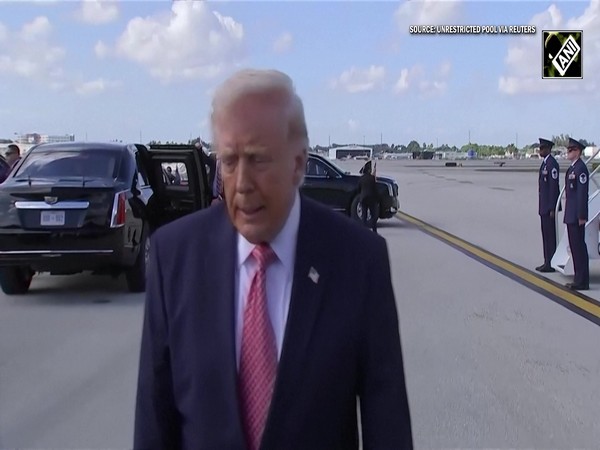
US President Donald Trump said on Friday that the US can open the Strait of Hormuz with a "little more time."
In a post on his social media platform Truth Social, Trump wrote, "With a little more time, we can easily open the Hormuz Strait, take the oil & make a fortune. It would be a 'gusher' for the world?"
Iran led a blockade of the Hormuz Strait to exert intense economic and logistical strain on international shipping. While the US looks to open the shipping route, Speaker of the Iranian Parliament, Mohammad Bagher Ghalibaf, suggested that Tehran could further escalate pressure on its adversaries by targeting the Bab el-Mandeb Strait, another of the world's most critical maritime chokepoints.
Ghalibaf asked, "What share of global oil, LNG, wheat, rice, and fertiliser shipments transits the Bab el-Mandeb Strait? Which countries and companies account for the highest transit volumes through the strait?", implying that the Islamic Republic is evaluating ways to exert leverage.