Iran outlines four conditions for peace with United States, Israel: Iranian Envoy to Russia Kazem Jalali
Apr 01, 2026
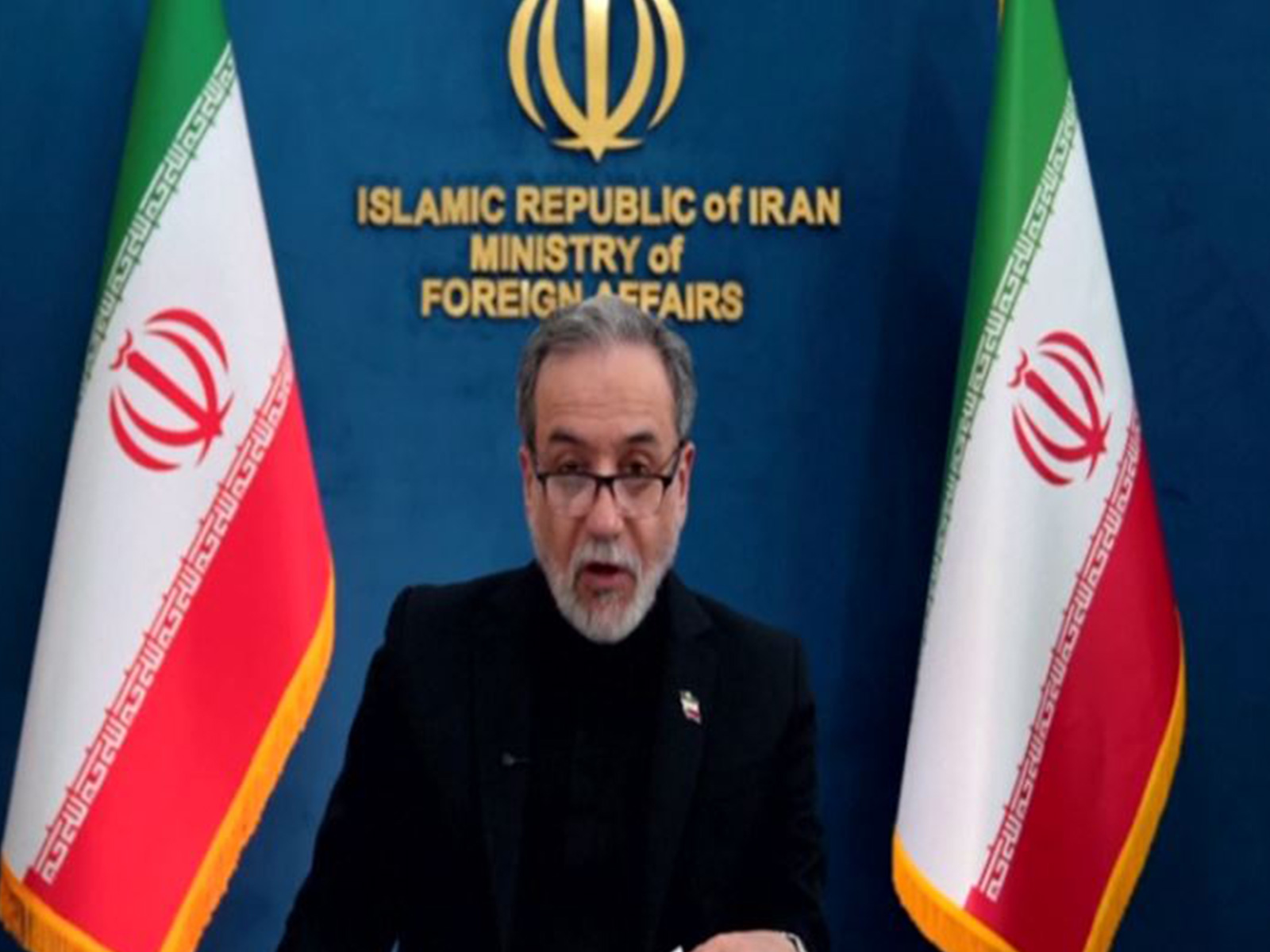
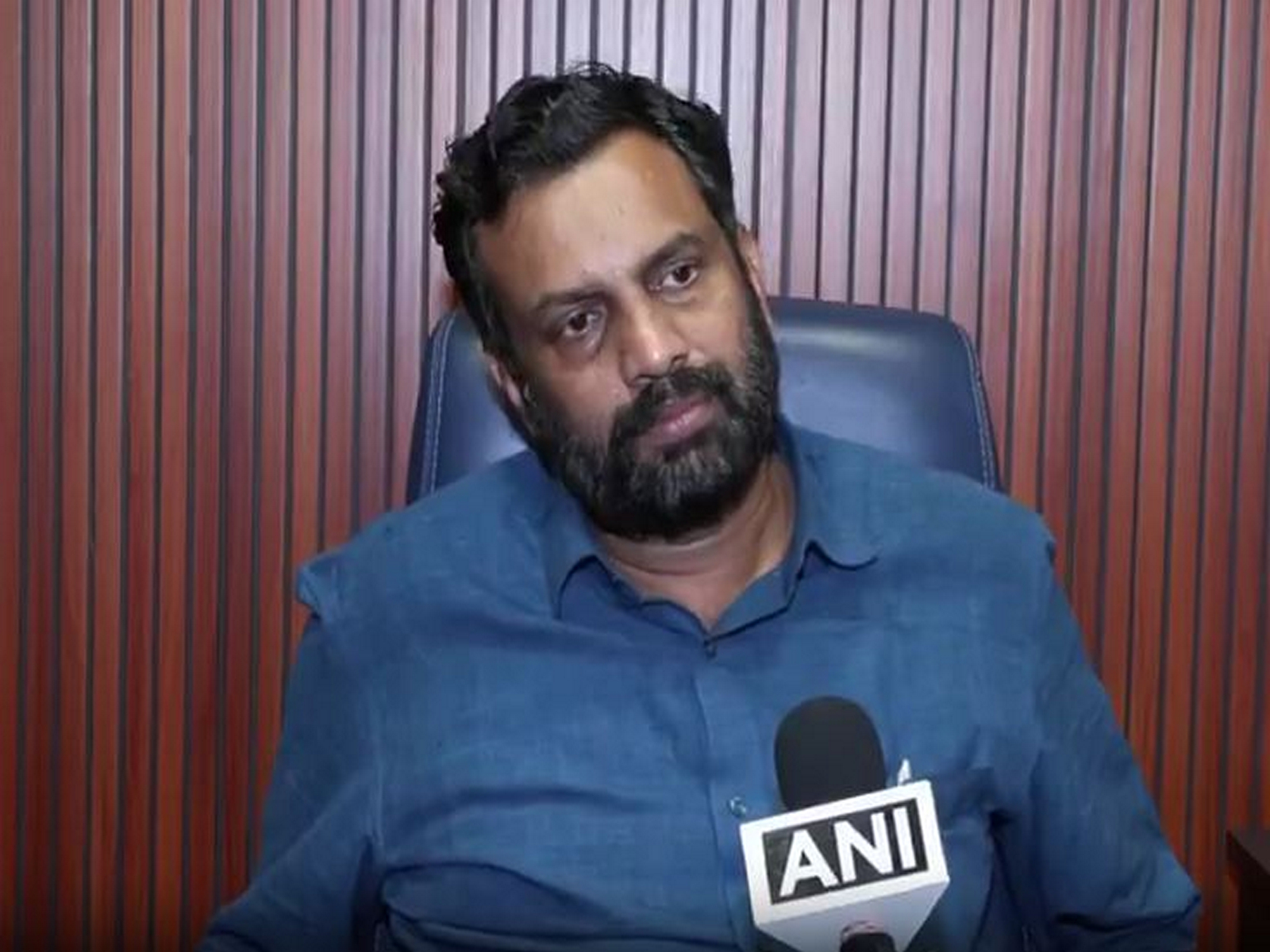
Moscow [Russia], April 1 : Kazem Jalali, Iranian envoy to Russia, has outlined a set of key conditions that Iran expects from the United States and Israel for achieving what he described as a "just peace and a lasting ceasefire" in the region, reported TASS.
In an interview with TASS, the Iranian envoy detailed four demands, stressing that their fulfillment remains essential for any meaningful de-escalation. "1. A definitive and complete cessation of aggression and terrorist attacks; 2. The provision of objective and credible guarantees to prevent any resumption of aggression or war; 3. Full compensation for material and moral damages; 4. Respect for Iran's legal jurisdiction in the Strait of Hormuz for the purpose of ensuring international maritime security," Jalali said.
The remarks come amid continuing tensions in West Asia, where security concerns and geopolitical rivalries have intensified in recent months. Jalali underscored that while diplomatic mediation efforts are valued, the ultimate responsibility for peace lies with the parties involved adhering to these conditions. "While we highly appreciate the role and efforts of mediators, we believe that peace depends solely on the fulfillment of these commitments," he emphasized.
Reiterating Iran's longstanding position, the ambassador said that the country remains open to constructive diplomatic initiatives. "The Islamic Republic of Iran has always welcomed any constructive and sincere efforts to establish stability and security in the region," Jalali said. However, he cautioned that proposals for ceasefire or peace arrangements must align with on-ground realities and legal frameworks. "However, it should be emphasized that any initiative or proposed plan to achieve peace and a lasting ceasefire requires considering the realities on the ground and fulfilling these legal and political conditions and requirements," he added.
Jalali also highlighted Iran's stance on national security, asserting that Tehran would continue to respond to perceived threats. "Iran will continue to exercise its inalienable right to self-defense until the source of the threat is completely eliminated," he stated.
On the diplomatic front, the envoy pointed to ongoing coordination with key allies. He noted that consultations with strategic partners remain a core component of Iran's foreign policy approach. "As for consultations with partners, Tehran always includes the exchange of views and coordination with its strategic allies, including Russia, in its diplomatic agenda," Jalali added.
The Strait of Hormuz, referenced in Iran's demands, remains one of the world's most critical maritime routes for global energy supplies, making the issue of jurisdiction and security in the region a significant point of contention in broader geopolitical negotiations.