Iran turns back merchant vessel with food for Pakistan from Strait of Hormuz
Mar 25, 2026
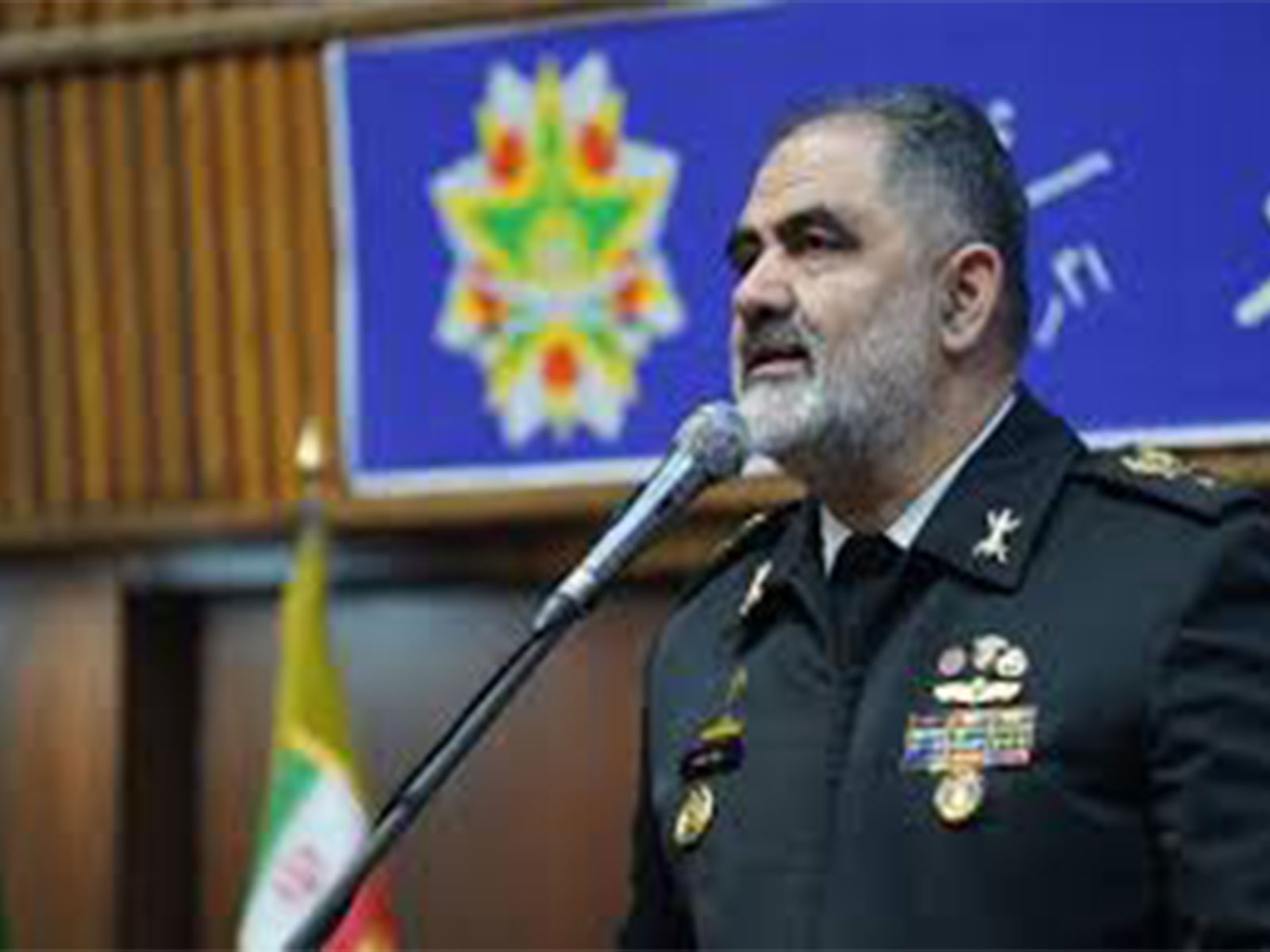
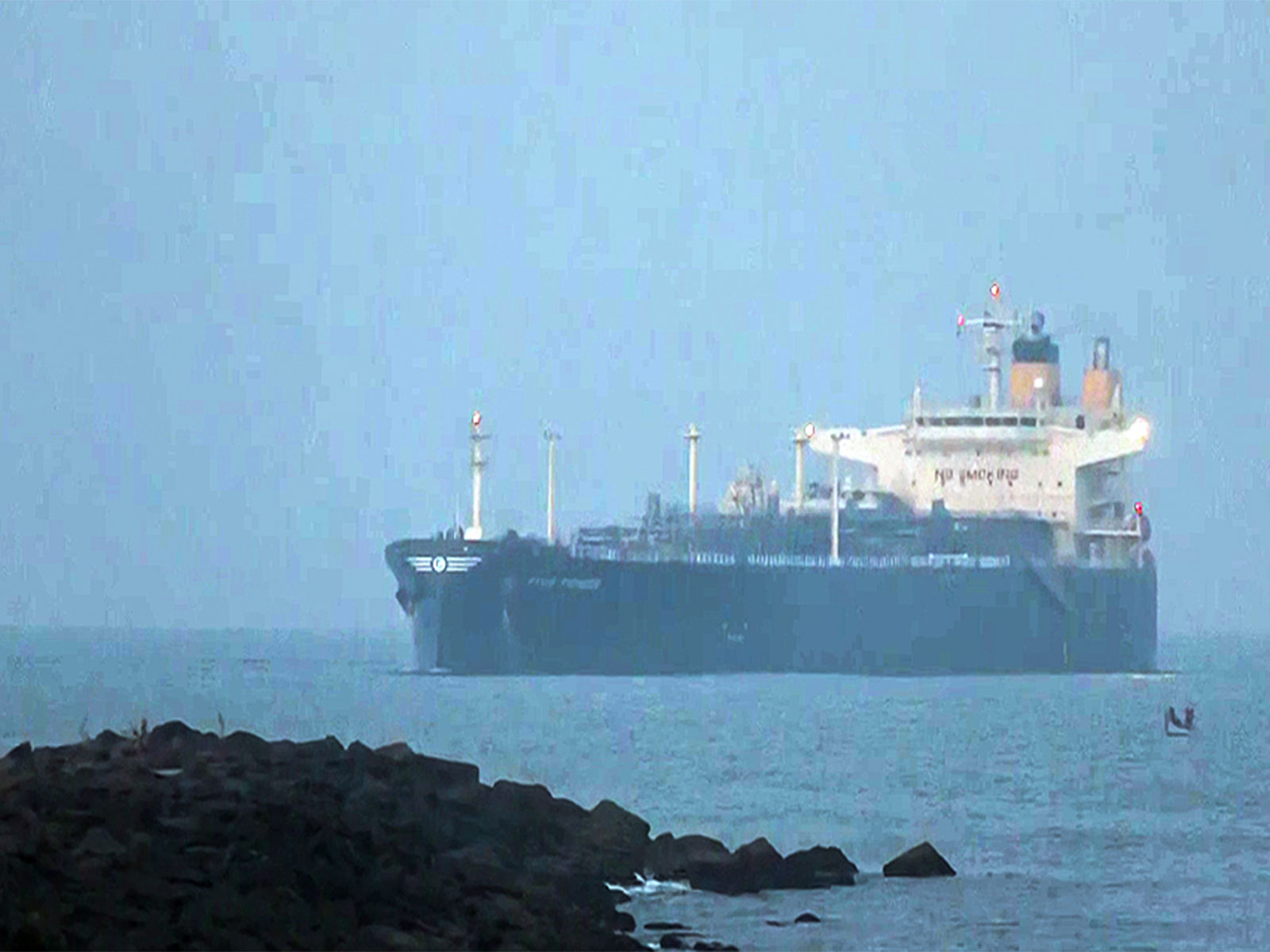
Tehran [Iran], March 25 : Iran's Naval Commander Alireza Tangsiri has informed that a merchant vessel, SELEN, bound for Karachi with food was turned back from the Strait of Hormuz.
According to the Naval Commander, " The container ship SELEN was turned back by the IRGC Navy due to failure to comply with legal protocols and lack of permission to pass through Strait of Hormuz. The passage of any vessel through this waterway requires full coordination with Iran's maritime authority, and this achievement would not have been possible without the backing of the noble people of Iran."
Vessel Tracker earlier placed the position of SELEN at the Persian Gulf. The vessel is currently sailing under the flag of St Kitts & Nevis
Earlier, the Iranian mission in New York said that they will allow the passage of what it called "non-hostile vessels" through the Strait of Hormuz.
The mission announced in a post on X, "Non-hostile vessels, including those belonging to or associated with other States, may, provided that they neither participate in nor support acts of aggression against Iran and fully comply with the declared safety and security regulations, benefit from safe passage through the Strait of Hormuz in coordination with the competent Iranian authorities."
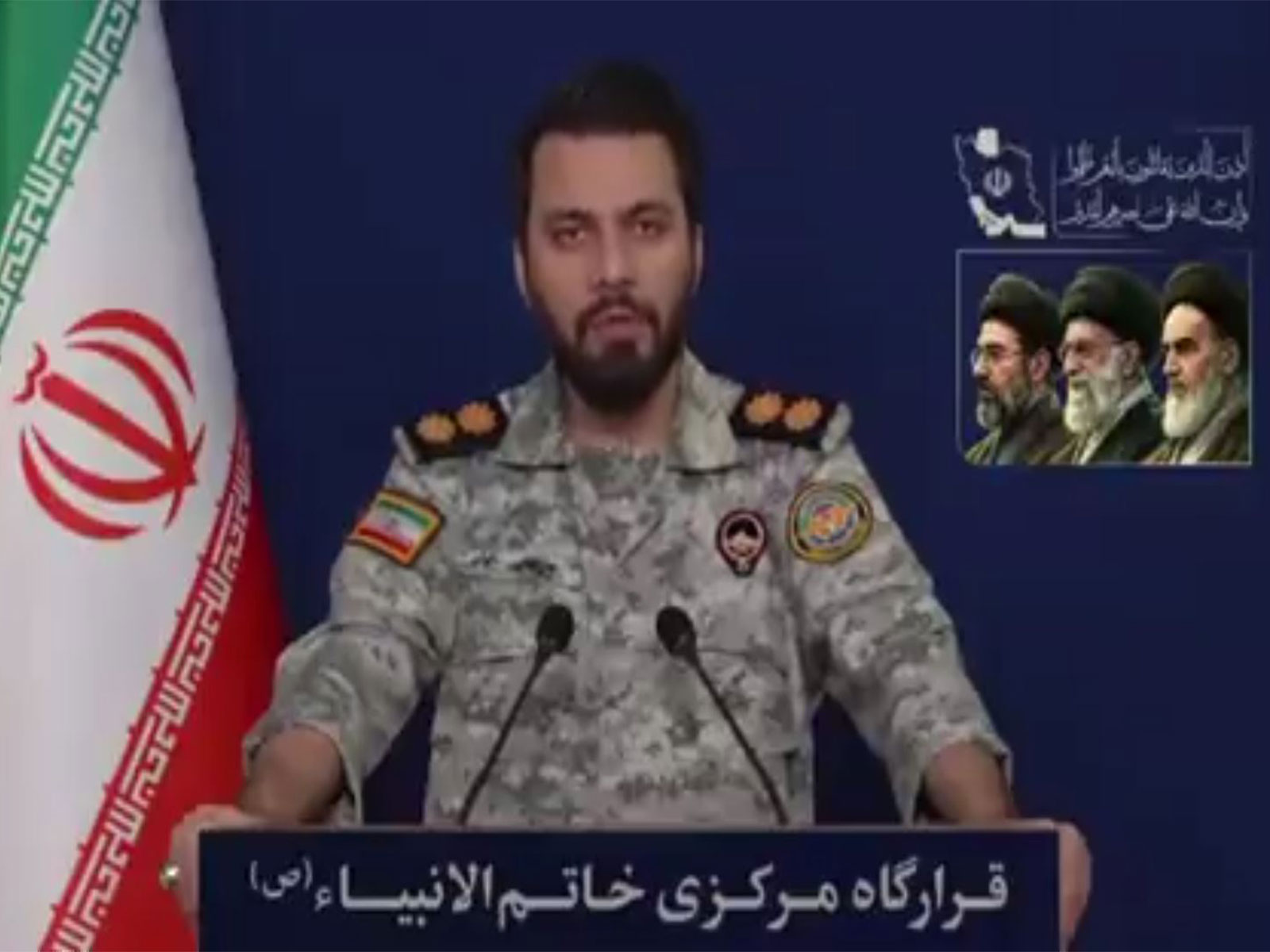
The Iranian Defence Council has announced that the transit of "non-hostile vessels" through the strategic Strait of Hormuz is now strictly dependent on prior "coordination with Iranian officials".
According to a report by state broadcaster Press TV this move comes amidst what Tehran describes as ongoing military aggression by the United States and Israel against Iranian territory.
The Council issued a stern warning that any further strikes on the nation's "power plants and energy infrastructure" would meet an immediate and "decisive and destructive response" from the Iranian Armed Forces.
The Strait of Hormuz, located between Oman and Iran, connects the Persian Gulf with the Gulf of Oman and the Arabian Sea. The strait is deep enough and wide enough to handle the world's largest crude oil tankers, and it is one of the world's most important oil chokepoints.