IRGC Navy warns US of "surprise tactics" amid rising maritime tensions
Apr 29, 2026
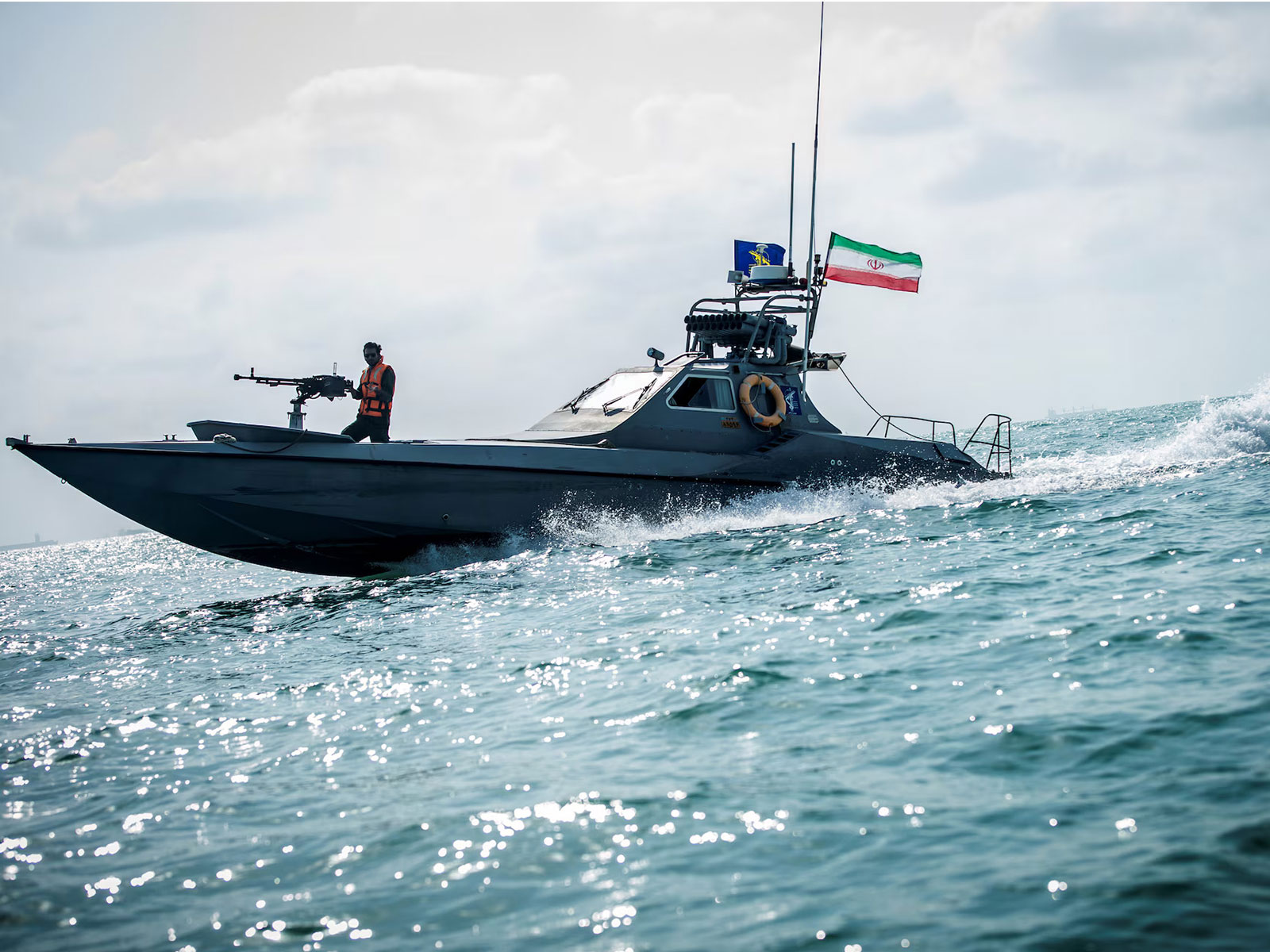
Tehran [Iran], April 29 : The Islamic Revolutionary Guard Corps (IRGC) Navy has issued a sharp warning to Washington, claiming that the elite force is prepared to employ unconventional methods should tensions escalate further.
According to Iranian media Press TV, Mohammad Akbarzadeh, the deputy for political affairs of the IRGC Navy, stated that the maritime force has "surprise tactics" in store for the United States if it makes any new miscalculation.
The warning underscores a heightening of military rhetoric as the IRGC Navy signals its readiness to respond to any perceived aggression. Akbarzadeh further indicated that in the event of fresh US military action against Iran, the IRGC Navy would deploy its newly developed capabilities.
These comments from Press TV come amidst a series of strategic maritime developments in the region, with Iranian officials repeatedly asserting that their naval forces have modernised their hardware and operational strategies to counter foreign military presence in nearby waters.
This military posturing coincides with a firm diplomatic stance from US President Donald Trump, who has voiced significant dissatisfaction with Tehran's recent diplomatic overtures. The President asserted that Washington will not advance negotiations unless the nuclear issue is tackled directly, further claiming that Iran had indicated it was in a "state of collapse" and was consequently pushing for the reopening of the Strait of Hormuz "as soon as possible".
During his assessment, Trump highlighted the global security risks inherent in Tehran's atomic aspirations, warning that should Iran successfully obtain nuclear armaments, "the whole world would be held hostage". This rejection follows a proposal from Iran focused on an immediate ceasefire in West Asia and the restoration of traffic through the strategically vital Strait of Hormuz, while notably seeking to postpone discussions on its nuclear programme, missile technology, and existing sanctions.
While Foreign Minister Abbas Araghchi has been conducting a diplomatic blitz--visiting Islamabad and meeting Russian President Vladimir Putin in St Petersburg to secure international backing--regional powers have begun to voice their own opposition. In a meeting held in Saudi Arabia, leaders of the Gulf Cooperation Council (GCC), convened under Crown Prince Mohammed bin Salman, formally rejected what they characterised as Iran's "illegal actions" regarding the closure of the strait and threats to maritime passage.
The GCC summit, which included high-level representation from Qatar, Bahrain, Kuwait, and the UAE, issued a collective call for the return of "security and freedom of navigation" to levels seen before the conflict. Furthermore, the bloc advocated for enhanced military integration, specifically the creation of shared infrastructure and a ballistic missile early warning system.
As regional and international pressure mounts, reports from The Wall Street Journal suggest that the US administration is bracing for an extended period of economic confrontation. Trump has reportedly instructed his team to formulate plans for a sustained blockade of Iran, a strategy designed to cripple the Iranian economy and oil exports by strictly controlling maritime access to its ports.
According to The Wall Street Journal, the President prefers this blockade as a more effective, lower-risk alternative to either a renewed aerial bombing campaign or a policy of total disengagement, marking a shift toward a long-term strategy of economic attrition.