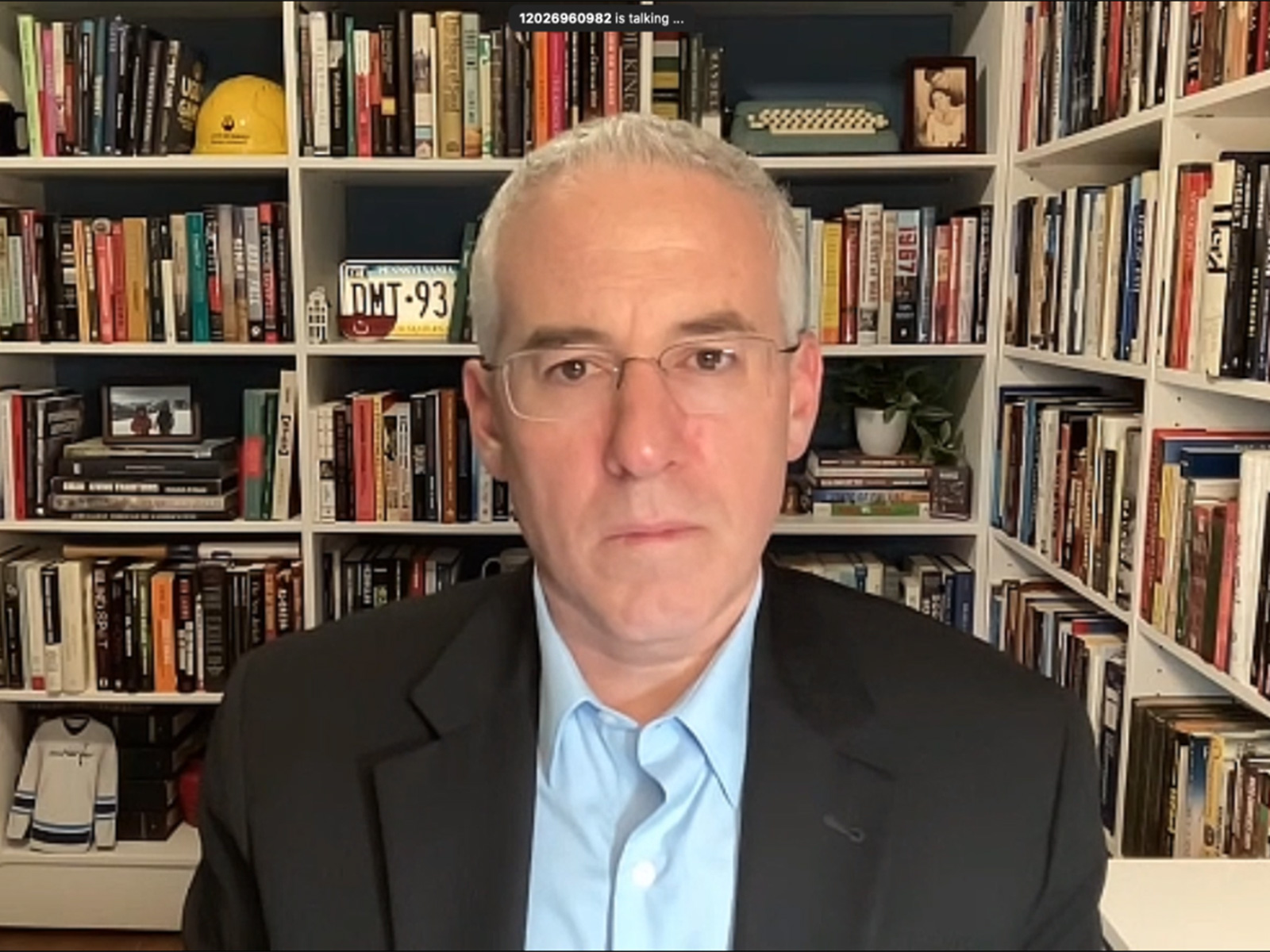
"Is Pakistan doing the bidding of China?" Former US Treasury Counterterrorism analyst questions Pak role in US-Iran mediation
Apr 08, 2026
Washington DC [US], April 8 : After the US and Iran agreed to a two week ceasefire and held out hopes for lasting peace, Pakistan took much of the credit for playing mediator between the two countries.
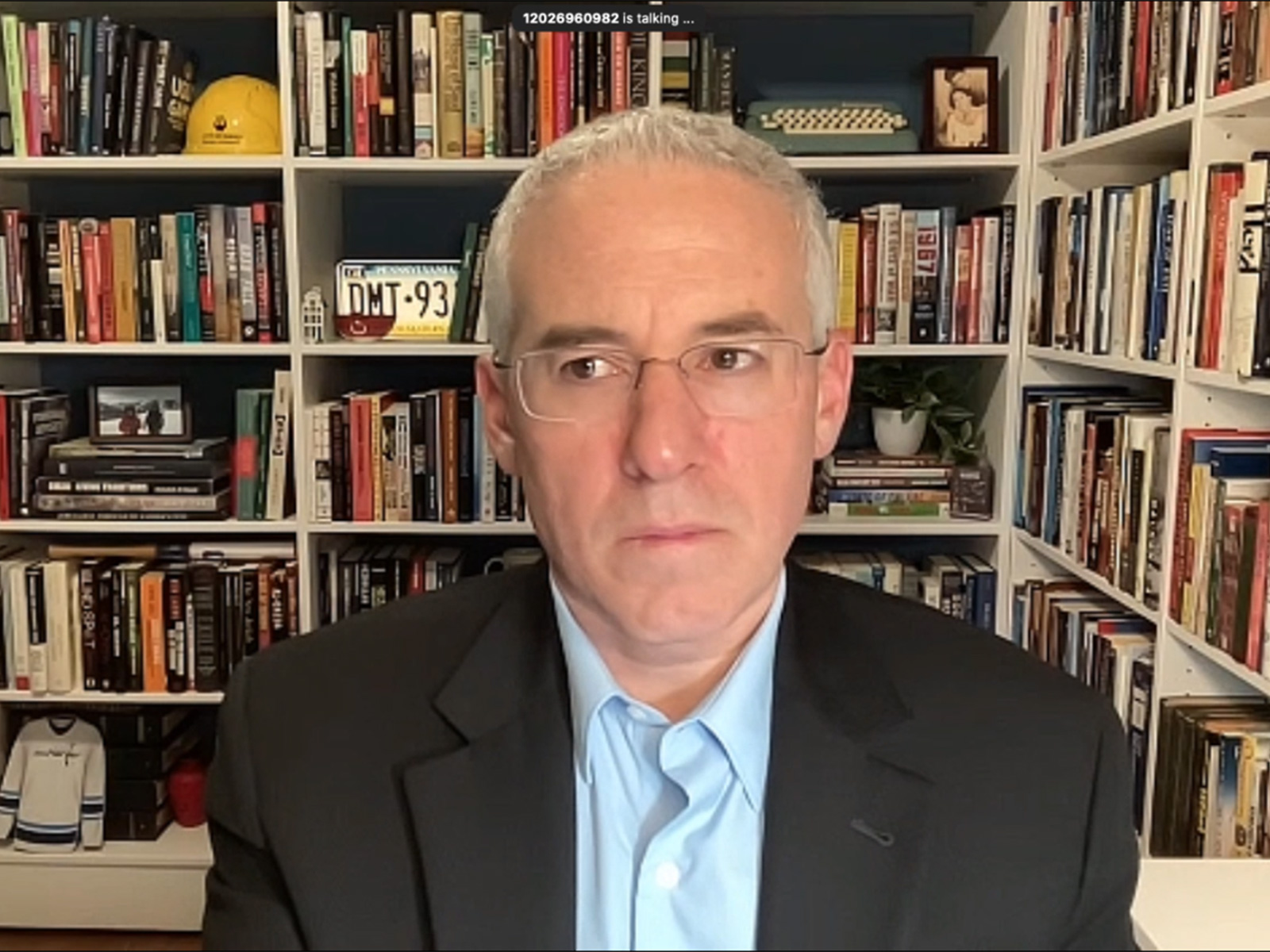
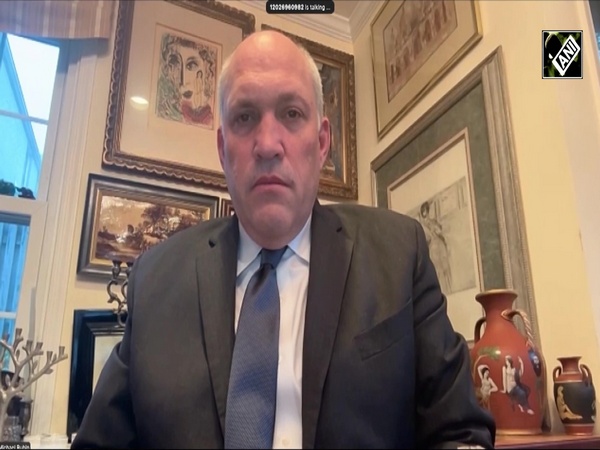
However, Executive Director at the Foundation for Defence of Democracies (FDD) and former US Treasury counterterrorism analyst, Jonathan Schanzer feels that Pakistan is deeply indebted to China. So, it remains to be seen if Pakistan is broadening its alliances by siding with the US, or is it doing the bidding of China.
"When we look at Pakistan, we need to understand that this is a country greatly indebted to China. Through the Belt and Road Initiative and debt-trap diplomacy, China has the Pakistanis right where they want them. The question is: Are the Pakistanis trying to work with the United States to perhaps make new friends and broaden their alliances, or are they doing the bidding of China? Are they essentially a mouthpiece for the Chinese Communist Party? At this point, we just don't know the answer to that," he said.
Schanzer said that Pakistan pushing itself into a negotiating role with the White House was bizzare.
"Their role in all of this is just so unlikely and bizarre. There are a lot of things I didn't expect to see in 2026; this is probably among the top ones. And yet, somehow, the Pakistanis have insinuated themselves into the White House. They're part of the discussions about Gaza and part of the Iran deal. How this has happened and what they want in return has yet to be explained," he said.
Executive Director at the Foundation for Defence of Democracies (FDD) and former US Treasury counterterrorism analyst, Jonathan Schanzer said that US Vice President JD Vance holds a dim view on foreign interference and China's case gets interesting here
Schanzer, in a conversation with ANI, was asked about reports that JD Vance was looped in late to the US-Iran mediation process, and that probably China helped bring Iran to the table.
"Well, look, we know that JD Vance holds a dim view of foreign intervention, and I think he's been very concerned about this war from the get-go. We lump him into a group broadly described as neo-isolationists--people who are deeply skeptical of the American use of force to shape forces around the globe. But I think the question of China is really the most interesting one," he said.
Schanzer also warned that this war is far from over even if the ceasefire is upheld and Strait of Hormuz is open.
"The thing everyone needs to understand is that this war is not over. Even if they agree to keep the strait open and stop bombing one another for a time, there is still going to be a covert effort to bring down the regime from within. The people of Iran have not yet had their say. I also think there are open questions about all those different proxies. They were the ones who started this war back in 2023--Hamas, Hezbollah, and the Houthis. They have yet to be dealt with in a way that puts punctuation at the end of this long conflict. This possibly puts things back into the hands of the Israelis to decide how to deal with Iran's proxy network. We're going to see new phases of this war begin to take shape, but it would be welcome if the ballistic missiles stop so the region can return to something resembling the status quo," he said.
He further said that it remains to be seen if Iran allows free flow of traffic through the Strait of Hormuz.
"Then there's the bigger question, which I think is the most important one: Does the Islamic Republic allow for the free flow of traffic in the Strait of Hormuz? I'm not convinced that they'll be willing to do so. If they start trying to charge people for going through or if they threaten vessels trying to transit the strait, that will become a real problem. We potentially have a two-week ceasefire, and during that time, a more permanent solution will need to be derived. But especially in these early hours and days, there's still a lot that can go wrong," he said.
Meanwhile, Israel has backed the US decision to suspend strikes against Iran as the two nations look to work out a lasting peace formula.
A statement from the Israel Prime Minister Benjamin Netanyahu's Office said, "Israel supports President Trump's decision to suspend strikes against Iran for two weeks' subject to Iran immediately opening the straits and stopping all attacks on the US, Israel and countries in the region. Israel also supports the US effort to ensure that Iran no longer poses a nuclear, missile and terror threat to America, Israel, Iran's Arab neighbours and the world."