"Isn't a good plan": Ex-US F-15E combat pilot Bodenheimer on possible US ground invasion of Iran
Apr 04, 2026
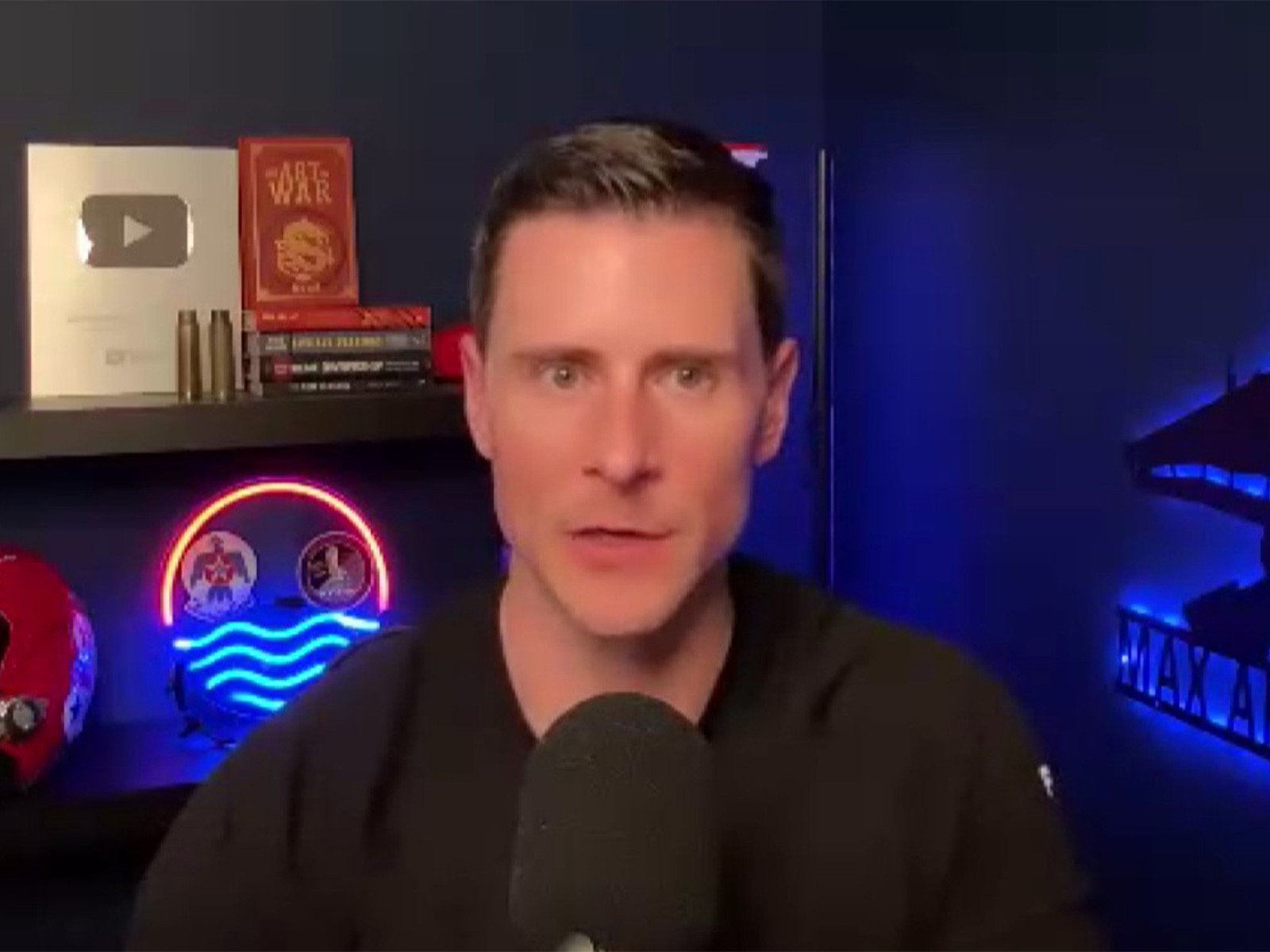
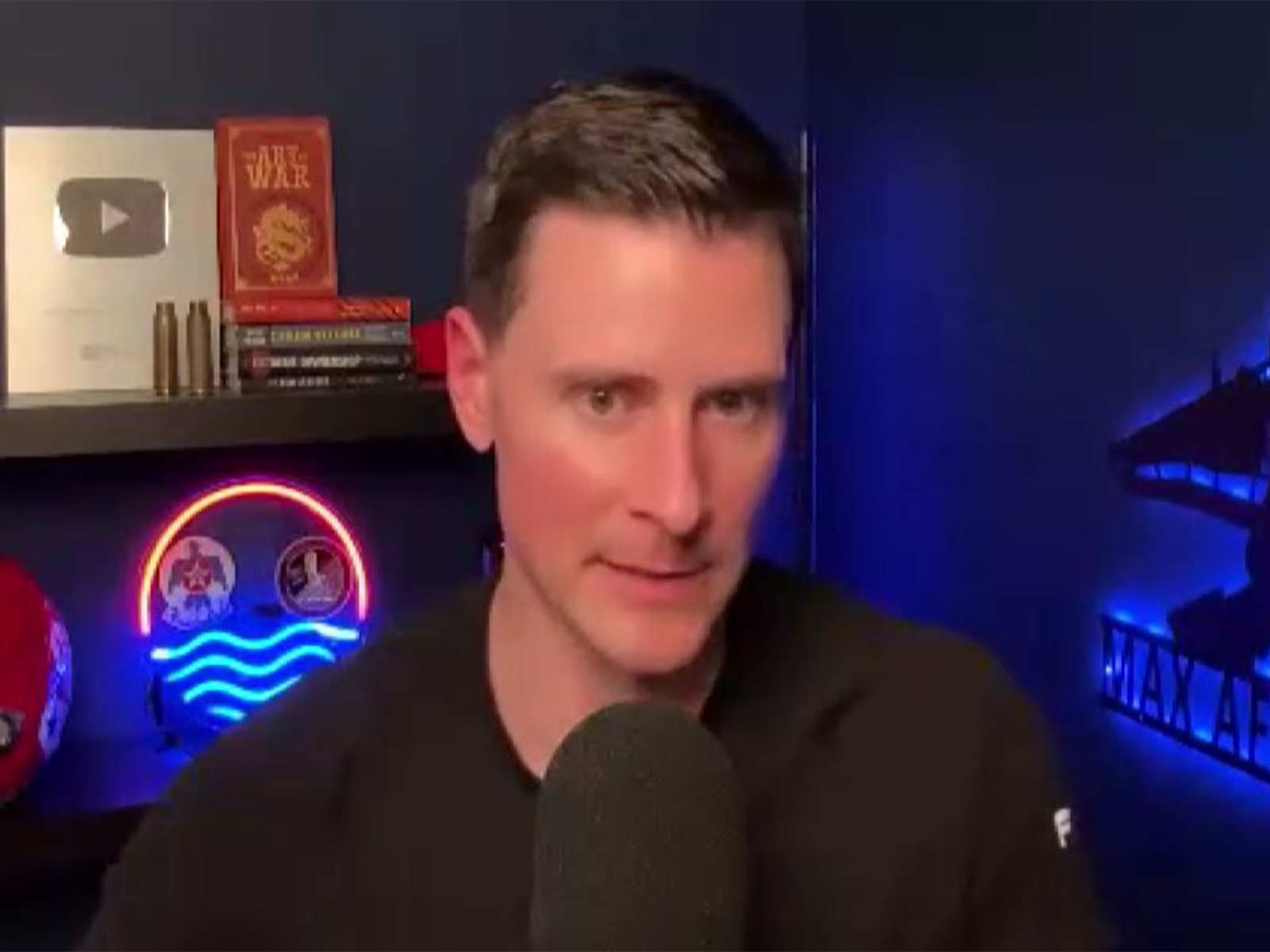
Boise (Idaho) [US], April 4 : Former US F-15E combat pilot Ryan Bodenheimer expressed strong reservations about the possibility of a US ground invasion of Iran amid the escalating conflict in the region, which is currently in its second month, calling it "not a good plan" and urging alternative strategies to avoid prolonged conflict and heavy troop deployment in the region.
Speaking in an interview with ANI, Bodenheimer, who previously flew around 70 combat missions during his deployment in Afghanistan, said past military engagements have demonstrated the limitations and risks of large-scale invasions.
"I'm hopeful that it's a no. That's just my personal opinion," he said, referring to the possibility of a ground invasion.
"I really hope that there isn't a big ground invasion. I flew over Afghanistan. I flew 70 combat missions there. I saw the results of trying to occupy a country on that level, and I just don't think it's a good plan. That's an old playbook that we saw pretty clearly doesn't work. But I'm actually very hopeful with Iran that it won't take that," the former US combat pilot and host of the Max Afterburner YouTube channel added.
His remarks come amid growing speculation over a possible US ground invasion of the Islamic Republic following reports of military preparedness in the region, increased troop positioning, training exercises, and deployment of strategic assets.
While acknowledging he has no direct insight into current plans of the US administration under President Donald Trump, Bodenheimer suggested that supporting internal resistance within Iran could be a more viable path, emphasising the potential role of Iranian citizens seeking freedom from the influence of Iran's Islamic Revolutionary Guard Corps (IRGC).
"What I'm hopeful for is that the free Iranian people want to be free, and they want to be outside of the thumb of the IRGC; they actually lean more than what we saw in Iraq and Afghanistan. So that would be ideal, to support the free people that could actually rise up, whether that means arming them or just supporting them and giving them the ability to take their country back in some fashion themselves," he stated.
Bodenheimer further added that such efforts could involve advisory roles or limited military assistance from the US rather than direct occupation, as potentially planned by Washington.
He outlined a hypothetical scenario in which opposition forces could liberate and hold strategic cities, gradually building momentum without the need for a large-scale US troop presence. However, he cautioned that war, in any form, carries severe consequences.
"Maybe they would be tasked with liberating a city to start with. They liberate a city that becomes the first free city in Iran, And it's not controlled by the IRGC, but it's not the US troops that are there. It's a city that seems strategically positioned to hold strong while they amass support. And then you go to the next city with those people without the US. Maybe US advising and some US weaponry," he said.
"I know war is terrible. I'll just say that in my opinion, I think war is terrible. I would never advocate for war, but once we're in a conflict, I think we have to do it as smartly as possible to lose as few friendly lives as possible," Bodenheimer added.
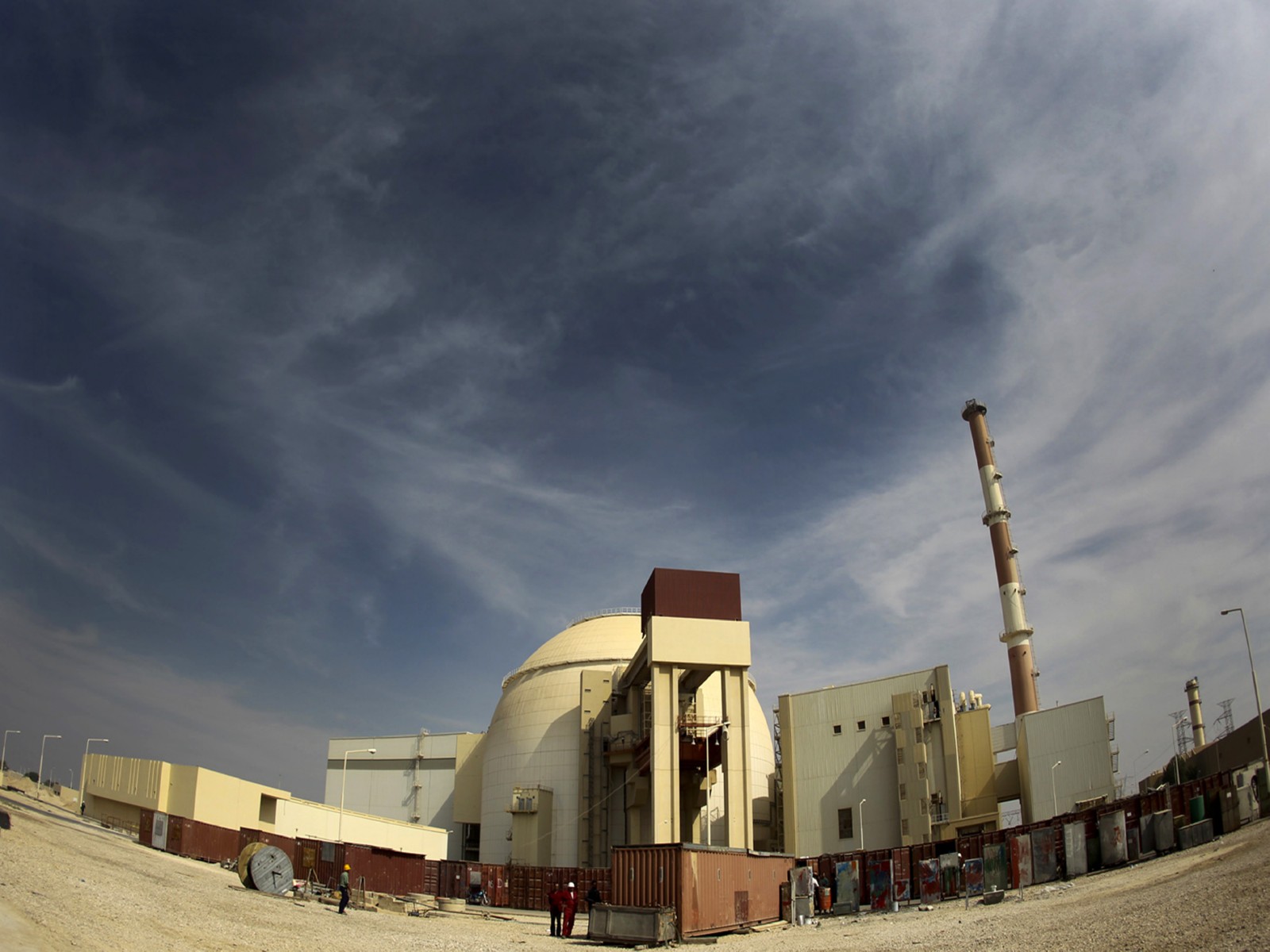
The former combat pilot also raised concerns about Iran's military capabilities, including its missile and drone programmes and its nuclear ambitions and argued that these developments pose significant global security risks, potentially triggering broader conflict involving regional and global powers.
Despite these concerns, he maintained that a full-scale invasion would be strategically unsound. Highlighting Iran's size and military strength, including an estimated 200,000 IRGC personnel, he suggested that a ground operation could require up to one to two million troops--an "unsustainable" commitment.
Instead, Bodenheimer advocated for a more targeted, technology-driven approach.
"I think it's a very tough question, the invasion, but I think there are other ways to do it. And special forces and marine expeditionary units have some of this advanced technology we're talking about. My vote is to go high-tech, which is different than lower tech, which is boots on the ground," he noted.
"I really hope, instead of that [ground invasion], it's special forces, surgical strikes, taking out command and control first, and just getting control of the Strait of Hormuz. I think an invasion of the country strategically just doesn't; it just doesn't make sense to me. It's a country that's massive," Bodenheimer added.
He also stressed the strategic importance of the Strait of Hormuz, suggesting that securing the critical waterway on which global energy trade depends, through a coalition effort, possibly involving NATO, could exert pressure on Iran without escalating into a full invasion, noting that the strait is the "last domino" for Iran to negotiate.
"Instead of a boots-on-the-ground situation, if the US could just focus on the Straits of Hormuz, a coalition would be better. If there was a NATO coalition just going in, focusing on the Straits of Hormuz, opening it up and taking away the last domino of Iran to negotiate. But they know that's their last domino. So they're going to throw everything they have at the problem," he noted.
Bodenheimer concluded by reiterating his opposition to a ground invasion, emphasising the importance of minimising risks to American forces and pursuing smarter, more sustainable military strategies.
"I think it's way smarter. And I just don't think a ground invasion is smart. So it's hard for me to talk about the strategy of it when I really just don't believe in it," the former combat pilot added.