"It appears regulations were drafted in haste": Drishti IAS founder Vikas Divyakirti on UGC's new regulation
Jan 29, 2026
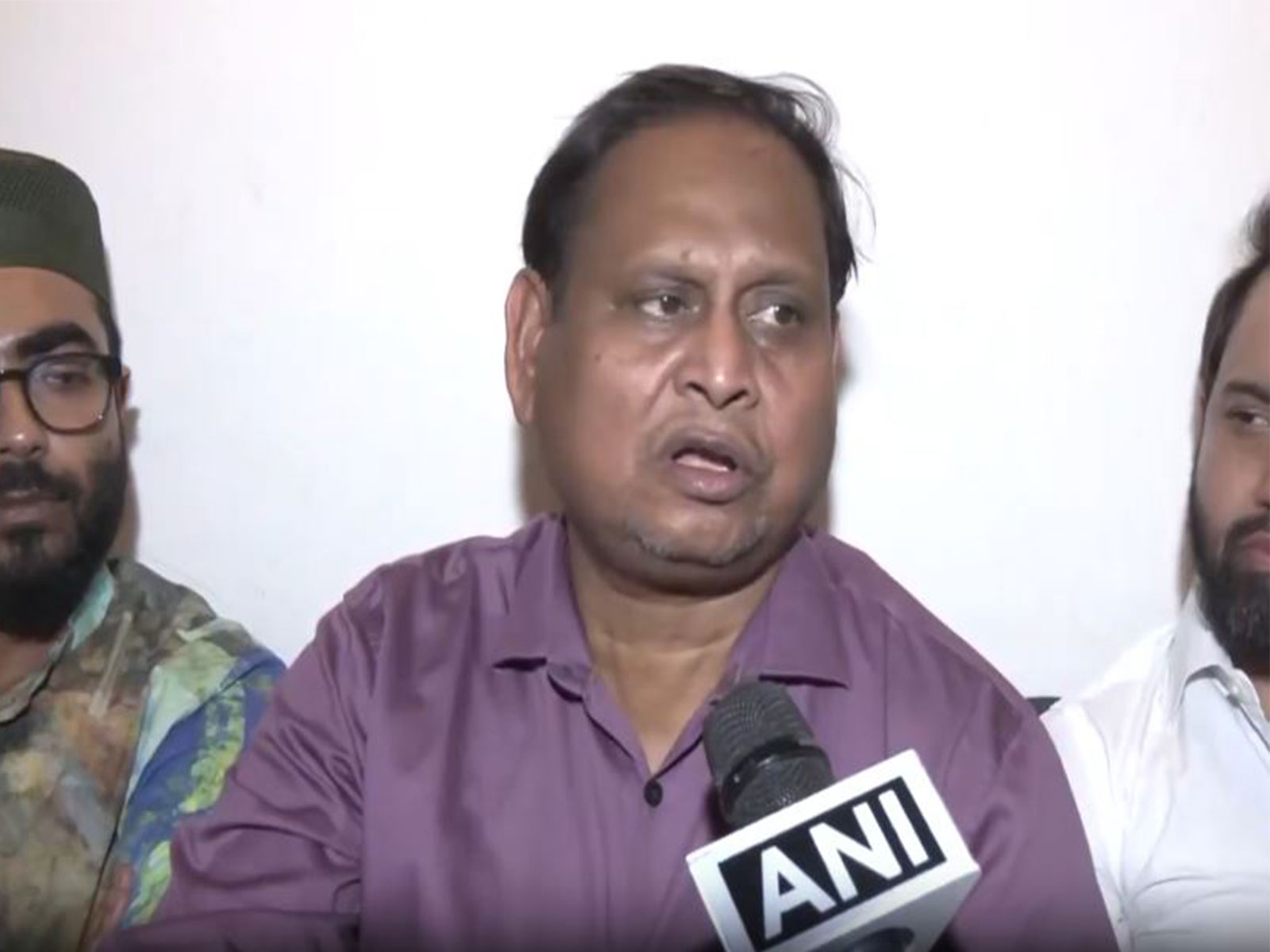
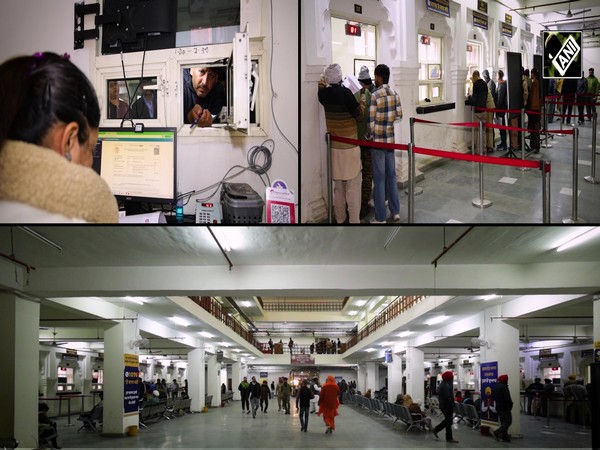
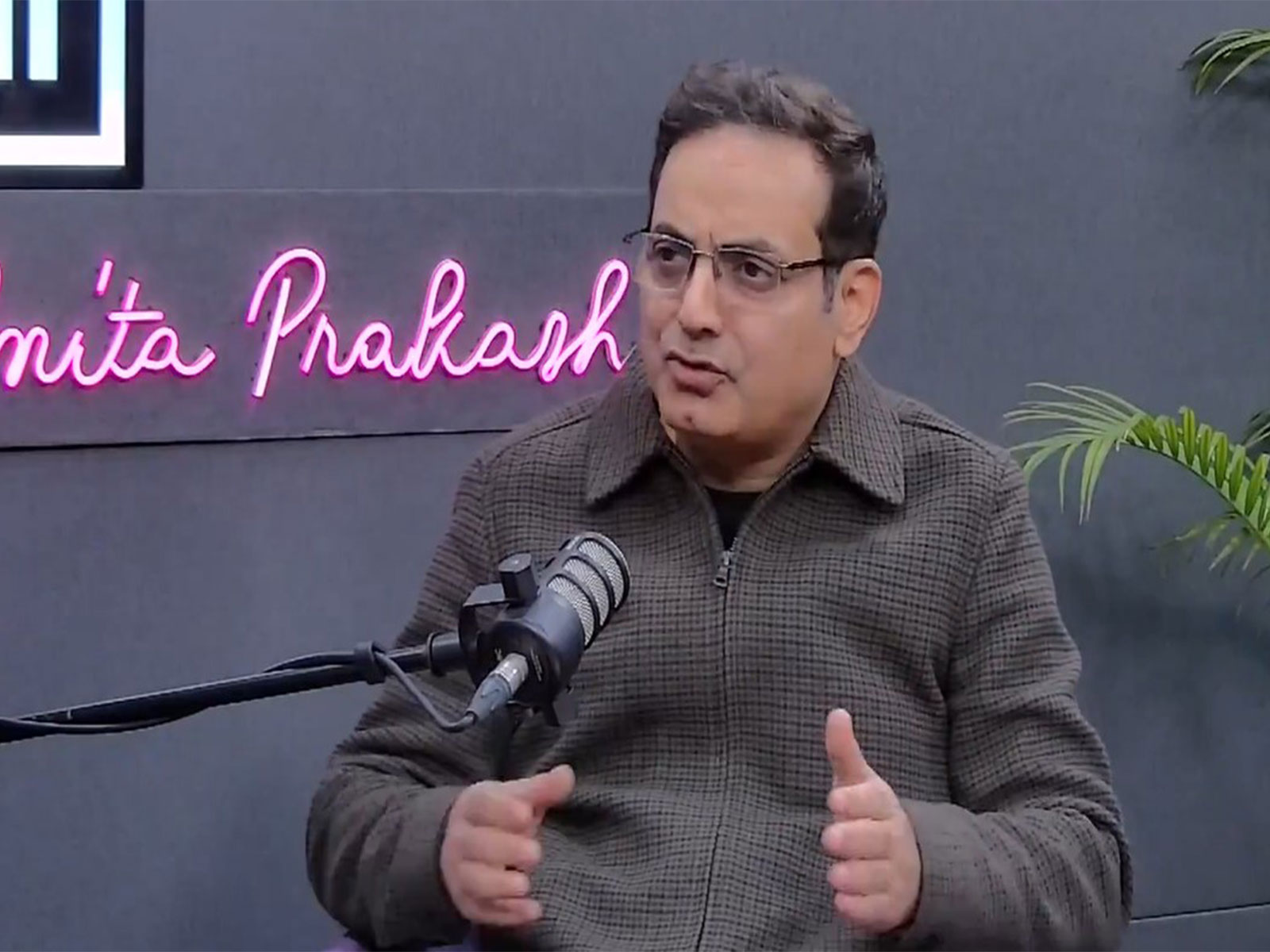
New Delhi [India], January 29 : Vikas Divyakirti, founder and MD of Drishti IAS, suggested that the new University Grants Commission's equity regulations were "drafted in haste", pointing out various shortcomings of the regulations.
Speaking exclusively with ANI, Vikas Divyakirti highlighted the "carelessness" of UGC in drafting the regulations, which failed to mention the Economically Weaker Sections (EWS) in the preamble.
"It appears the regulations were drafted in haste. There was a lot of pressure on the UGC. The drafts have been made so carelessly. There has been carelessness at such a level that EWS has not been mentioned in the preamble of the UGC, which is later mentioned in the regulations," he said.
"In para 4, on discrimination, seven primary bases are presented. Earlier, there were six primary bases, and among the seven primary bases, three are those which were not mentioned earlier in the six primary bases," he added.
Addressing the apprehensions of General Category students regarding the new regulations, Vikas Divyakirti clarified that the regulations are not "criminal in nature" and that they include a dispute-resolution mechanism within the university.
"The UGC 2026 regulations are not at all criminal in nature; it is just a dispute resolution mechanism within the university. There is nothing linked to a criminal in this," he said.
"The regulations mention that if there's something in a complaint that comes under the definition of crime, then the equity committee has to inform the police, and this happens in every regulation," he added.
Amid an uproar around the country over the alleged "discrimination" against the General Category in the University Grants Commission (Promotion of Equity in Higher Education Institutions) Regulations, 2026, the SC on Thursday stayed the regulations.
The Top Court said that, for now, the 2012 UGC regulations will continue to apply. The Court opined that there is complete vagueness in Regulation 3 (C) (which defines caste-based discrimination), and it can be misused. "The language needs to be re-modified," the Court said.
The Court noted that this raises an unexamined concern: if a Group A Scheduled Caste individual makes discriminatory or derogatory remarks against a Group B Scheduled Caste individual, has this aspect been adequately addressed under the 2026 framework?
After 75 years of trying to make a caste-less society, whether the direction of policy-making is progressive or tending towards a regressive approach, it asked.
The new regulations, introduced to curb caste-based discrimination in colleges and universities, require institutions to establish special committees and helplines to address complaints from students in the Scheduled Caste (SC), Scheduled Tribe (ST), and Other Backwards Classes (OBC) categories.
Students, mostly from the general category, protested against regulations that promote discrimination on campuses rather than equality. The students noted that the regulation has no provision to address fraudulent complaints filed against General Category students.