Jairam Ramesh accuses BJP government of U-turn, says SHANTI Bill provisions contrast its stance on Civil Liability for Nuclear Damage Act
Dec 18, 2025
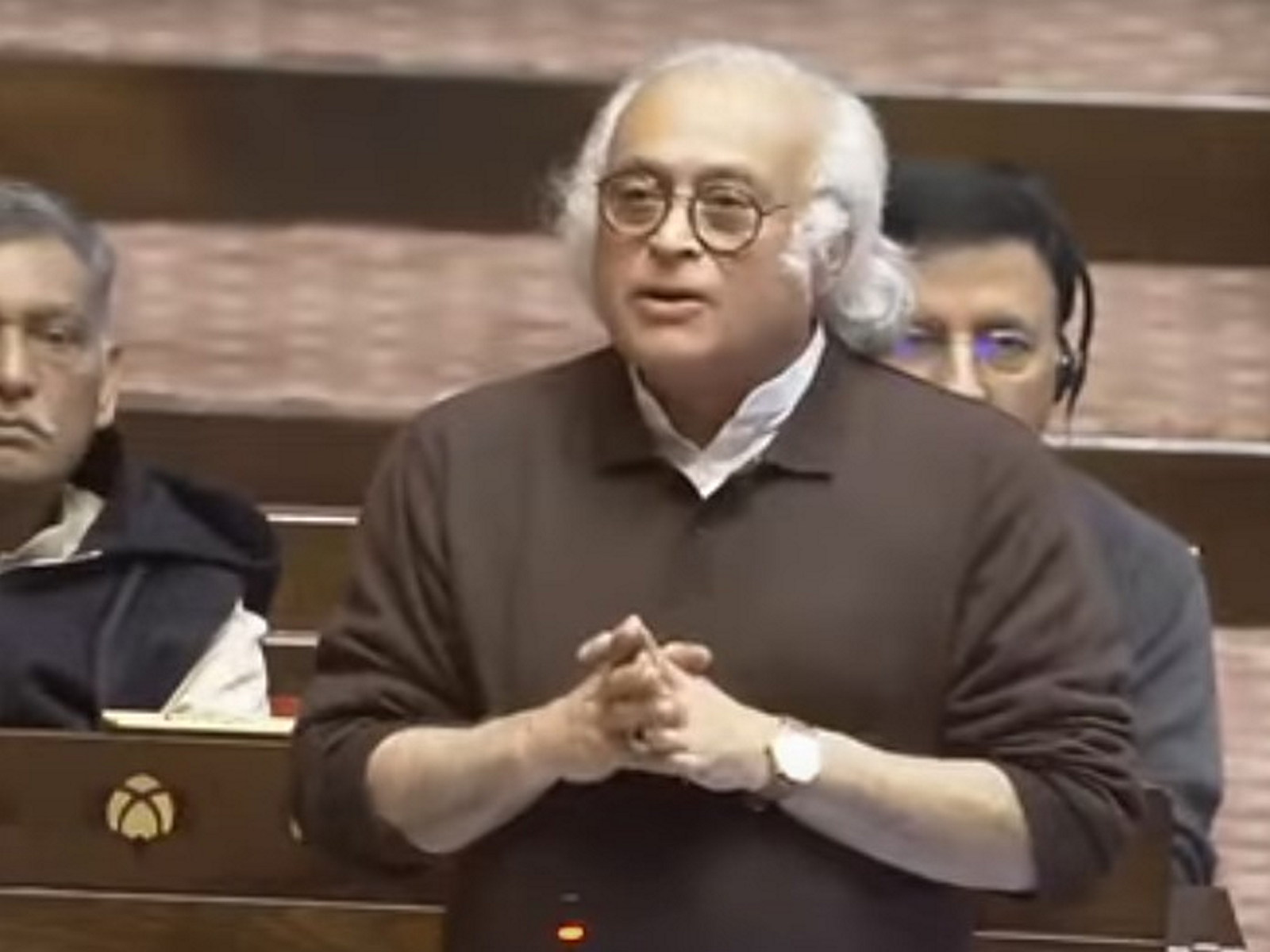
New Delhi [India], December 19 : Congress leader Jairam Ramesh on Thursday slammed the BJP-led government over provisions of the Sustainable Harnessing and Advancement of Nuclear Energy for Transforming India Bill, 2025, (SHANTI Bill), saying that the party was going against the stance of its own leaders Arun Jaitley and Jaswant Singh when the Civil Liability for Nuclear Damage Act, was enacted in 2010.
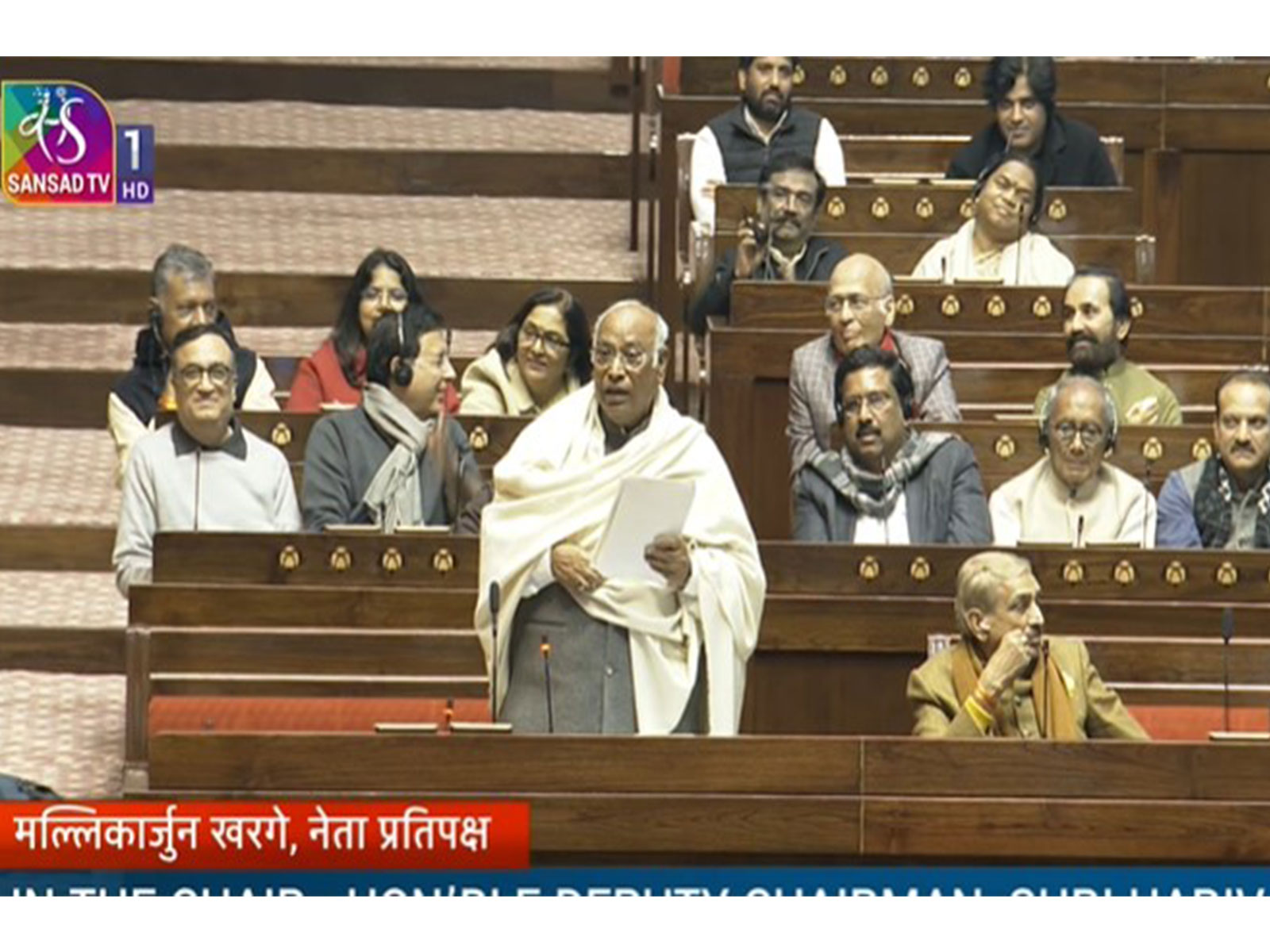
Participating in the debate on the SHANTI Bill in Rajya Sabha, he said Modi government was deft in coining acronyms, saying they appear to coin acronyms first and draft policies later.
"I have no objection to accepting that there is no match for the Modi government when it comes to finding acronyms, inventing family-related words, using them effectively, and giving colourful names to bills. They come up with an acronym first and then an Act, first an acronym and then a policy, and today we are seeing examples like first 'Shanti' and second 'G RAMG'," he said.
He detailed progress made in the atomic energy sector over the decades and said the Modi government wants people to believe that various initiatives started in 2014, when it came to power.
"I want to place three issues before the House. What is the history before 2014? Because we are repeatedly told that everything began only in 2014, especially the nuclear energy programme, the space program, and the various programs related to science and technology. We are given the impression that before 2014 there was no foundation at all, and that after 2014 a new revolution took place," Ramesh added.
The Congress leader accused BJP of forgetting real history and being always keen to rewrite its own version.
He said the first Atomic Energy Bill was passed on April 6, 1948, and the Atomic Energy Commission was established on August 15, 1948.
Jairam Ramesh said SHANTI Bill is opposite of what the BJP had stated when Civil Liability for Nuclear Damage Act, was enacted. He said the government had made another U-turn.
The Congress leader said India had vast resources of thorium and the government should heed to suggestions of eminent expert Anil Kakodkar.
He said that India has made a lot of progress in peaceful use of atomic energy and was operating nuclear reactors of various sizes.He said that Indian private players should be encouraged to capitalize and build on India's own strengths and not look towards foreign companies.
In his reply to the debate, Science and Technology Minister Jitendra Singh sought to allay the apprehensions of opposition members and said safety aspect has not been diluted.
The bill seeks to repeal the Atomic Energy Act, 1962 and the Civil Liability for Nuclear Damage Act, 2010.
Jitendra Singh said the new legislation is aligned to achieve the objectives of increasing the share of nuclear energy in the total energy mix of India, will facilitate innovation in atomic science and technology, expand its applications to non-power applications and continue to honour India's obligations towards safety, security, safeguards and towards nuclear liability.
India has set an ambitious target to achieve energy independence with a roadmap for decarbonisation of the economy by 2070 and to achieve 100 Giga Watt of nuclear power capacity by 2047.
The bill seeks to leverage the contribution of domestic nuclear energy to augment the global nuclear energy ecosystem.
Opposition members strongly demanded that the bill be referred to the standing or select committee, stating that it has wide-ranging implications and its impact will be felt for decades. They alleged that the government had diluted the liability clause and asked whether it was bringing the bill under any pressure. The amendments moved by the opposition members were negatived.
Jitendra Singh said that wide consultations were held before framing the bill.
"Jairam Ramesh ji started his intervention with a suggestion that when the rules are framed, the views of others and all stakeholders should be taken into consideration. I have no hesitation to say that the bill has taken one year or so, or more than that, with very serious and multiple considerations, consultations at different levels inter-ministerial levels, sectoral level--with industry leaders, scientific experts, business potential partners, and even the startups. So all sections of stakeholders have been involved, and the process is continuing because it is a new experience for us (government) also," he said.
The minister said the bill is a part of India's larger nuclear energy ecosystem which includes small modular reactors.